Li Bai's Hometown
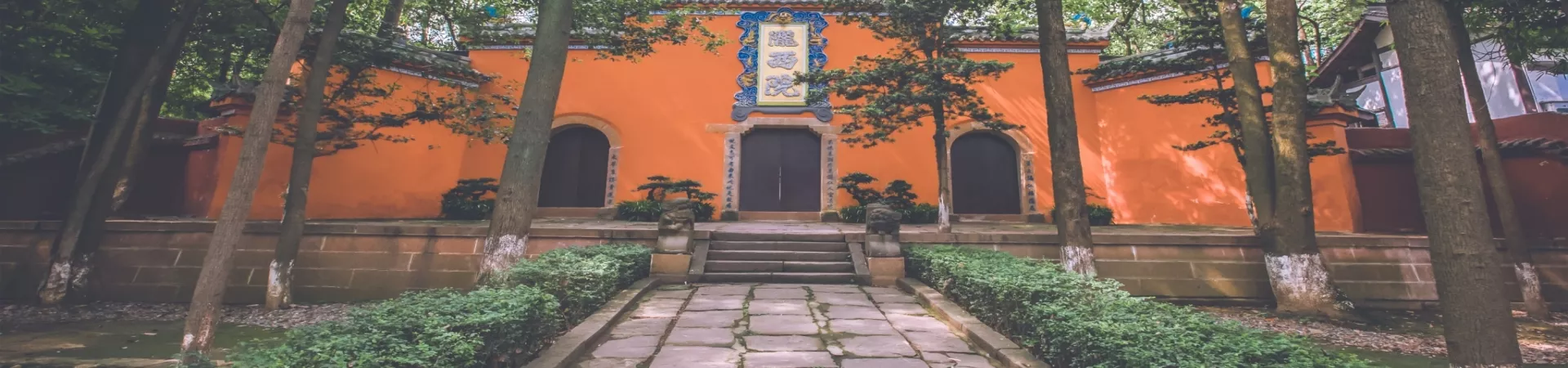
Subtitle: A Journey to the Poetic Heart of China: Exploring the Former Residence of Li Bai in Mianyang
Introduction: The Lure of a Literary Pilgrimage
Nestled near the scenic Douchui Mountain in Jiangyou City, Mianyang, Sichuan Province, lies a destination that resonates deeply within the soul of Chinese culture—the Former Residence of Li Bai, often reverently referred to by locals as Taibai Forest of Steles. This is not merely a tourist attraction; it is a pilgrimage site for anyone captivated by the rich tapestry of Chinese history, poetry, and art. It offers a tangible connection to Li Bai (also known as Li Po), arguably China's most celebrated and romantic poet from the Tang Dynasty, whose verses on nature, solitude, wine, and the divine continue to enchant readers worldwide. A visit here transcends sightseeing, inviting you to walk in the footsteps of a literary giant and immerse yourself in the landscape that inspired his timeless work.
Section 1: The Heart of the Complex: Taibai Forest of Steles
1.1. A Stone Library of Verse The centerpiece of the experience is the profound Taibai Forest of Steles. This extensive collection is far more than decorative landscaping; it is an open-air museum of classical literature. Hundreds of stone tablets are meticulously engraved with Li Bai's poetry, transforming written word into enduring art. Wandering through this forest of stone, visitors encounter not only his most famous works like "Quiet Night Thought" but also a wealth of lesser-known, obscure poems. This presents a unique opportunity for both casual admirers and serious scholars to delve deeper into his vast repertoire, discovering hidden gems and gaining a more nuanced understanding of his stylistic evolution and thematic breadth. The tactile and visual experience of reading poetry carved in stone adds a layer of solemnity and permanence to verses that have floated through Chinese culture for over a millennium.
1.2. Architecture and Sculptures: A Physical Narrative Complementing the steles are various traditional architectural structures and sculptures scattered throughout the grounds. These elements are carefully designed to reflect the aesthetic sensibilities of the Tang Dynasty and to illustrate scenes from Li Bai's life and poetry. Elegant pavilions, quiet corridors, and symbolic statues do not merely beautify the space; they serve as a physical narrative. They might depict the poet gazing at the moon, holding a wine cup in contemplation, or traveling the land, helping visitors visualize the man behind the legend. The harmonious integration of architecture with the natural surroundings of Jiangyou—hinting at the nearby mountains and rivers he loved—creates an environment that feels authentically connected to the source of his inspiration.
Section 2: The Li Bai Memorial Hall: Treasures of a Cultural Icon
2.1. A Curated Journey Through a Life To fully contextualize the poetry etched in stone, a visit to the on-site Li Bai Memorial Hall is essential. This museum serves as the definitive academic and cultural core of the site. Its exhibitions are dedicated to chronicling the poet's extraordinary life, from his legendary birth myths to his years of wandering, his service at the imperial court, and his enduring legacy. Through detailed biographical displays, historical timelines, and geographical maps tracing his travels, the hall provides a comprehensive framework for understanding the man, his times, and the personal experiences that fueled his creative genius.
2.2. Rare Artifacts and Priceless Manuscripts Beyond narrative, the Memorial Hall houses a precious collection of cultural relics. The most awe-inspiring items are the rare, authentic calligraphic works attributed to Li Bai himself. Viewing these original manuscripts—the very ink strokes flowing from his hand—is a profoundly moving experience, offering an intimate, direct link to the past. Additionally, the hall displays ancient editions of his poetry collections from various dynasties, scholarly commentaries, and related artifacts like period pottery, coins, and paintings that depict his life. These treasures, preserved with great care, transform abstract historical knowledge into concrete reality, making the Tang Dynasty and its greatest lyrical poet feel vividly present.
Section 3: Practical Information for Visitors
3.1. Admission and Operating Hours To plan an effective visit, note the following practical details. The attraction operates with seasonal hours. During the summer months (June 1 to August 31), the site is open from 08:30 to 18:00, with last admission at 18:00. In the winter season (December 1 to February 28 of the following year), hours are from 09:00 to 17:30, with last admission at 17:00. Admission is ticketed, with a standard adult ticket priced at 40 RMB. Concessionary rates are available, with children's tickets and senior citizen tickets typically priced at 20 RMB. It is always advisable to verify the latest pricing and any potential policy changes before your visit.
3.2. Planning Your Experience A typical visit to thoroughly explore the Forest of Steles, the architectural grounds, and the Memorial Hall requires approximately 1 to 3 hours. Visitors with a deep interest in poetry, calligraphy, or Tang Dynasty history may wish to allocate the full three hours or more to absorb the details leisurely. The site is suitable for visitors of all ages, offering both open spaces for reflection and indoor, educational exhibits. For inquiries, the site can be contacted at +86 816 3441887.
Section 4: The Enduring Significance of a Visit
4.1. More Than a Historical Site The Former Residence of Li Bai succeeds in being both an educational institution and a place of aesthetic and spiritual resonance. It functions as a crucial cultural repository, safeguarding the physical and literary heritage of a national icon. For students, it is an invaluable extension of the classroom; for international visitors, it is a compelling gateway into the depths of the Chinese poetic soul.
4.2. An Immersive Encounter with Inspiration Ultimately, the true value of a visit lies in the immersive encounter it facilitates. Standing before a stele carved with a poem about the moon, then viewing the poet's own calligraphy in the hall, and finally looking out towards the landscape of Sichuan that he immortalized, creates a powerful, multi-sensory understanding. It bridges the gap between the ancient and the modern, allowing the romantic spirit of Li Bai—his love for freedom, his awe of nature, and his profound humanity—to resonate with the contemporary traveler. This journey to his homeland is, in essence, an invitation to feel the enduring power of art and place, long after the visit concludes.