Huya Grand Canyon
Subtitle: A Journey into Sichuan's Raw and Untamed Splendor
I. Introduction: The Allure of the Untamed
Nestled deep within the mountainous heart of Pingwu County in Sichuan Province, China, lies a landscape that defies conventional expectation and whispers of the earth's primordial power. This is the Huya Grand Canyon (虎牙大峡谷), a destination not for the faint of heart but for the soul yearning for raw, unfiltered natural majesty. Far from the polished tourist circuits, Huya offers an experience defined by its dramatic topography, seasonal spectacles, and a profound sense of isolation. It is a realm where towering cliffs scrape the sky, waterfalls cascade with thunderous force, and in winter, the world transforms into a breathtaking gallery of blue ice. More than just a scenic spot, Huya Grand Canyon is an adventure into one of China's most formidable and captivating geological wonders.
II. The Canyon's Grandeur: A Landscape Sculpted by Time
A. A Tapestry of Geological Marvels The canyon itself is a masterpiece of erosion and tectonic force. Its defining characteristic is the staggering verticality of its walls—cliffs of sheer rock that rise hundreds of meters, creating a narrow, profound gorge that seems to split the mountains asunder. The terrain is rugged and demanding, a constant reminder of nature's untamed character. Visitors traverse paths that wind along the canyon floor, surrounded by the overwhelming scale of the stone giants that flank them.
B. The Symphony of Water: Waterfalls and Rapids Water is the lifeblood and the sculptor of Huya. Numerous waterfalls, ranging from delicate ribbons to powerful cascades, punctuate the canyon walls year-round. Their roar echoes through the gorge, a constant soundtrack to the journey. The most famous among them is perhaps the Huya Waterfall itself, a spectacular sight where water plunges into the depths with relentless energy. In the warmer months, these waterways are vibrant and full, feeding lush patches of vegetation that cling tenaciously to the rock faces.
III. Seasonal Transformations: The Ice Fantasy
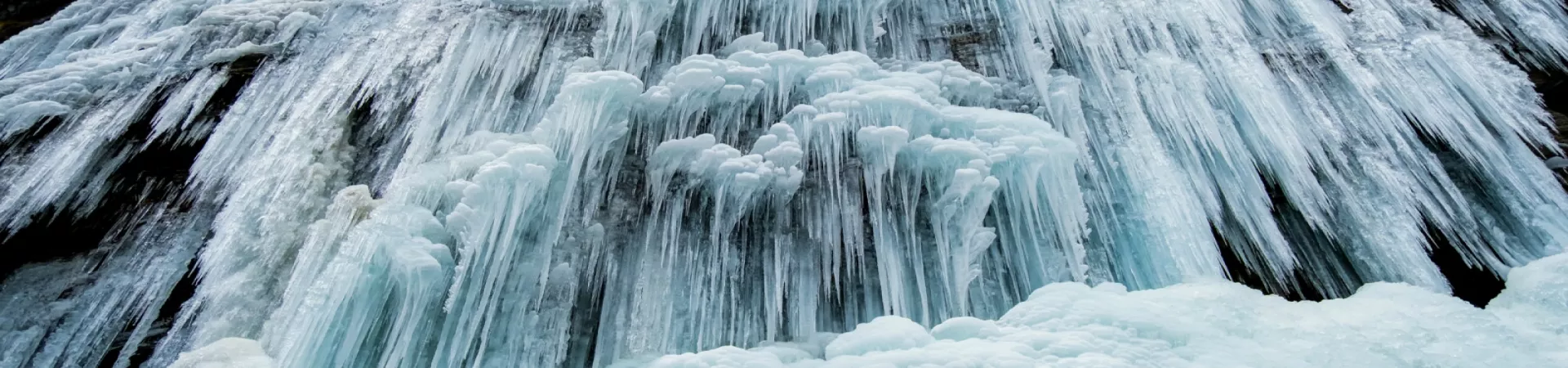
A. Winter's Crown Jewel: The Blue Ice Spectacle While impressive in any season, Huya Grand Canyon achieves a mythical status in the deep winter, typically from December through February. This is when the canyon undergoes a magical metamorphosis into one of China's most renowned ice and snow wonderlands. The myriad waterfalls freeze solid, creating colossal structures of blue ice that resemble frozen rivers suspended in mid-air. Stalactites of ice hang like crystal chandeliers, and the spray from partially frozen cascades coats everything in a glittering layer of frost.
B. Navigating the Frozen Realm Visiting during the ice season requires careful preparation. The trails can be slippery and hazardous, necessitating the use of crampons (ice cleats) and trekking poles for safety. The cold is penetrating, demanding layered, thermal clothing. However, the reward is an otherworldly landscape, a palette of brilliant whites and deep, translucent blues that offers unparalleled opportunities for photography and quiet contemplation of nature's silent, frozen artistry.
IV. Practical Information for the Journey
A. Accessibility and Location Huya Grand Canyon is located in Pingwu County, Mianyang City, Sichuan Province. Its remoteness is part of its charm. The final approach involves travel on rural roads, and access to the canyon's starting point often requires a local vehicle or a determined hike. It is advisable to research current road conditions and transportation options from Mianyang or nearby towns like Pingwu before departure.
B. Visitor Essentials * Admission & Hours: The canyon area is generally free to enter and open for exploration 24 hours a day, throughout the year. However, practical access is dictated by daylight and weather conditions. * Recommended Duration: A thorough exploration demands a minimum of 3 to 4 hours, but many visitors, especially photographers and hiking enthusiasts, will dedicate a full day to fully immerse themselves in the environment. * Critical Considerations: This is not a developed tourist park. Facilities are extremely basic or non-existent. Visitors must be self-sufficient, carrying all necessary water, food, and supplies. Cellular service can be unreliable within the canyon. Traveling with a companion or informing someone of your itinerary is strongly recommended due to the rugged and isolated nature of the terrain. * Contact: For the very latest local conditions, inquiries can be made via phone (e.g., +86 15228426754), though English proficiency cannot be guaranteed.
V. The Responsible Explorer's Ethos
A journey to Huya Grand Canyon carries a responsibility. As a fragile ecosystem with minimal management, it is imperative for every visitor to practice strict "Leave No Trace" principles. All waste must be carried out. The natural structures, particularly the winter ice formations, should be admired without touch or climb unless properly equipped and guided, to ensure their preservation and the safety of future visitors. Respecting the power of the environment—from sudden weather changes to river levels—is paramount for a safe and sustainable experience.
Ultimately, Huya Grand Canyon does not offer comfort or convenience; it offers authenticity and awe. It stands as a powerful testament to the wild beauty of Sichuan's landscape, promising an unforgettable encounter for those prepared to meet its challenges. It is a place where the raw force of the planet is on magnificent display, waiting to humble and inspire the intrepid traveler.