Fule Mountain
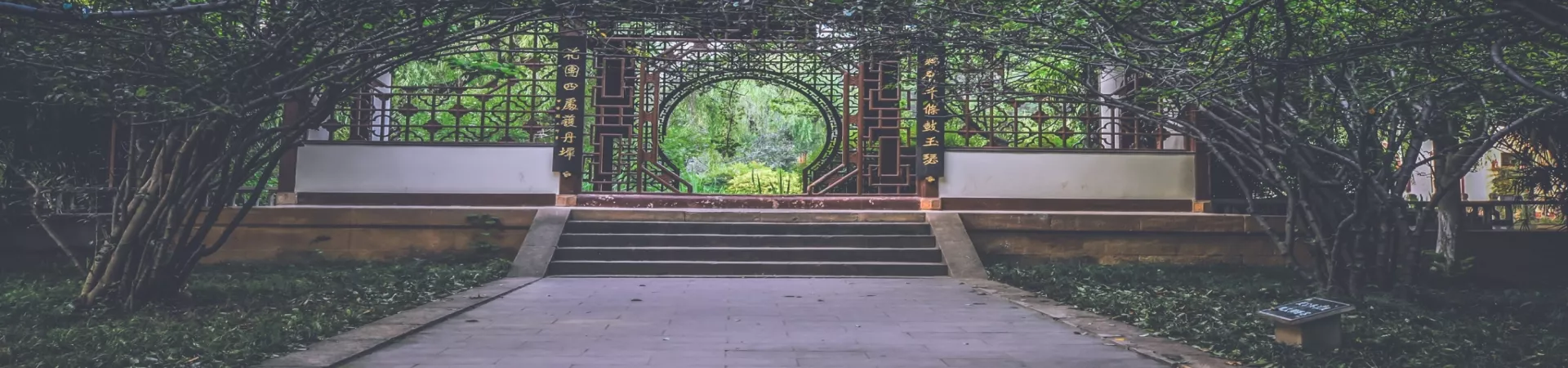
Fule Mountain, Mianyang: A Tapestry of History, Nature, and Tranquility
Nestled in the heart of Mianyang City, Sichuan Province, Fule Mountain (富乐山) stands not merely as a scenic park but as a profound cultural landmark where the echoes of a storied past harmonize with serene natural beauty. Its very name, "Fule," translating to "Rich in Happiness," perfectly encapsulates the experience it offers to every visitor—a rich tapestry woven from historical significance, lush landscapes, and a palpable sense of peace.
A Portal to the Three Kingdoms Era
The mountain's enduring fame is inextricably linked to one of China's most celebrated historical periods: the Three Kingdoms (220-280 AD). It was here, in the year 211 AD, that a pivotal meeting took place between two legendary figures, Liu Bei and Liu Zhang. Historical records, most notably from the Records of the Three Kingdoms, describe a lavish banquet held on the mountain. During this gathering, Liu Bei, gazing upon the fertile plains and strategic landscape of Yizhou (the ancient name for the region), is said to have exclaimed with great satisfaction about the "wealth and happiness" the land promised. This momentous event, forever etching the mountain's name in history, marked a crucial step in Liu Bei's campaign to establish the Shu Han kingdom.
This deep historical connection is not just a tale of the past; it is physically woven into the mountain's fabric. As you explore, you will encounter numerous sites and structures that pay homage to this era:
- Fule Temple (富乐寺): The spiritual and historical core of the mountain, this temple complex is dedicated to commemorating the meeting of the two Lius. Its halls and courtyards invite quiet reflection on the ambitions and strategies of ancient heroes.
- The Three Kingdoms Sculpture Gallery and Monuments: Scattered along the paths, intricate stone carvings and steles depict famous scenes and personalities from the Romance of the Three Kingdoms, bringing the epic's drama to life.
- Eryou Pavilion (二友阁) and Other Historical Pavilions: These elegantly named pavilions, often perched on scenic overlooks, serve as perfect spots to rest and imagine the strategic discussions and poetic exchanges that might have occurred in such settings centuries ago.
A Verdant Sanctuary of Landscaped Beauty
Beyond its historical weight, Fule Mountain is a masterpiece of classical Chinese garden design and natural splendor. The park is a meticulously curated environment where every turn reveals a new vista, blending artificial artistry with organic beauty.
- The Art of Garden Design: The landscape employs classic techniques such as "borrowing scenery" (借景), framing distant city views or neighboring hills within the arches of pavilions. Serpentine paths encourage leisurely strolls, leading visitors through a sequence of carefully composed scenes—from intimate courtyards with scholar's rocks to open lawns bordered by weeping willows.
- Floral Spectacles and Botanical Diversity: The mountain is a year-round botanical delight. In spring, the Fule Mountain Peony Garden erupts in a breathtaking display of color, with thousands of peonies, the traditional symbol of wealth and honor, in full bloom. Other seasons offer their own charms: fragrant osmanthus in autumn, the stark beauty of plum blossoms in winter, and the lush canopy of ancient cypress and pine trees providing shade throughout the year.
- Tranquil Water Features: Calm lakes and ponds, like the mirror-like Fule Lake, double the beauty of the surrounding pavilions and trees with their reflections. These water bodies are often crossed by elegant zigzag bridges (九曲桥), a design element meant to ward off evil spirits while offering a prolonged, contemplative journey across the surface.
A Practical Guide for Your Visit
To ensure a seamless and enriching experience at Fule Mountain, here is the essential practical information for planning your trip.
Admission and Operating Hours: One of the most appealing aspects of Fule Mountain is its accessibility. The park is open to the public free of charge, making it a perfect destination for all. It welcomes visitors daily from 7:00 AM to 5:00 PM, with the last admission granted at 4:30 PM. This schedule is consistent throughout the year, from January 1st to December 31st.
Navigating the Park: The mountain features a well-maintained network of walking trails and stone steps suitable for most fitness levels. For those who prefer a less strenuous route, paved paths circle many of the key lower-altitude attractions. Allowing 2 to 4 hours for your visit is recommended to fully appreciate the historical sites, gardens, and panoramic viewpoints without haste.
Enhancing Your Experience:
- Best Time to Visit: Early morning is ideal to enjoy the misty atmosphere and the company of locals practicing Tai Chi. The golden hours before closing also offer beautiful light for photography.
- Local Context: Combining a trip to Fule Mountain with a visit to the nearby Mianyang Museum can provide deeper insight into the region's long history, from the Three Kingdoms to modern times as a key science and technology hub.
- Contact Information: For any specific inquiries prior to your visit, you may contact the park administration at 0816-2284137.
Fule Mountain is more than just a city park; it is a living chronicle where history is remembered in tranquil temples, poetry is inspired by panoramic views, and happiness is found in a quiet moment beside a blooming peony. It offers a essential and rewarding escape into the cultural and natural soul of Mianyang.