Foye Cave
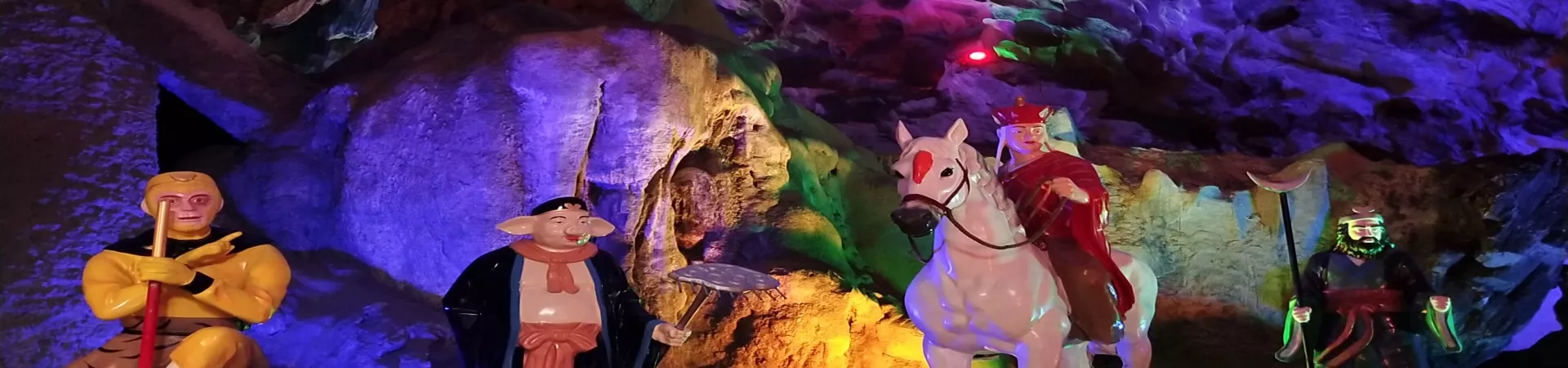
Subtitle: A Journey into the Subterranean Wonder of Northwest Sichuan
1. Introduction to Foyedong (Buddha Master Cave)
Nestled within the town of Dakang, in Jiangyou City, Sichuan Province—a place famously known as the hometown of the legendary Tang Dynasty poet, Li Bai—lies Foyedong, or the Buddha Master Cave. This magnificent site stands as the largest karst cave in the mysterious and geographically dramatic northwest region of Sichuan. Its name originates from a remarkable discovery made during the Republican Era of China (1912-1949): a naturally formed stalactite resembling a Buddha statue, over three meters in height, was found within its underground river. This serendipitous find bestowed upon the cave its present name and an aura of sacred serenity. The cave complex is not merely a geological spectacle; it is a holistic natural sanctuary where grand caverns, subterranean rivers, crystal-clear streams cutting through deep gorges, lush meadow forests, and sprawling fields of stone steles converge to create a landscape of breathtaking diversity. Furthermore, the area is imbued with a rich tapestry of local folklore and legends, adding profound layers of cultural mystique and historical imagination to its already stunning physical presence.
2. The Core Attractions and Landscape
2.1. The Grand Karst Cave System The heart of Foyedong is its extensive labyrinth of karst chambers and passages. Formed over millions of years by the slow dissolution of limestone by acidic water, the cave features an awe-inspiring array of speleothems. Visitors are greeted by a fantastical world of stalactites hanging from the ceilings like stone chandeliers, stalagmites rising from the floors in majestic pillars, stone curtains flowing in frozen waves, and helictites twisting in seemingly impossible directions. The play of carefully placed lighting illuminates the intricate shapes and textures, often suggesting forms of mythical creatures, palaces, and flora, sparking the imagination. The discovery of the natural Buddha statue remains a central highlight, serving as a spiritual focal point within the vast underground expanse.
2.2. The Underground River and Boat Ride A defining and unforgettable experience at Foyedong is the journey along its subterranean river. This is not just a static feature but an integral part of the exploration. The ticket includes a boat ride that allows visitors to glide through illuminated water-filled caverns. The tranquil, dark waters reflect the spectacular formations above, creating a mesmerizing, dreamlike atmosphere. The gentle sound of dripping water and the boat's quiet movement enhance the sense of venturing into a hidden, primordial world. This boat trip seamlessly connects different sections of the cave, offering unique vantage points impossible to achieve on foot.
2.3. Surface Landscapes: Gorges, Forests, and Stone Seas Emerging from the underground realm, the scenic area continues to impress with its diverse surface topography. A clear mountain stream, often fed by the same waters that carved the cave, winds through a deep and serene gorge, its banks lined with verdant vegetation. Contrasting with the watery gorge are areas of "stone forests" or "stone seas"—expansive spreads of rugged karst rocks and boulders sculpted by surface erosion, creating a stark, moon-like landscape. Patches of grassland and mixed forests provide shaded, peaceful spots for rest and contemplation, completing a natural cycle from the depths of the earth to its sun-dressed surface.
3. Practical Visitor Information
3.1. Ticket Details and Fees * Standard Ticket: The admission ticket is priced at 70 RMB per person. It is important to note that this fee is inclusive of the essential underground boat ride, which is a core component of the tour. * Exemption Policy: Children with a height under 1.2 meters are eligible for free admission. * Important Note: The aforementioned pricing and policy information is intended as a reference. As operational details are subject to change, it is highly recommended that visitors verify the latest information directly with the scenic area on the day of their intended visit.
3.2. Opening Hours and Best Time to Visit The operating hours of Foyedong vary slightly according to the season: * Peak Season (June 1st - August 31st): The site is open from 09:00 to 17:30 daily, with the last admission at 17:30. * Off-Peak Season (December 1st - February 28th/29th of the following year): Hours are from 09:00 to 17:00 daily, with the last admission at 17:00. The cave maintains a cool temperature year-round, making it a refreshing retreat in the summer. The surface areas are particularly beautiful with lush greenery during late spring, summer, and early autumn.
3.3. Suggested Duration and Planning A comprehensive visit to Foyedong, allowing time to appreciate both the cave interiors and the external landscapes at a comfortable pace, typically requires a minimum of 3 hours. Visitors should allocate sufficient time for queuing, especially for the boat ride during weekends and public holidays. Comfortable, non-slip walking shoes are essential due to potentially damp and uneven surfaces inside the cave. A light jacket is also advisable given the lower underground temperatures.
4. Cultural Context and Location
4.1. Connection to Li Bai's Homeland The location of Foyedong adds significant cultural depth to a visit. Jiangyou City is celebrated as the hometown of Li Bai, one of China's most revered poets from the Tang Dynasty, known for his romantic and often nature-inspired verse. The dramatic and inspiring landscapes of the region, including sites like Foyedong, are often considered the kind of majestic natural scenery that fueled his artistic genius. A trip to the cave can thus be part of a broader cultural pilgrimage exploring the environment that shaped a literary legend.
4.2. The Role of Local Folklore Beyond its geological wonders, Foyedong is enriched by a wealth of local folk tales and legends. These stories, passed down through generations, often personify the strange rock formations, attribute divine origins to the cave, or tell tales of hidden treasures and ancient heroes. These narratives are actively shared by local guides and informational plaques, transforming a simple tour into an engaging journey through local tradition and collective imagination, giving soul to the stone.
Information last updated: September 28, 2023. Credit and thanks to contributing editors Prkgy, Wo Shi Wo, and Miss Qu for their input.