Beichuan Old County Earthquake Site
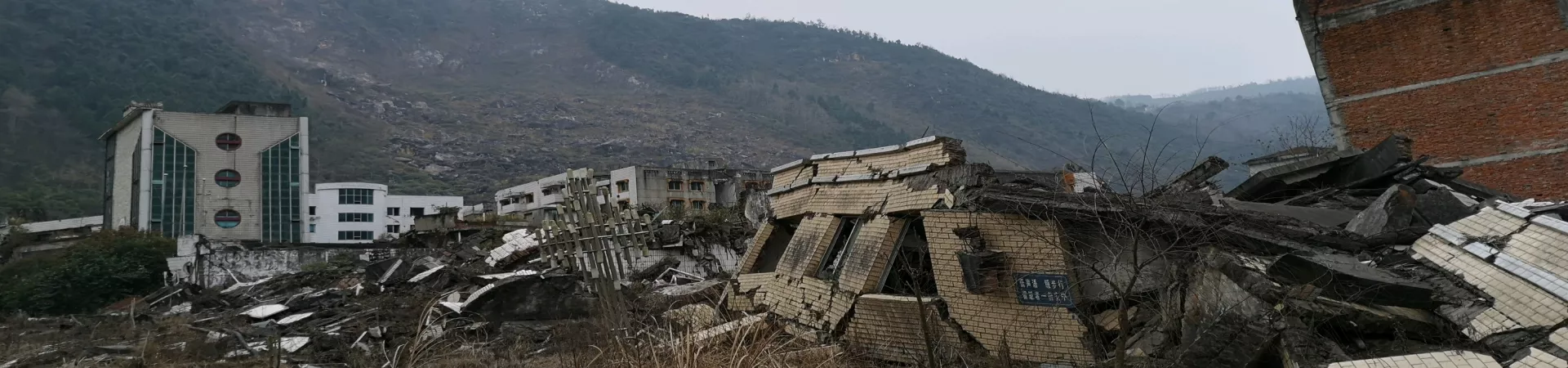
Subtitle: A Solemn Journey: Remembering the 2008 Earthquake at the Old Beichuan County Seismic Memorial
Introduction
Nestled in the mountainous terrain of northern Sichuan Province, the Old Beichuan County Town Seismic Site stands as one of the most profound and poignant memorials to the catastrophic Wenchuan Earthquake of May 12, 2008. Preserved almost exactly as it was in the immediate aftermath of the disaster, the site is not a traditional tourist attraction but a hallowed ground for remembrance, education, and quiet reflection. A visit here is a deeply moving experience, offering a visceral understanding of the earthquake's immense power and the profound loss it incurred, while also silently honoring the resilience of the human spirit. This guide provides essential information and contextual understanding for visitors preparing for this significant journey.
1. Understanding the Site: More Than Ruins
1.1. Historical Context: The Wenchuan Earthquake To fully comprehend the site, one must understand the event that created it. On May 12, 2008, at 2:28 PM, a magnitude 8.0 earthquake struck Wenchuan County, with its epicenter located approximately 80 kilometers from Beichuan. The tremors were felt across much of China and parts of Southeast Asia. Old Beichuan County Town, situated in a deep valley, suffered some of the most concentrated devastation. Landslides triggered by the quake buried large sections of the town, and the subsequent formation of a massive "quake lake" (Tangjiashan Barrier Lake) upstream threatened further destruction. The scale of the tragedy was immense, leading to the decision to preserve the ruins as a memorial and to relocate the county's administrative center to a new, safer location.
1.2. The Decision to Preserve In a rare and powerful act of commemoration, Chinese authorities, with input from survivors and experts, decided to conserve the devastated old town in situ. Rather than clearing the rubble for reconstruction, they stabilized the ruins to prevent further collapse, creating a vast open-air museum and a permanent mass grave for the thousands who perished. This decision transforms the site from a scene of tragedy into a sacred space for collective memory, serving as a stark reminder of nature's force and a solemn tribute to the victims.
2. Practical Information for Visitors
2.1. Location and Access The Old Beichuan County Town Seismic Site is located in the former Beichuan Qiang Autonomous County, now under the administration of Mianyang City, Sichuan Province. It is approximately 130 kilometers north of central Mianyang. The most common way to visit is by joining a guided tour from Mianyang or Chengdu, which includes transportation. Independent travelers can take a long-distance bus from Mianyang to the new Beichuan county town and then transfer to a local shuttle or taxi to the memorial site. The journey involves traveling through mountainous terrain, much of which was rebuilt after the earthquake.
2.2. Admission and Opening Hours * Admission Fee: There is no admission fee to enter the Old Beichuan Seismic Site. It is open to the public as a memorial park. * Opening Hours: The site is open 24 hours a day, every day of the year. However, practical visiting is generally confined to daylight hours for reasons of safety and visibility. The atmosphere at different times of day varies significantly; mornings are often quiet and misty, while afternoons provide clearer views of the vast scale of the ruins.
2.3. Suggested Duration and Best Time to Visit * Suggested Duration: A meaningful visit typically requires 1 to 3 hours. This allows sufficient time to walk along the designated pathways, observe the ruins from various viewpoints, visit the memorial monuments, and process the emotional weight of the environment. Rushing through is discouraged. * Best Time to Visit: Spring (April-May) and Autumn (September-October) offer the most temperate weather. Visiting on or around May 12th, the anniversary of the earthquake, is particularly solemn, with many survivors and relatives coming to pay their respects, but it can also be exceptionally crowded.
3. Navigating the Site: A Guided Path of Reflection
3.1. The Designated Route and Key Viewpoints Visitors are required to follow a fixed, one-way route consisting of elevated walkways and platforms. This is for both safety—as the ruins below are unstable—and to ensure a respectful flow. The path is designed to lead you through a narrative of the town's former life and sudden destruction. * The Entrance and Overview Platform: The visit begins with a panoramic view of the entire valley, a shocking vista of collapsed buildings swallowed by landslides. Informational plaques provide maps and context. * The Remains of Key Buildings: The walkway passes by the shattered shells of significant structures, such as the Beichuan Middle School, the county hospital, and government offices. Each stop is a silent story of interrupted lives. * The Memorial Monument and Bell: A central monument, often adorned with flowers and wreaths, provides a focal point for mourning. A memorial bell stands nearby, which visitors may ring softly in tribute. * The "Wishing Wall": In some areas, visitors can see walls or rails where people have tied ribbons or left written messages of grief, hope, and remembrance for lost family members.
3.2. Etiquette and Conduct This is foremost a place of mourning and respect. Appropriate conduct is essential. * Solemnity: Maintain a quiet and respectful demeanor. Loud conversations, laughter, or inappropriate photography are strongly discouraged. * Photography: Photography is generally permitted for personal remembrance, but it should be done discreetly. Avoid posing or smiling prominently in front of the ruins. Using drones is typically prohibited. * Following Rules: Stay strictly on the marked pathways. Do not attempt to climb on or enter any ruins.
4. Reflecting on the Experience
4.1. The Emotional Impact A visit to Beichuan is emotionally demanding. The sight of children's backpacks, household items, and personal effects still visible in the rubble personalizes the scale of the loss. Visitors often report feelings of profound sadness, humility, and a heightened awareness of life's fragility. It is a place that encourages silent contemplation.
4.2. Educational Significance Beyond emotion, the site serves a critical educational purpose. It stands as a powerful case study in seismic geology, disaster response, and urban planning. Exhibits and signs explain the science of the earthquake, the heroic efforts of rescue workers, and the lessons learned that have influenced China's building codes and emergency preparedness systems. It underscores the importance of disaster resilience and remembrance.
4.3. Connecting with the Community The story of Beichuan is not only one of destruction but also of survival and rebirth. The nearby new Beichuan county town, rebuilt with aid from across China, showcases the remarkable recovery of the Qiang and Han communities. Supporting local businesses by purchasing handicrafts or dining in the new town is a way to contribute positively to the ongoing revival of the region. The journey, therefore, becomes a full circle—from acknowledging profound loss to witnessing enduring hope.
Contact Information: * For general inquiries: 0816-4893333 (Please note that this is a general contact line for the memorial management; English-speaking staff may not always be available).