Jiahu Site
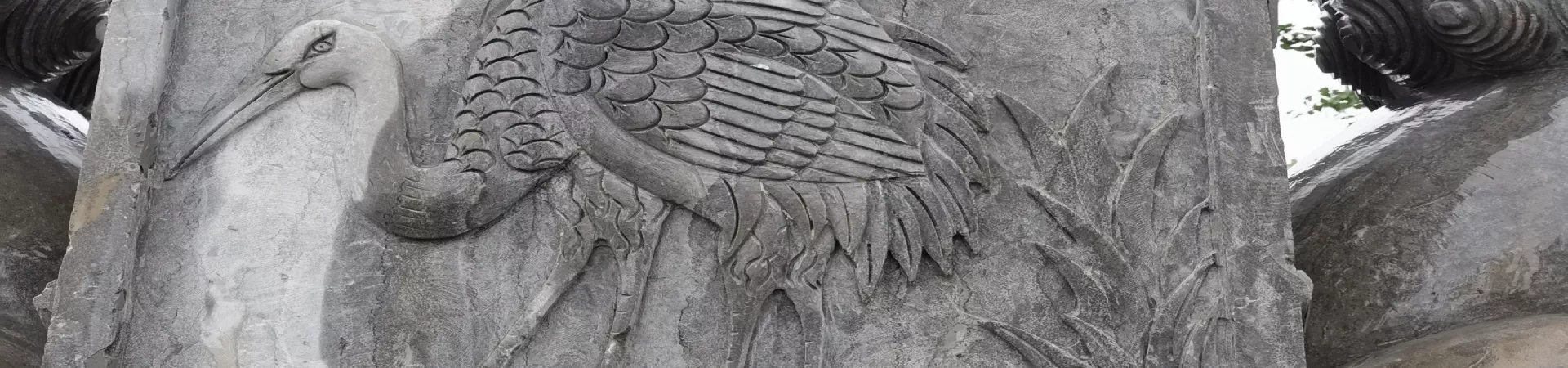
Subtitle: Unearthing the Dawn of Chinese Civilization: A Journey to the Jiahu Archaeological Site
Introduction: A Portal to the Neolithic Age
Nestled near the modern village of Jiahu in the city of Luohe, Henan Province, lies an archaeological treasure that has fundamentally reshaped our understanding of early Chinese culture. The Jiahu Site, dating back approximately 7,500 to 9,000 years, represents a critical chapter in the Peiligang culture, one of China's earliest Neolithic societies. For the discerning visitor, a trip to Jiahu is not merely a tour of ancient ruins; it is an immersive voyage into the very origins of settled life, ritual, art, and innovation in East Asia. The site's remarkable preservation and the profound significance of its discoveries offer a uniquely tangible connection to a distant past that continues to echo in the present.
1. The Discovery and Chronological Significance
The significance of Jiahu was unlocked through a series of systematic excavations beginning in the 1980s. Archaeologists have stratified the site into three distinct phases, spanning over 1,500 years of continuous habitation. This detailed chronology provides an unprecedented window into the evolution of a early Neolithic community, from its formation to its peak and eventual transition. The longevity and layered history of Jiahu make it an exceptional laboratory for studying the development of technology, social structure, and spiritual life during a pivotal era when hunter-gatherers were firmly transitioning to an agricultural lifestyle.
2. Monumental Discoveries: Rewriting History
The artifacts unearthed at Jiahu are nothing short of revolutionary, each category shedding light on the sophistication of its inhabitants.
2.1. The World's Earliest Fermented Beverage Chemical analysis of residues found on pottery jars has revealed a startling fact: the people of Jiahu were brewing a fermented beverage from rice, honey, and hawthorn fruit as early as 7,000 BC. This discovery, predating previously known evidence of fermentation by over a millennium, positions Jiahu at the forefront of ancient biochemical innovation and ritual practice.
2.2. The Origins of Chinese Music: The Bone Flutes Perhaps the most captivating finds are a collection of flutes crafted from the wing bones of red-crowned cranes. Several of these flutes, notably a remarkably preserved seven-hole flute, remain playable today. They represent the oldest known, still-playable musical instruments in the world, capable of producing a complete seven-tone scale. These flutes are not just tools; they are profound testaments to the human desire for artistic expression and communal ritual, suggesting complex ceremonial life.
2.3. Early Script: The Tortoise Shell Symbols Inscribed symbols found on tortoise shells and bone artifacts have ignited intense scholarly debate. While not a fully developed writing system, these meticulously carved markings exhibit consistent forms and are believed by many researchers to be a precursor to the oracle bone inscriptions of the Shang Dynasty. They potentially represent an early form of proto-writing used for divination or record-keeping, pushing back the timeline for the conceptual origins of Chinese script by thousands of years.
2.4. Foundations of Agriculture and Animal Domestication The Jiahu people were pioneering agriculturists. Evidence shows they cultivated domesticated rice, one of the earliest instances in northern China, alongside millet. They also raised pigs, dogs, and poultry, indicating a stable, mixed farming economy. This self-sufficient base was the engine for their cultural achievements.
3. Life and Society at Neolithic Jiahu
Beyond the headline-grabbing artifacts, the site reveals intimate details of daily life. Excavations of semi-subterranean house foundations, storage pits, pottery kilns, and burial grounds paint a picture of a well-organized, sedentary village. The craftsmanship of their stone tools, pottery vessels, and bone needles speaks to a high degree of specialization and skill. Burial practices, which included grave goods like tools, pottery, and tortoise shells, suggest beliefs in an afterlife and possible social stratification.
4. Visiting the Jiahu Site: A Modern Experience
Today, the importance of Jiahu is commemorated and made accessible to the public. The on-site Jiahu Archaeological Site Museum is an essential first stop. Its modern exhibits thoughtfully display key artifacts, including replicas of the flutes and tortoise shells, accompanied by detailed explanations in both Chinese and English. Interactive displays and dioramas vividly reconstruct the Neolithic environment and village life. While the actual excavation areas are protected, designated viewing platforms and informative signage around the grounds allow visitors to contemplate the landscape where these discoveries were made, connecting the serene present with the vibrant past.
5. The Enduring Legacy
The legacy of Jiahu transcends archaeology. It stands as a powerful symbol of cultural origins. The site demonstrates that the foundations of what we recognize as Chinese civilization—agricultural self-sufficiency, ritual practice, artistic pursuit (music), and the seeds of written communication—were already being laid deep in the Neolithic period along the banks of the Huai River tributaries. For any visitor with an interest in history, anthropology, or the roots of human creativity, Jiahu offers a profound and humbling experience. It is a place where one can stand and listen, almost hearing the faint, ancient notes of a crane-bone flute on the wind, a timeless melody from the dawn of time.