Sanlian Cave Ice Spring Scenic Area
Subtitle: A Comprehensive Guide to Planning Your Visit
1. Introduction to Sanliandong Ice Spring Scenic Area Nestled in the heart of China's Hunan province, within the prefecture-level city of Loudi, lies the Sanliandong Ice Spring Scenic Area. This destination is a captivating blend of natural wonder, geological intrigue, and cultural charm. While the name "Ice Spring" hints at its core attraction—perennially cool springs emanating from deep within the karst landscape—the area offers a far richer tapestry of experiences. Visitors are treated to lush forest trails, mysterious caves, unique rock formations, and a profound sense of tranquility away from urban bustle. This guide synthesizes essential information to help you plan an efficient and enjoyable visit, focusing on practical details like operating hours and seasonal considerations to enhance your journey into this serene natural retreat.
2. Practical Information for Visitors A smooth trip begins with solid planning. Understanding the logistical details of the Sanliandong Ice Spring Scenic Area is crucial for a hassle-free experience. The most critical operational aspects, notably the varying opening hours, are designed for both visitor safety and the optimal enjoyment of the natural environment. The climate in this region of Hunan features distinct seasons, with hot, humid summers and cool, damp winters, which directly influences the park's schedule. The management adjusts access times to ensure guests can explore comfortably during daylight and suitable weather conditions. It is highly recommended that visitors confirm these details close to their travel date, as adjustments can occasionally occur due to weather events or maintenance. Furthermore, the last admission time is strictly enforced to guarantee all guests have sufficient time to exit the premises safely before dusk, making punctuality a key part of your visit planning.
2.1. Detailed Opening Hours and Admission The scenic area operates on a dual-season schedule, shifting between standard and extended hours. Adherence to the "last admission" time is imperative, as gates will close to new entrants promptly at these times.
2.1.1. Winter Operation Period (December 1st - February 28th/29th): During the cooler months, the park operates on a slightly condensed schedule. The opening hours are from 09:00 to 17:30. To ensure a complete and safe visit, the last admission is strictly at 15:00. This two-and-a-half-hour window between last entry and park closure allows visitors adequate time to experience the core attractions without feeling rushed, while also ensuring everyone can conclude their hike and return to the entrance before the early winter sunset.
2.1.2. Summer Operation Period (June 1st - August 31st): To accommodate longer daylight hours and increased visitor traffic during the summer season, the scenic area extends its operations. The park opens earlier and closes later, with hours from 08:30 to 18:00. During this period, the last admission time is 16:30. This extension provides more flexibility for planning, especially for those who wish to start their day early to avoid the midday heat or to enjoy the softer light of the late afternoon amidst the forests and springs.
2.2. Seasonal Considerations and Best Times to Visit The experience at Sanliandong varies beautifully with the seasons, each offering a unique perspective on the landscape.
2.2.1. Spring (March - May): This is a season of rejuvenation. The forests are vibrant with new foliage, wildflowers bloom along the paths, and the ice springs are complemented by the sound of trickling meltwater. Temperatures are mild and pleasant for hiking.
2.2.2. Summer (June - August): While warmer and more humid, summer provides the lushest, greenest scenery. The dense canopy offers shade on trails, and the cool mist from the ice springs provides a natural respite from the heat. The extended park hours are a significant advantage. Be prepared for occasional afternoon thunderstorms.
2.2.3. Autumn (September - November): Often considered the prime time for visiting, autumn features clear, crisp air, comfortable temperatures, and stunning displays of autumnal colors in the surrounding hills. The visibility is excellent, making it perfect for photography.
2.2.4. Winter (December - February): Winter brings a stark, quiet beauty to the area. The "ice" in Ice Spring feels more thematic, and the crowds are thinner. The bare trees offer different views of the rock formations. It is essential to dress warmly in layers, as the trails and cave areas can be damp and chilly.
3. Exploring the Natural and Scenic Highlights Beyond the practicalities, the soul of the visit lies in the landscape itself. The scenic area is a geologist's playground and a nature lover's sanctuary.
3.1. The Ice Springs: Core Geological Marvels The namesake springs are the cornerstone of the park's appeal. These are not frozen springs, but rather perennial cold-water springs that maintain a low, refreshing temperature year-round. They originate from deep underground aquifers filtered through limestone karst, emerging exceptionally clear and pure. The areas around these springs are often the coolest spots in the park, with a palpable chill in the air. Visitors can observe the springs' outlets, often surrounded by moss-covered rocks, and listen to the gentle, constant flow of water—a profoundly calming experience.
3.2. Karst Landforms and Cave Systems The "Sanliandong" (Three Connected Caves) part of the name points to another major attraction: the intricate karst topography. The region features fascinating cave systems, sculpted over millennia by water erosion. Exploring these caves (where accessible and safe) reveals spectacular stalactites, stalagmites, and unique underground chambers. The interplay of light and shadow within, combined with the constant drip of water, creates an almost otherworldly atmosphere. Always follow marked paths and safety guidelines when exploring these geological wonders.
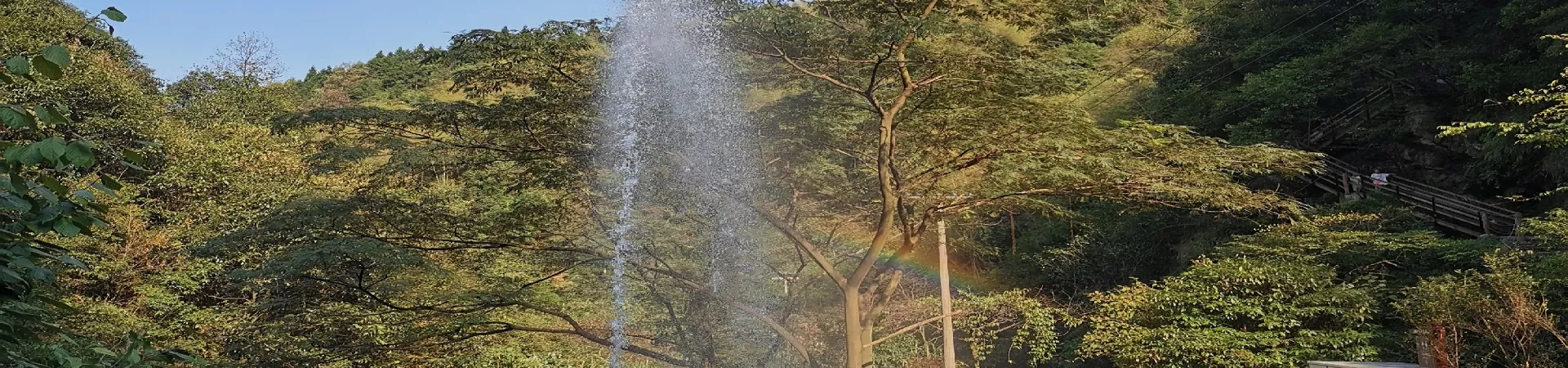
3.3. Forest Trails and Biodiversity A network of well-maintained trails winds through subtropical evergreen forests, connecting the various points of interest. Hiking these paths is an integral part of the experience. The ecosystem is rich with biodiversity; keen observers might spot various bird species, butterflies, and diverse plant life, including ferns, mosses, and ancient trees. The trails offer varying difficulty levels, from gentle walks to more strenuous climbs, leading to viewpoints that offer panoramic vistas of the surrounding verdant hills and valleys.
4. Visitor Tips and Recommendations To maximize your enjoyment, a few additional pieces of advice are invaluable. Firstly, wear sturdy, comfortable walking shoes with good grip, as trails can be uneven, slippery, or steep in sections. Secondly, carry sufficient water and some snacks, though be mindful to take all trash with you to preserve the park's pristine environment. Thirdly, if visiting in summer, insect repellent is advisable. Photography enthusiasts should note that the light within forested areas and caves can be challenging; a camera capable of handling low-light conditions is beneficial. Finally, while the area is generally safe, it is always prudent to stay on designated trails, heed all warning signs, and be aware of changing weather conditions, especially during the summer thunderstorm season.