Purple Magpie Terraced Field Scenic Area
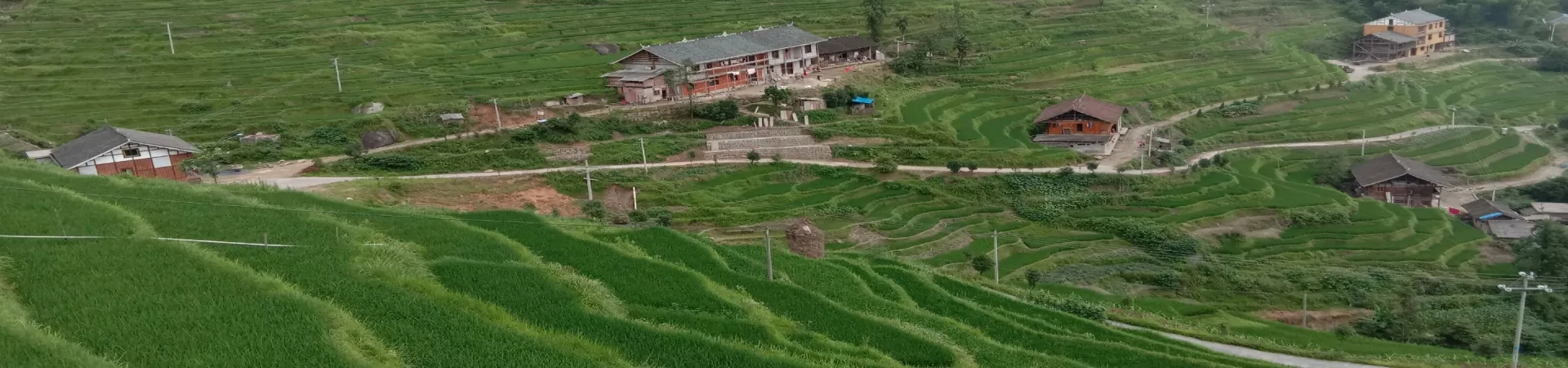
Subtitle: A Masterpiece of Agricultural Art and Ancient Engineering in Central China
1. Introduction to Ziquejie Terrace Nestled within the town of Shuiche, Xinhua County, in China's Hunan province, lies the Ziquejie Terrace, an awe-inspiring landscape that transcends mere agricultural function to become a profound cultural and artistic statement. This vast expanse of meticulously carved paddies represents over two millennia of harmonious interaction between the local Yao and Miao people and their mountainous environment. Unlike many terraced fields globally that rely on complex irrigation systems, Ziquejie's genius lies in its unique, self-sustaining water source—a natural subterranean aquifer system that seeps through the porous bedrock, watering the terraces from the bottom up. This natural engineering marvel has sustained continuous cultivation for centuries, creating a living landscape that changes with every season, from the mirror-like water reflections in spring, through the vibrant green waves of summer rice, to the golden harvest hues of autumn and the serene, sculptural snow patterns of winter.
2. The Architectural and Aesthetic Grandeur of the Terraces 2.1. A Synthesis of Global Terrace Beauty Ziquejie Terrace is often described as a convergence of the world's most magnificent terrace styles. It possesses the sheer scale and grandeur of the Hani Terraces in Yunnan, the dramatic and picturesque beauty of the Longji Terraces in Guangxi, the precipitous and rugged charm of the Banaue Rice Terraces in the Philippines, and the soft, flowing elegance of the Sa Pa Terraces in Vietnam. This unique synthesis makes it a unparalleled spectacle, offering a comprehensive visual feast of terracing artistry.
2.2. Lines, Layers, and Dynamic Form The terraces are a study in perfect agricultural geometry adapted to nature's whims. The fluid lines of the paddy borders follow the precise contours of the mountains, creating a sense of rhythmic motion. The distinct, well-defined layers stack upon one another, resembling a colossal staircase ascending to the sky or countless latitudinal lines etched across the slopes. This arrangement creates a powerful, visually雄伟壮观 (magnificent and imposing) scene. The fields wind and spiral around hills and valleys, their layered and overlapping structure clinging to the terrain with such organic grace that they appear as a natural extension of the land itself.
3. Practical Information for Visitors To fully appreciate Ziquejie, planning your visit with the following practical details in mind is essential.
3.1. Location and Access The terraces are located in Shuiche Town, Xinhua County, Loudi City, Hunan Province. The most common access point is from Loudi or Changsha, involving a combination of train or long-distance bus to Xinhua County, followed by a local bus or private taxi to the scenic area. The journey itself offers glimpses into the rural heart of Hunan.
3.2. Ticket Information Admission fees are structured as follows: * Adult Ticket: 68 RMB * Child Ticket (typically for children of a certain height/age): 36 RMB * Senior Ticket (eligible for elderly visitors, usually 60+ or 65+ with ID): 36 RMB * Note: These prices are for reference (as of the last update). Ticket categories and prices are subject to change, and it is highly recommended to verify the latest fees with the official ticket office or website on the day of your visit.
3.3. Opening Hours The scenic area operates with two potential schedules, which may vary by season or specific section: * Extended Hours Schedule: 07:00 - 22:00 (Last entry at 22:00) * Standard Hours Schedule: 08:30 - 17:30 (Last entry at 17:30) It is advisable to confirm the exact operating hours for your intended date of visit, especially if planning for sunrise or sunset viewing.
3.4. Suggested Duration To truly immerse yourself in the landscape, a minimum of 3-4 hours is recommended. This allows time to visit several key viewing platforms, take a leisurely walk along designated paths between terraces, and absorb the panoramic views. Many visitors opt for a full-day tour to explore different valleys and villages at a relaxed pace, and photographers often dedicate multiple days to capture the changing light.
4. Experiencing Ziquejie Through the Seasons and Culture 4.1. The Seasonal Palette Each season paints Ziquejie in a distinct color and mood. Spring is the planting season, where water-filled terraces create stunning mirrors reflecting the sky, clouds, and surrounding peaks, especially magical at sunrise and sunset. Summer blankets the mountains in lush, vibrant green as the rice seedlings grow, offering a scene of vigorous life. Autumn transforms the area into a golden ocean of ripe rice, a time of harvest and celebration. Winter, occasionally dusted with snow, reveals the elegant, bare structure of the terraces, showcasing their clean lines and architectural form against the stark landscape.
4.2. Cultural Encounters and Local Life The terraces are not just a landscape; they are the home and heritage of local communities. Visiting nearby Yao and Miao minority villages provides cultural context. Traditional wooden stilted houses dot the hillsides. Engaging with local farmers, observing their time-honored farming techniques, and possibly experiencing local festivals or sampling authentic Hunan rural cuisine adds a rich, human dimension to the visit. The terraces are a testament to their sustainable way of life.
4.3. Key Viewing Platforms and Photography Tips Strategic viewing platforms, such as Yueluo Top and Jiulong Pool, offer the most breathtaking panoramas. For photographers, the hours around dawn and dusk provide the most dramatic light. The interplay of morning mist rising from the valleys is a particularly sought-after phenomenon. A telephoto lens can compress the layers of terraces for impactful compositions, while a wide-angle lens captures the vastness of the scene.
Information last updated: 2023-07-07. Credit and thanks to contributing travel community members for their insights.