Jinlong Terraced Fields
Subtitle: A Journey Through Time and Terraces: Unveiling the Hidden Gem of Loudi's Jinlong Rice Terraces
Introduction: Where Nature's Canvas Meets Human Ingenuity
Nestled within the verdant, rolling mountains of central Hunan Province, far from the well-trodden tourist circuits, lies a breathtaking masterpiece of agricultural art and ancient perseverance: the Jinlong (Golden Dragon) Rice Terraces of Loudi. More than just a scenic landscape, Jinlong is a profound testament to the symbiotic relationship between the local Miao and Yao ethnic communities and their environment, a living cultural heritage carved into the very bones of the earth over centuries. This vast, cascading network of terraced fields transforms with the seasons, offering a dynamic and ever-changing panorama that captivates photographers, nature enthusiasts, and cultural explorers alike. Unlike the more famous terraces of southern China, Jinlong retains an aura of serene authenticity, a place where the rhythm of life is still dictated by the planting and harvest cycles, and where mist-shrouded peaks guard stories of generations past.
I. The Layered Tapestry: Understanding the Terraces' Grandeur
A. A Symphony in Green and Gold: The Seasonal Transformations The true magic of Jinlong unfolds through the annual cycle. Visiting Jinlong is to witness four distinct acts in a grand natural drama.
- Spring's Liquid Mirrors: From April to June, the terraces are flooded for planting. The water-filled paddies become a stunning mosaic of thousands of clear mirrors, perfectly reflecting the vast sky, drifting clouds, and the surrounding bamboo forests. At dawn and dusk, the interplay of light creates a surreal, dreamlike landscape.
- Summer's Emerald Waves: As the rice seedlings take root, the mountainsides erupt in every shade of green. The meticulously contoured terraces resemble vast, textured tapestries or the sweeping scales of the legendary dragon for which the area is named. The air is fresh, filled with the sounds of life.
- Autumn's Golden Harvest: Mid-September to October is the most spectacular season. The ripened rice paints the entire slopes in radiant hues of gold, amber, and yellow. Under the autumn sun, the terraces look like a cascading river of molten gold, a breathtaking reward for a year's labor and a paradise for photographers.
- Winter's Serene Sculpture: In colder months, especially after a rare snowfall, the terraces reveal their elegant structural form. The frost- or snow-lined ridges create stark, graceful lines against the dark earth, resembling abstract etchings or a sleeping dragon awaiting the spring thaw.
B. Engineering and Ecosystem: The Wisdom Behind the Beauty The Jinlong Terraces are a marvel of pre-industrial engineering. This complex system is not merely aesthetic; it is a highly functional and sustainable model of agriculture.
- Ancient Water Management: An intricate, community-managed network of canals, bamboo pipes, and ditches channels water from the forested mountaintops down through every level of the terrace. This self-regulating system demonstrates an advanced understanding of hydrology and gravity.
- A Biodiverse Sanctuary: The terraces create a unique micro-ecosystem. They provide habitat for aquatic life in the paddies, support numerous bird species, and help conserve water and soil on the steep slopes. The traditional farming practices, often avoiding chemical pesticides, further preserve local biodiversity.
II. Immersive Experiences: Beyond the Viewpoints
A. Cultural Heartbeat: Villages and Ethnic Heritage The terraces are inseparable from the people who maintain them. Several traditional villages, such as those in the Ziquejie area (often associated with the broader Jinlong terrace system), are perched among the fields.
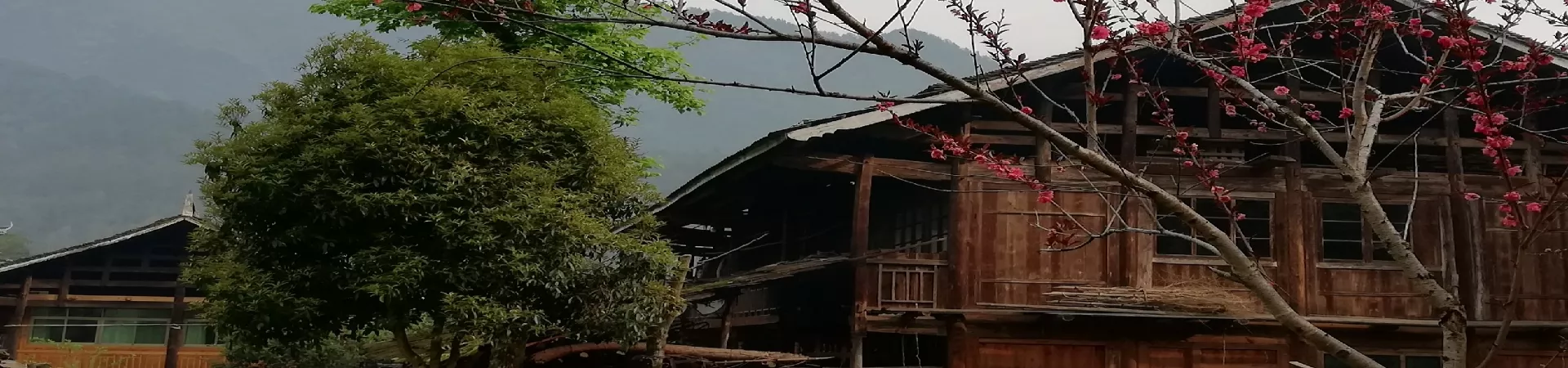
- Architecture: Witness sturdy wooden stilt houses (Diaojiaolou) with grey-tiled roofs, adapted to the mountainous terrain.
- Local Life: Observe farmers tending their fields with time-honored methods, or visit local homes to see traditional crafts. The vibrant festivals of the Miao and Yao people, featuring silver adornments, Lusheng (reed pipe) music, and spirited dances, offer a deep cultural immersion if timed correctly.
B. Trekking the Dragon's Back: Hiking Trails and Photography The best way to appreciate the scale and detail of Jinlong is on foot. A network of stone paths and trails winds through and around the terraces.
- Recommended Routes: A classic hike starts from a lower village, ascending through the heart of the terraces to a higher viewpoint. This journey allows you to hear the water trickling, see the rice up close, and interact with locals. Longer trails connect multiple villages over several hours.
- Photography Tips: For the iconic shots, viewpoints at Dawn and Dusk are essential. Capture the reflection during spring mornings, the lush greens under summer clouds, or the golden glow of autumn sunset. Fog and mist are common and can add a mystical layer to your compositions.
III. Practical Information for Your Visit
A. Planning Your Trip: Timing and Access
- Best Time to Visit: Each season has its charm. Late September to October is peak for the golden harvest scenery. April to May offers the magnificent mirror effects. Summer is lush and cool, while winter provides stark, crowd-free beauty.
- Getting There: Jinlong Terraces are located near the town of Xinhua County, Loudi City. The most common approach is to take a high-speed train to Xinhua South Railway Station. From there, hire a local taxi or arrange a private car for the approximately 1 to 1.5-hour drive into the mountainous terrace area. Public buses are limited and less convenient. Having a local driver is highly recommended for flexibility.
B. On-Site Logistics and Tips
- Admission and Hours:
- Opening Hours: The scenic area is accessible all day.
- Ticket Sales: Official ticket counters are open from 7:00 AM to 10:00 PM.
- Contact: For the latest information, you can call +86 738 3616998.
- Accommodation: Stay in a local guesthouse or small hotel in one of the villages (like in Ziquejie) for an authentic experience. This allows for early morning and late evening access to the terraces without time pressure. Book in advance during peak seasons.
- What to Bring: Sturdy, comfortable walking shoes with good grip are essential for the stone paths. Pack layers of clothing as mountain weather changes quickly. Don't forget rain gear, sun protection, a hat, and of course, your camera with extra batteries and memory cards.
- Respectful Tourism: Remember that the terraces are a workplace and home. Always stay on designated paths to avoid damaging the field ridges. Be respectful when photographing local residents, and ask for permission first. Support the community by purchasing local handicrafts or dining at family-run establishments.
A visit to the Jinlong Rice Terraces is more than a scenic detour; it is an invitation to contemplate human resilience, to witness the artistry of survival, and to find peace in the rhythmic, ancient patterns of nature and culture intertwined. It is a destination that rewards the thoughtful traveler with perspectives as layered and profound as the terraces themselves.