Daxiong Mountain National Forest Park
Subtitle: A Realm of Ancient Forests, Cultural Heritage, and Breathtaking Vistas in Central Hunan
1. Introduction to a Premier Natural Sanctuary Nestled in the heart of Hunan Province, Daxiong Mountain National Forest Park stands as a crown jewel of China's ecological and cultural landscape. Officially designated as a National AAAA Tourist Attraction, it has earned prestigious accolades including the title of "China Forest Oxygen Bar," "Hunan's Best Summer Resort," and one of the province's first "Eco-Tourism Demonstration Zones." Encompassing a vast area of 81 square kilometers, the park is renowned for its towering peaks, intricate cave systems, and exceptionally rich biodiversity. It offers visitors not just a retreat into pristine wilderness, but a profound journey through layers of history, mythology, and spiritual tradition.
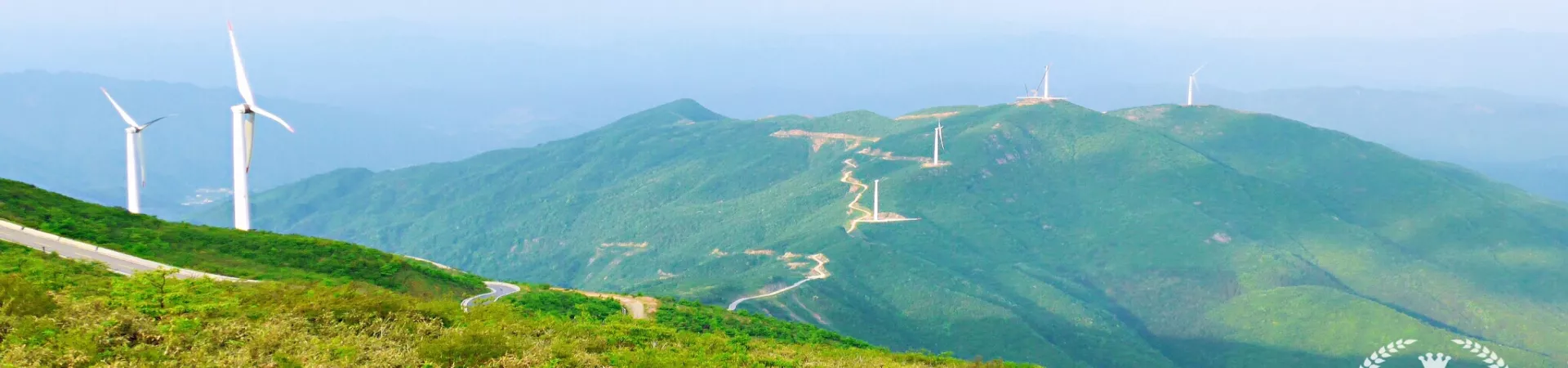
2. A Tapestry of Natural Wonders 2.1. Landscape and Ecology The park's topography is dominated by the majestic Daxiong Mountain range, characterized by high elevations, deep valleys, and dramatic rock formations. This varied terrain creates a multitude of microclimates, fostering an ecosystem of remarkable diversity. The park is a haven for numerous plant and animal species, many of which are rare or protected. Ancient trees stretch towards the sky, while the dense, verdant forests act as the region's "green lungs," producing air of exceptional purity that validates its "Forest Oxygen Bar" status. The landscape is punctuated by scenic streams, waterfalls, and mysterious caves waiting to be explored, offering endless opportunities for hiking, photography, and nature immersion.
2.2. Climate and Best Time to Visit With its elevated terrain, Daxiong Mountain provides a refreshing escape from the summer heat of the lowlands, living up to its reputation as a premier summer retreat. The average temperature is significantly cooler, making the period from late spring to early autumn (May to October) ideal for visiting. During these months, the forest is at its most vibrant, and the climate is perfect for outdoor activities. Autumn brings a spectacular display of foliage, while winter can cloak the peaks in serene snow, offering a different kind of tranquil beauty.
3. Journey Through Myth and History 3.1. The Legendary Homeland of Chiyou Beyond its natural beauty, Daxiong Mountain is steeped in ancient history and mythology. It is revered as the legendary homeland of Chiyou, a pivotal figure in Chinese mythology and the traditional leader of the ancient Jiuli tribe. The area is considered a crucial birthplace of the Meishan culture. Tangible connections to these ancient legends persist within the park, including historical sites such as the "Chiyou Wuchang" (reputed to be Chiyou's birthplace) and "Chunji'ao" (named after Chiyou's wife). These sites transform the landscape from mere scenery into a living museum of China's foundational myths.
3.2. Imperial Endorsements and Historical Records The mountain's significance is recorded in historical texts, adding layers of documented history to its mythical aura. Records of the Grand Historian (Shiji) and the Song Dynasty geographical work Fang Yu Lan Sheng contain references to ancient emperors journeying to "Xiang Xiong," which is identified as Daxiong Mountain. Furthermore, local lore holds that the Qing Dynasty Emperor Qianlong visited the mountain, leaving behind a celebrated couplet that praises its unique beauty: "Ten miles of screen unfold, alone marking a scene of pristine wonder; The majestic Bear Mountain stands, half revealing essence of sublime splendor."
4. Spiritual Heritage and Practical Information 4.1. A Sacred Mountain of Religious Harmony Daxiong Mountain has long been a sacred center for religious practice. At its zenith, it hosted an impressive 49 temples and monasteries. A distinctive feature of its spiritual heritage is the harmonious coexistence of Buddhism and Taoism, with both traditions flourishing side-by-side for centuries. Although the number of active sites may have changed, the mountain retains a palpable aura of tranquility and devotion. Visitors can still sense the historical weight of centuries of worship and pilgrimage that once made this a regionally renowned destination for spiritual seekers.
4.2. Essential Visitor Details 4.2.1. Admission Fees * Standard Ticket: 70 RMB (applies year-round). * Concession Ticket (Half-price): Available for children with a height between 1.3 meters (inclusive) and 1.5 meters (inclusive); minors; full-time undergraduate students and below aged under 24 (excluding 24); seniors aged 60-64 (inclusive) with ID or senior citizen certificate; active military personnel with official certificate; disabled military personnel with relevant certificate. Note: Concession tickets must be purchased on-site at the park's ticket office. * Free Admission: Granted to children under 1.3 meters in height (not inclusive) and seniors aged 65 (inclusive) and above upon presentation of a valid ID or senior citizen certificate.
4.2.2. Operating Hours * Monday - Thursday: 08:00 - 19:00 (last admission at 18:00). * Friday - Sunday: 08:00 - 22:00 (last admission at 18:00). These hours are in effect throughout the year (January 1st to December 31st).
4.2.3. Suggested Visit Duration and Contact A full day is recommended to adequately experience the park's main natural and cultural attractions. For further inquiries, the park can be contacted via telephone at 0738-6968386 or 18037911820.