Boyue Cave Scenic Area
Subtitle: A Journey into a Subterranean Wonderland: Exploring Boyue Cave, Hunan's Geological Masterpiece
Introduction: A Portal to Another World Nestled at the western foot of Mount Taiyi, on the northern outskirts of Lengshuijiang City in Hunan Province, lies Boyue Cave, a destination that transcends the ordinary. Far more than just a scenic spot, it is a monumental natural museum of karst geology, a labyrinthine gallery sculpted by water and time over millions of years. This cave system offers visitors an unparalleled opportunity to descend into a breathtaking subterranean realm, where fantastical rock formations tell silent stories of Earth's ancient past and cinematic history adds a layer of cultural mystique.
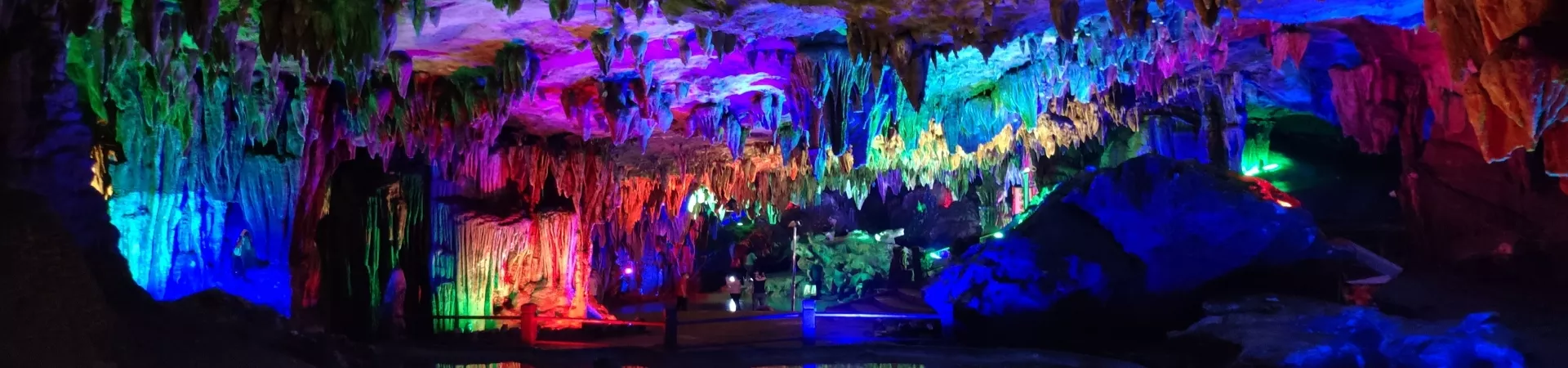
1. The Geological Spectacle: A "World Karst Museum" 1.1. A Realm of Stone and Shadow Upon entering Boyue Cave, one is immediately enveloped in a cool, otherworldly atmosphere. The cave earns its reputation as a "World Karst Museum" through its staggering density and variety of speleothems. Every glance reveals a new marvel: towering stalactites hang like petrified waterfalls from the cavern ceilings, while robust stalagmites rise from the floors in majestic defiance. These formations meet to create colossal stone columns that seem to support the very weight of the mountain above. The interplay of carefully placed lighting illuminates the intricate textures and brilliant hues of the minerals, casting dramatic shadows and bringing the silent stone to life.
1.2. A Record-Breaking Phenomenon: The Forest of Soda Straws Among its many geological treasures, Boyue Cave holds a unique global distinction. It is recognized as the site with the highest concentration of "soda straws" or "macaroni" stalactites in the world. These are exceptionally long, thin, hollow tubes of calcite that form drop by drop over millennia. Witnessing vast clusters of these delicate, translucent formations is a humbling experience, showcasing a rare and fragile aspect of cave development. This remarkable feature solidifies the cave's status not merely as a Chinese attraction, but as a site of significant international geological importance.
2. A Cinematic Legacy: The Stage for Legend 2.1. The Iconic Backdrop of "Journey to the West" Boyue Cave's dramatic scenery has captivated not only geologists and tourists but also the world of film. In the 1980s, its eerie and majestic chambers were chosen as a primary filming location for the classic adaptation of "Journey to the West," specifically for the iconic episode "The Three Attacks on the White-Bone Demon." The cave's natural arches, deep recesses, and grotesque rock formations provided the perfect, ready-made set for the mythical and often perilous world traversed by the Monkey King and his companions. For many Chinese visitors, exploring the cave is a nostalgic trip, walking through the very landscapes that shaped their childhood imaginations.
2.2. A Natural Film Studio Beyond its most famous role, Boyue Cave has served as a versatile natural studio for numerous other historical and fantasy television series and films. Its diverse chambers—from vast halls to narrow passages—can effortlessly double as ancient temples, hidden rebel bases, mystical palaces, or monster lairs. This cinematic heritage adds a rich narrative layer to the visit. As you navigate the walkways, guides often point out specific formations or caverns featured in well-known scenes, allowing you to stand where actors once brought legendary stories to life.
3. Practical Information for Visitors 3.1. Admission and Operating Hours To facilitate a smooth visit, please note the following practical details. The admission fee for Boyue Cave is set at 63 RMB per person. The scenic area is open daily from 8:30 AM to 5:30 PM. It is important to note that the last admission is at 5:30 PM, after which entry is no longer permitted. Visitors are advised to plan their arrival with sufficient time to fully appreciate the extensive cave network before closing.
3.2. Planning Your Visit Given the cave's constant cool temperature and occasionally damp, uneven pathways, it is recommended to wear comfortable, non-slip walking shoes and bring a light jacket. The pathways are well-maintained with lighting and handrails for safety. Photography is encouraged, but the use of flash may be restricted in certain areas to preserve the environment and the experience for others. Allocating at least two to three hours for the exploration is ideal to absorb the geological wonders and cinematic history at a leisurely pace.
4. The Enduring Allure Boyue Cave represents a profound synthesis of natural artistry and human culture. It is a place where the slow, relentless forces of nature have created a spectacle of timeless beauty, a beauty so compelling that it has been woven into the fabric of modern mythological storytelling. A visit here is both an educational journey through Earth's geological processes and an immersive step into the iconic scenes of Chinese cinematic legend. It remains a must-visit destination in Hunan for those seeking to witness one of the planet's hidden marvels and touch a piece of cultural history.