Zhongchuan Ancient Village Scenic Area
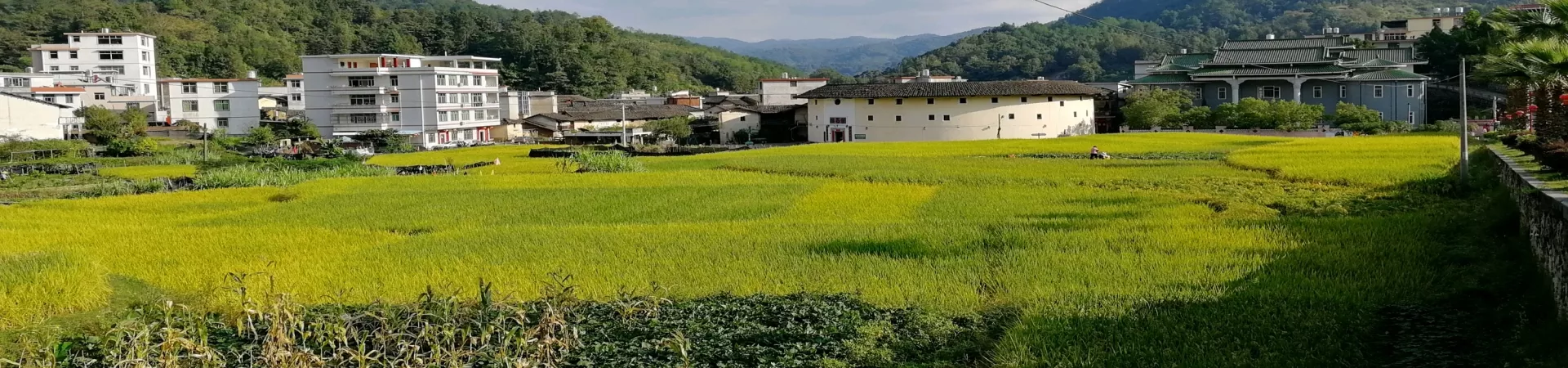
Subtitle: A Journey Through Time in the Hakka Heartland
1. Introduction: The Allure of Zhongchuan Ancient Village
Nestled within the lush, rolling hills of Longyan City in Fujian Province, China, lies the captivating Zhongchuan Ancient Village. More than just a scenic spot, it is a living museum, a profound cultural sanctuary, and a cornerstone of the Hakka people's remarkable history. The village serves as a gateway to understanding the unique Tulou (earthen building) architecture, designated as a UNESCO World Heritage site, and offers an immersive experience into the resilient and communal spirit of the Hakka community. A visit here is not merely a tour; it is a step back in time, where ancient walls whisper tales of migration, unity, and ingenious adaptation.
2. The Crown Jewel: Exploring the Tulou Earthen Buildings
2.1. Architectural Marvel and Defensive Fortress The most striking features of Zhongchuan are undoubtedly its Tulou. These monumental, rammed-earth structures are the heart of the village. Built between the 12th and 20th centuries, they were designed as massive, fortified communal living complexes. Their unique circular or rectangular shapes, with walls up to six feet thick, served a dual purpose: providing protection against bandits and wild animals, and fostering a strong, inward-looking community spirit. The construction technique, using raw earth, sand, lime, and bamboo, is a testament to ancient ecological wisdom and engineering prowess, creating buildings that are cool in summer and warm in winter.
2.2. A Microcosm of Hakka Society Each Tulou functioned as a self-contained vertical village. Typically, the ground floor housed kitchens and common areas, the second floor served as grain storage, and the upper floors contained the private living quarters for dozens of families from the same clan. The central open courtyard was the nucleus of daily life—a place for gatherings, ceremonies, and communal work. Walking into a Tulou like the Huxiang Building or the Zhenfu Building in Zhongchuan allows you to visualize the vibrant, collective existence that thrived within these walls for centuries.
3. Practical Information for Your Visit
To fully appreciate Zhongchuan Ancient Village, planning your trip with the following details in mind will ensure a smooth and enriching experience.
3.1. Admission and Opening Hours * Ticket Price: The entrance fee is 30 RMB per person. * Operating Hours: The village operates on a seasonal schedule. * May 1st - October 7th: Open from 08:00 to 17:30, with last admission at 17:00. * October 8th - April 30th: Open from 08:00 to 17:00, with last admission at 16:30. It is advisable to allocate at least 1 to 3 hours for a comprehensive visit, though history and architecture enthusiasts may wish to stay longer.
3.2. Getting There: Transportation Guide The most common access point is from Yongding District. Visitors can take a local bus from Yongding to Xiayang Town. The bus fare is approximately 10 RMB per person. From Xiayang Town, Zhongchuan Ancient Village is easily accessible via a short local taxi or motorized rickshaw ride. For a more flexible schedule, hiring a private car or joining an organized tour from Longyan or Xiamen is a convenient alternative.
3.3. On-Site Amenities and Contacts While the village retains its historical authenticity, basic tourist facilities are available. For any inquiries prior to your visit, you can contact the scenic area management at 0597-3256222 or 0597-5586500.
4. Beyond the Structures: The Living Hakka Culture
4.1. Ancestral Halls and Scholarly Heritage Zhongchuan is renowned not only for its Tulou but also as a "Village of Cultural Celebrities." Scattered throughout the village are well-preserved ancestral halls, such as the Jinshan Ancestral Hall, which highlight the Hakka people's deep reverence for ancestry and education. Inscriptions, couplets, and commemorative plaques found on buildings speak of a strong Confucian tradition that valued scholarship and official service, producing numerous scholars and officials throughout history.
4.2. Intangible Cultural Experiences The cultural immersion extends beyond architecture. Pay attention to the local Hakka dialect, one of the oldest Chinese dialects. If your visit coincides with a local festival, you might witness traditional ceremonies or sample authentic Hakka cuisine, known for its savory flavors and use of preserved ingredients, reflecting the community's migratory past. The simple, winding stone-paved pathways connecting the buildings invite leisurely exploration, leading to unexpected vistas and quiet corners where daily life unfolds in harmony with centuries-old traditions.
4.3. The Surrounding Landscape The beauty of Zhongchuan is magnified by its natural setting. The village is surrounded by terraced fields, bamboo groves, and clear streams. This harmonious integration of human settlement with the environment is a key part of its charm. The landscape offers picturesque backdrops for photography and moments of tranquility, reminding visitors that these earthen fortresses were not just defensive strongholds but also sustainable homes chosen for their agricultural and strategic merit.