Yongfu Cherry Blossom Garden
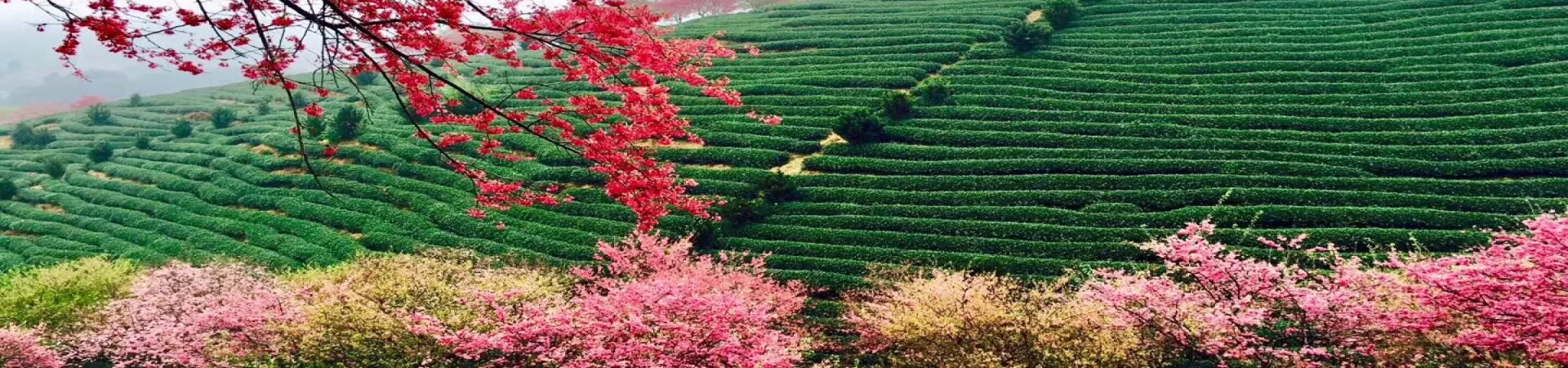
Subtitle: A Symphony of Blossoms and Tea: Unveiling the Enchantment of Zhangping Yongfu Cherry Blossom Garden
Introduction: Beyond the Blossoms
Nestled in the mountainous embrace of Longyan City, Fujian Province, the Zhangping Yongfu Cherry Blossom Garden presents a spectacle that transcends the conventional cherry blossom viewing experience. Far more than just a floral park, it is a vast, living canvas where agriculture, horticulture, and breathtaking natural beauty converge. Revered as "China's Most Beautiful Cherry Blossom Sanctuary," its fame rests not solely on the volume of its blossoms but on the uniquely poetic landscape it cultivates—a harmonious marriage of delicate pink and white flowers with the deep, structured green of sprawling tea plantations. This singular fusion creates a visual and sensory masterpiece found nowhere else in the world, offering a distinctly Chinese pastoral elegance on a scale that dwarfs even famous international counterparts like the cherry blossoms of Okinawa's Nakijin Castle.
The Unparalleled Landscape: Tea and Cherry Symbiosis
A Tapestry of Color and Cultivation The most defining and awe-inspiring feature of Yongfu is its foundational concept: cherry trees meticulously planted along the ridges and pathways of vast tea fields. Imagine over 50,000 mu (approximately 3,333 hectares) of meticulously terraced tea gardens, their orderly rows painting the hills in endless shades of emerald and jade. Interwoven with this sea of green are more than 150,000 cherry trees of 42 different varieties. This is not a small grove but an expansive, immersive environment where the journey is as magnificent as the destination. The scale is monumental, said to be five times that of the famed cherry blossom sites in Okinawa, transforming the entire region into a pastel-hued wonderland during peak season.
The Art of Sequential Blooming The careful selection of 42 cherry blossom varieties serves a brilliant purpose: it dramatically extends the viewing window. Unlike locations reliant on a single, fleeting variety, Yongfu's blossoms perform in a sequential symphony from late January through early April. The season typically commences with the early-blooming Taiwan Cherry, followed by a rolling wave of colors and forms from varieties like the Yoshino Cherry, Weeping Cherry, and Kanhi Cherry. This staggered blooming schedule means that over several weeks, visitors can witness the landscape's continuous transformation, with different sectors of the tea hills glowing at different stages of floral perfection.
A Multi-Sensory Experience Visiting Yongfu is a multi-sensory journey. Strolling along the winding paths, the air carries the delicate, almost almond-like fragrance of cherry blossoms seamlessly blended with the fresh, grassy scent of tea leaves. The visual contrast is endlessly photogenic: the soft, cloud-like clusters of pink blossoms floating above the crisp, geometric lines of the tea bushes. It is this "tea field cherry blossom charm" that defines Yongfu, offering a serene and picturesque atmosphere that feels both cultivated and wild, structured and soft.
Practical Information for Your Visit
Visiting Hours and Schedule The garden is generally open to the public daily from 8:00 AM to 9:00 PM throughout the year. These extended hours allow for vastly different experiences within a single day. Morning visits offer clear, gentle light perfect for photography, with possible mist weaving through the hills, adding a mystical quality. Afternoon light bathes the blossoms in a warm glow, while evening visits, when the gardens are sometimes softly illuminated, can provide a tranquil and romantic ambiance. It is always advisable to check for any seasonal adjustments or special event schedules prior to your visit, as operational hours can be subject to change.
Admission and Access A remarkable aspect of this natural treasure is its accessibility. Admission to the Yongfu Cherry Blossom Garden is free of charge. This open-door policy allows everyone to enjoy its beauty without barrier. However, it is prudent to remember that while this information is provided as a reliable guide, practical details like parking fees for private vehicles or potential charges for specific internal shuttle services within the vast area should be confirmed locally. Always verify the latest details from official sources or local tourism outlets on the day of your visit to ensure a smooth experience.
Navigating the Vast Gardens Given the immense area covered by the blossoms, planning your route is key. The garden is not a single enclosed park but a series of integrated tea plantations and viewing areas. Key spots like the Taoyuan Cherry Blossom Viewing Platform and the Xishan Tea Village offer some of the most concentrated and panoramic vistas. Comfortable walking shoes are essential, as exploring involves gentle hills and pathways. During the peak bloom period (usually from mid-February to late March), arriving early in the day is highly recommended to avoid larger crowds and secure more leisurely enjoyment of the scenery. The local area offers basic amenities, and the nearby town of Yongfu provides dining and accommodation options for those wishing to extend their stay.
The Cultural and Natural Context The garden's location within the Yongfu Town area, often called the "Hometown of Chinese Alpine Tea," adds another layer of depth to the visit. The cherry blossoms were initially planted by tea farmers to provide shade and enhance the local ecology, a practice that inadvertently created this world-class attraction. This origin story ties the beauty directly to local livelihood and environmental care. The blossoming period often coincides with the Lunar New Year celebrations, making it a popular destination for families and a symbol of spring's hopeful renewal in Chinese culture. The surrounding region of Longyan is also rich in Hakka culture and other natural wonders like the Taining Danxia landforms, allowing visitors to combine a trip to the cherry garden with a broader exploration of western Fujian.