The Earthen Building in Fujian Province Yongding Scenic Spot
Subtitle: A Guide to the Yongding Tulou Cluster, a UNESCO World Heritage Site in Fujian
1. Introduction to the Yongding Tulou Scenic Area
Nestled in the lush, mountainous region of Longyan, Fujian Province, lies the Yongding Tulou Scenic Area, a captivating destination that transcends the ordinary. Officially designated as a National 5A Tourist Attraction and a UNESCO World Heritage Site, this collection of ancient communal dwellings is often affectionately and aptly described as "a unique wonder of Chinese ancient architecture." More than just buildings, the Tulou (literally "earthen buildings") are monumental testaments to the history, culture, and resilient communal spirit of the Hakka people. The site functions as an open-air museum, showcasing a staggering variety of forms and housing a living culture, truly earning its nickname as "a Chinese Hakka Tulou Museum without a gate."
The scenic area is an expansive network, primarily composed of several key clusters and villages: the Hongkeng Tulou Cluster, the Gaobei Tulou Cluster, the Chuxi Tulou Cluster, the Nanxi Tulou Cluster, and the Zhongchuan Ancient Village. Within these clusters, over 4,000 Tulou structures have survived through centuries, presenting visitors with a breathtaking array of architectural forms. The most iconic are the colossal circular Tulou, but square, rectangular, and even elliptical shapes dot the landscape. Each structure, with its towering earth walls, embodies a unique approach to mountain-dwelling architecture and stands as a powerful physical manifestation of the Hakka tradition of clan-based communal living—a fortress-like home for entire lineages.
2. Planning Your Visit: Practical Information
2.1. Tickets and Opening Hours Admission to the Yongding Tulou is managed per cluster, with options for single-site tickets or combination passes. Prices are subject to change, and it is always advisable to verify with the official ticket counters on the day of your visit. * Single Cluster Tickets (Reference): * Tulou Folk Culture Village (Hongkeng): Approximately 90 RMB. * Fujian Tulou King (Gaobei Cluster): Approximately 50 RMB. * Chuxi Tulou Ancient Village: Approximately 65 RMB. * Zhongchuan Ancient Village: Approximately 30 RMB. * Combination Tickets (Reference): * Chuxi Tulou Village + Zhongchuan Ancient Village: Approximately 90 RMB. * Tulou Hakka Folk Culture Village + Fujian Tulou King: Approximately 98 RMB.
The scenic area operates with seasonal opening hours: * Summer Schedule (June 1 - August 31): Open from 08:00 to 17:30, with last entry at 17:30. * Winter Schedule (December 1 - February 28/29): Open from 08:30 to 17:00, with last entry at 17:00. A minimum of 3 hours is recommended to explore even a single cluster thoroughly, with a full day allowing for a more immersive experience across multiple sites.
2.2. Contact Information For the most current information regarding openings, events, or ticketing inquiries, you can contact the scenic area management: * Telephone: 0597-3256222; 0597-5939631.
3. Transportation: How to Get There and Around
Reaching and navigating the Yongding Tulou clusters requires some planning due to their rural, mountainous locations. Public transportation to the major clusters (Hongkeng, Gaobei, Chuxi) is very limited or non-existent.
3.1. Organized Tours (Recommended for First-Time/Independent Travelers) Joining a local day tour from cities like Xiamen or Longyan is a highly popular and stress-free option. These tours handle all logistics, including transportation between dispersed clusters, provide insightful commentary, and save considerable time and hassle associated with transfers.
3.2. Private Car Charter Chartering a private vehicle with a driver offers maximum flexibility and comfort. It is ideal for small groups, families, or photography enthusiasts who wish to travel at their own pace, stop freely for photos, and customize their itinerary. The primary advantage is a "private group" experience without strangers. The main drawback is a higher cost compared to group tours, but this can be very cost-effective when split among several people.
3.3. Self-Driving While driving yourself offers freedom, it comes with significant challenges. The routes involve navigating winding mountain roads which can be demanding for drivers unfamiliar with such terrain. Caution is strongly advised, and it is not recommended for those without mountain driving experience. Furthermore, navigating between villages and finding specific clusters requires good planning and a reliable GPS or map.
4. Exploring the Tulou Clusters: What to See
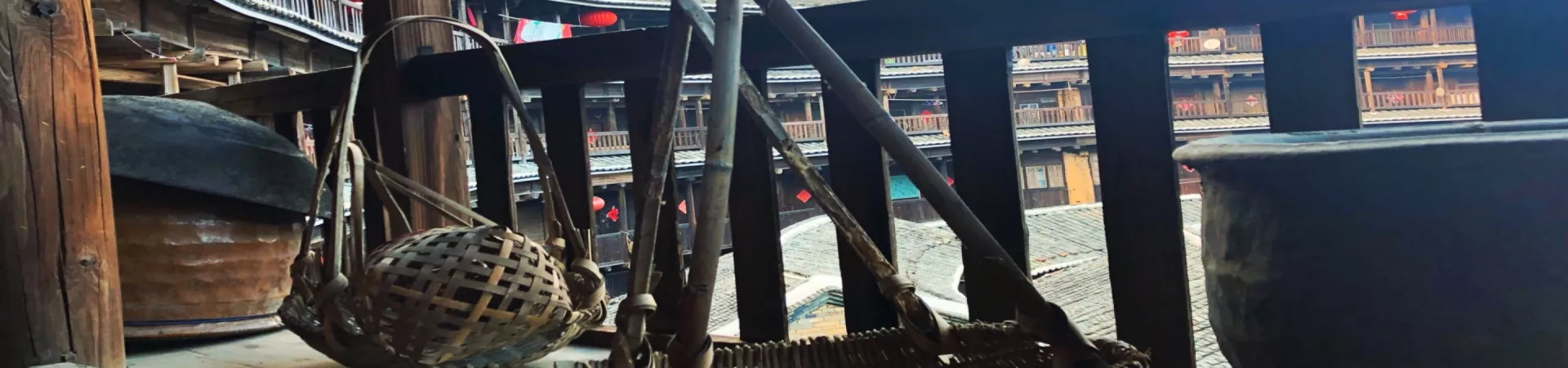
4.1. Architectural Marvels and Living Culture The primary appeal lies in exploring the Tulou themselves. Step inside a circular Tulou like the renowned "Zhencheng Lou" in Hongkeng or the majestic "Chengqi Lou" (the King of Tulou) in Gaobei. You will enter a self-contained world: a circular courtyard open to the sky, surrounded by three to four stories of wooden galleries. Originally, each family owned a vertical suite of rooms from the ground floor to the top. The ground floor housed kitchens, the second floor storage, and the upper floors living quarters. The symmetrical, inward-facing design fostered a profound sense of community and equality among all families. Witnessing residents going about their daily lives within these ancient walls is a key part of the experience.
4.2. Key Clusters and Their Highlights * Hongkeng Tulou Cluster (Folk Culture Village): This cluster is one of the most developed for tourism, offering a concentrated view of various Tulou shapes and sizes. It's an excellent place to appreciate architectural diversity and learn about Hakka customs in a more curated setting. * Gaobei Tulou Cluster: Home to the "Chengqi Lou," the largest and most famous circular Tulou, often called the "King of Tulou." Its sheer scale and grandeur are awe-inspiring. The cluster also features the unique "Qiaofu Lou," a square Tulou built against a backdrop of a steep hill. * Chuxi Tulou Cluster: Known for its more remote and serene atmosphere, set against a beautiful mountainous backdrop. The "Jiqing Lou," a large circular Tulou here, is one of the oldest and best-preserved. The cluster offers a less commercialized glimpse into Tulou life. * Zhongchuan Ancient Village: While famous for its historic Hakka mansions and cultural heritage rather than traditional Tulou, it provides deeper context into the Hakka people's scholarly traditions, overseas connections, and village social structure, complementing the architectural focus of the Tulou sites.