Jiupeng Creek Scenic Area
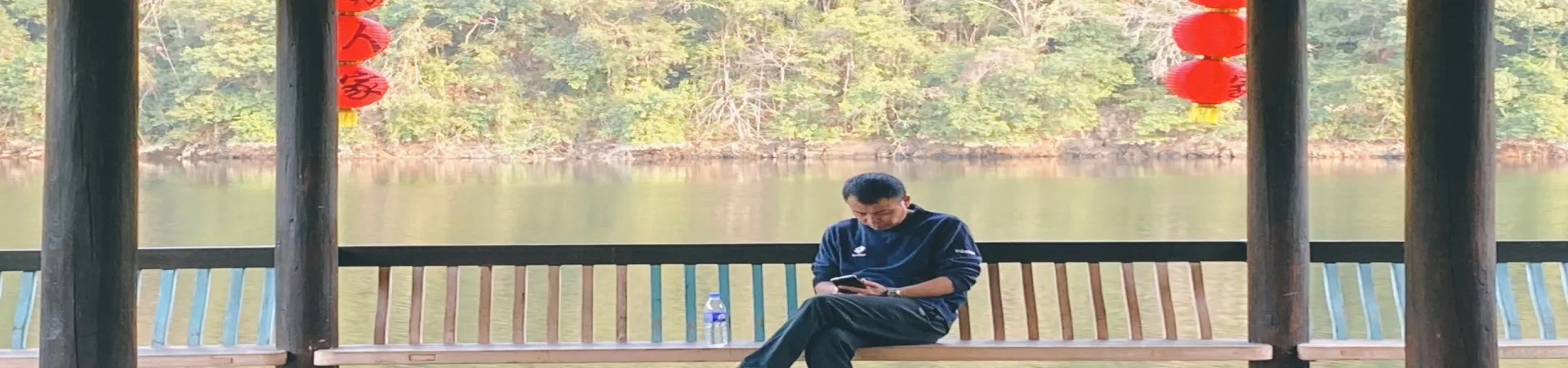
Subtitle: A Serene Escape into Nature's Embrace: Exploring the Waterborne Tea Village of Jiupengxi
Introduction: Where History Meets Natural Splendor
Nestled within the heart of the Tiantai National Forest Park in Zhangping City, Fujian Province, lies the enchanting Jiupengxi Scenic Area. More than just a picturesque landscape, it is a harmonious tapestry woven from lush tea gardens, tranquil waterways, dense forests, and a rich historical legacy. Known poetically as the "Waterborne Tea Village," Jiupengxi offers a multifaceted retreat approximately 28 kilometers from downtown Zhangping, easily accessible via the Yong'an-Zhangping Provincial Highway. Spanning an impressive 1,800 hectares, this core section of the national park masterfully integrates the quintessential elements of the region's beauty—spectacular mountains, crystal-clear waters, verdant tea plantations, thriving woodlands, and rare fauna, most notably the iconic mandarin ducks. It stands as a premier destination designed for sightseeing, relaxation, recreation, and extended holidays, inviting visitors to step into a living painting where culture and nature are inextricably linked.
Section 1: The Pillars of Jiupengxi's Allure
1.1 A Landscape of Ethereal Beauty The fundamental charm of Jiupengxi rests upon five interconnected natural pillars. The area is famed for its 奇山 (Qí Shān) or Peculiar Mountains—karst formations and rolling hills that create a dramatic and mystical skyline, perfect for photography and contemplation. These mountains cradle the 秀水 (Xiù Shuǐ) or Elegant Waters of the Nine Peng Stream, a serene river system that is the lifeblood of the region. A boat ride along its calm surface offers unparalleled views and a profound sense of peace. Meandering along the shores are the meticulously maintained 茶园 (Chá Yuán) or Tea Plantations, whose emerald-green terraces are not only visually stunning but also speak to the area's deep agricultural heritage. Beyond the open fields lies the 密林 (Mì Lín) or Dense Forest, a protected ecosystem within the national park that offers shaded hiking trails, fresh air, and a sanctuary for biodiversity. This rich habitat is home to 珍禽 (Zhēn Qín) or Rare Birds, with the mandarin duck being a celebrated resident, symbolizing love and fidelity, often spotted gliding gracefully on the water.
1.2 A Historical Waterway: Traces of Great Explorers The waters of Jiupengxi have borne witness to significant historical figures, adding a layer of cultural depth to the natural scenery. Most notably, the great Ming Dynasty maritime explorer Wang Jinghong, a key figure in the legendary voyages of Zheng He (and some accounts suggest a commander in his own right), is said to have passed through this region, drawing inspiration from its landscapes before embarking on his world-changing journeys. Furthermore, the renowned 17th-century travel writer and geographer Xu Xiake visited the "Nine Streams" area twice, documenting his boat journeys. His presence underscores the area's long-standing reputation as a place of exceptional beauty, captivating the minds of China's greatest adventurers.
Section 2: The Modern Visitor Experience
2.1 Activities for Every Traveler Today, Jiupengxi is developed to provide a comprehensive and engaging experience for all types of visitors. 观光 (Guānguāng) or Sightseeing is naturally the primary activity, with well-planned walking paths, observation decks, and boat tours that showcase the best vistas. For 休闲 (Xiūxián) or Leisure, there are numerous quiet spots for picnicking, meditation, or simply enjoying the slow pace of life by the water. 娱乐 (Yúlè) or Entertainment options include cultural performances, tea-picking experiences, and photography workshops that engage visitors with local traditions. Finally, for those seeking an immersive 度假 (Dùjià) or Vacation, the area offers comfortable accommodations ranging from rustic lodges to more refined resorts, allowing guests to wake up to the misty views of the tea hills and spend multiple days exploring.
2.2 Practical Information for Your Visit
Visiting Hours & Admission: To plan your journey effectively, please note the following essential details. The scenic area operates on a fixed schedule throughout the year.
Admission Fee: The standard entrance ticket is priced at 45 Chinese Yuan (RMB). This fee typically grants access to the core scenic zones, though additional charges may apply for specific activities like boat tours or guided tea experiences.
Operating Schedule: The park is open daily from 8:30 AM to 5:30 PM. It is important to note that the last admission time is strictly at 5:30 PM. This schedule remains consistent from January 1st through December 31st, Monday to Sunday. Visitors are advised to arrive with sufficient time to purchase tickets and enter before the cutoff to fully enjoy the ambiance of the late afternoon light over the water and mountains.
Section 3: Immersive Encounters with Nature and Culture
3.1 The Tea Culture Immersion A visit to the Waterborne Tea Village is incomplete without engaging with its namesake product. Participating in a tea-picking session during the right season provides hands-on insight into the careful labor behind every leaf. Following this, visitors can often tour a local processing workshop to see how tea is dried, rolled, and oxidized. The culmination of this experience is a traditional tea tasting ceremony, where one can savor the delicate, fragrant brews produced from these very hills, understanding the terroir that gives the tea its unique character.
3.2 Ecotourism and Wildlife Observation For the nature enthusiast, Jiupengxi serves as an excellent destination for ecotourism. The well-preserved forests and clean waterways support a variety of wildlife. Birdwatching, with the hope of spotting the beautiful mandarin ducks, is a popular quiet activity. The hiking trails that wind through the 密林 (Dense Forest) are opportunities for botanical discovery and enjoying the symphony of forest sounds. The management of the area as part of a national park ensures that development is balanced with conservation, allowing visitors to appreciate a thriving, protected environment.
Section 4: Journey and Integration
4.1 Accessibility and Connectivity The scenic area's proximity to Zhangping City (a 40-50 minute drive) and its direct connection to a major provincial highway make it a convenient destination for both independent travelers and tour groups. The road journey itself is scenic, passing through the charming countryside of the南洋乡 (Nanyang Township). This ease of access makes Jiupengxi an ideal day trip or a relaxing weekend getaway without the need for complex logistical planning.
4.2 A Tapestry of Senses Ultimately, a trip to Jiupengxi is an engagement of all senses. It is the sight of mist clinging to tea terraces at dawn, the sound of water gently lapping against a wooden boat, the smell of damp earth and fresh tea leaves, the taste of a locally brewed oolong, and the feeling of tranquility that comes from being surrounded by ancient hills. It is a place where the spirit of Chinese explorers like Wang Jinghong and Xu Xiake still seems to linger, inviting modern visitors to discover their own sense of wonder and peace within this uniquely blended landscape of water, tea, and history.