Chuxi Tulou Group
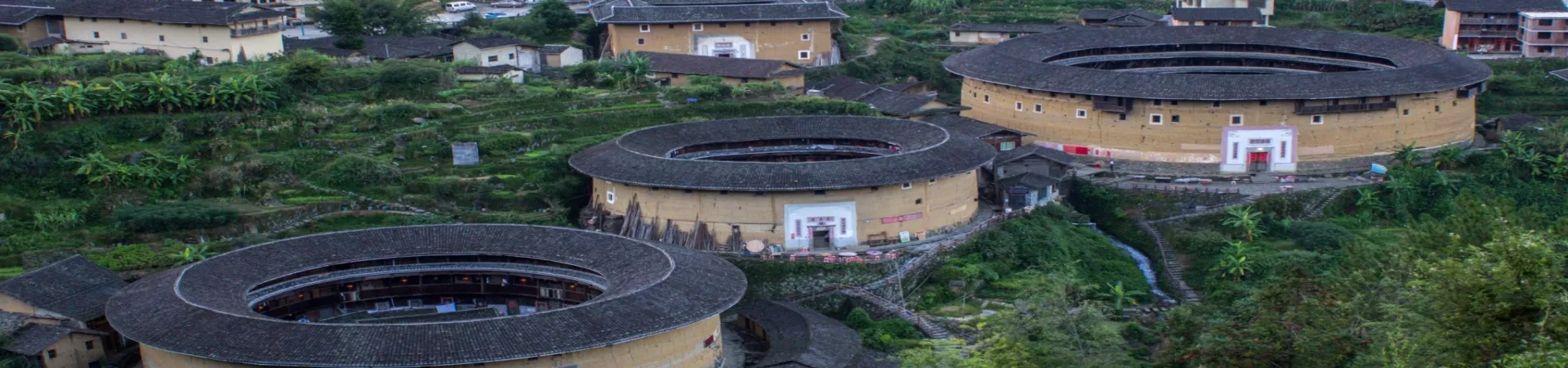
Subtitle: A Journey into Timeless Harmony: Discovering the Chuxi Tulou Cluster
1. An Introduction to the Chuxi Tulou Cluster Nestled within the serene village of Chuxi, in Xiayang Town of Yongding County, Fujian Province, lies one of China's most remarkable and aesthetically captivating cultural landscapes: the Chuxi Tulou Cluster. This extraordinary ensemble of earthen buildings, comprising five circular structures and several dozen rectangular ones, is masterfully arranged upon the mountain slopes, following the contours of the land and the flow of nearby waterways. The cluster presents a breathtaking panorama of architectural harmony with nature, a testament to the ingenuity and communal spirit of the Hakka people. Unlike some of the more frequented tulou sites, Chuxi retains a profoundly authentic and tranquil atmosphere. The relative scarcity of large tourist crowds allows visitors to immerse themselves in the genuine, rustic ambiance of a living community, making it an unparalleled destination for those seeking to experience the authentic essence of Minxi (western Fujian) landscapes and Hakka culture.
2. Architectural Marvel and Historical Significance 2.1. The Structural Genius of the Tulou The tulou of Chuxi are monumental fortified earth buildings, constructed from a mixture of rammed earth, stone, bamboo, and wood. Designed for defensive purposes and communal living, these structures could house entire clans, sometimes hundreds of people, within their thick, windowless outer walls. The interior is a world unto itself, with multiple stories of wooden galleries overlooking a central open courtyard. This courtyard served as the heart of communal activity—a place for gatherings, weddings, ceremonies, and daily chores. The architectural design reflects a profound understanding of sustainability, climate control, and social organization, creating a microcosm of Hakka society that was both secure and inwardly focused.
2.2. Jiqing Lou: A Living Relic Among the distinguished structures, Jiqing Lou stands as the crown jewel and a historical monument of immense importance. Built in the 17th year of the Ming Dynasty's Yongle era (1419), it boasts a history spanning over 600 years, ranking it as one of the oldest surviving circular tulou. Its architectural plan is nothing short of astonishing. Unlike most tulou which feature shared staircases, Jiqing Lou incorporates a unique and remarkably rational design: it contains 72 independent staircases, each leading directly to the individual units on the upper floors. This "one-household-one-staircase" layout provided families with exceptional privacy and direct access, a sophisticated design concept that continues to inspire awe and admiration among architects and visitors alike. Its historical authenticity and cinematic appeal were recognized when it served as a filming location for the television drama "The Great Shores" (下南洋), which depicted the stories of Chinese migrants to Southeast Asia.
3. Practical Information for Visitors To fully appreciate the beauty and history of Chuxi, planning your visit with the following practical details in mind is essential.
3.1. Getting There The most convenient way to reach Chuxi is from Xiayang Town. From the Xiayang Town bus station, visitors can hire a private car or a minivan for the scenic journey to the village. The trip typically costs around 80 RMB for a round trip, including the driver's waiting time while you explore. The ride itself offers glimpses of the beautiful rural countryside of Yongding.
3.2. Admission and Opening Hours * Admission Fee: The entrance ticket to the Chuxi Tulou Cluster is priced at 70 RMB per person. * Opening Hours: The operating hours vary slightly by season: * May 1st to October 7th: 08:00 - 17:30 (Last entry at 17:00) * October 8th to April 30th of the following year: 08:30 - 17:00 (Last entry at 16:30) It is advisable to allocate 1 to 3 hours for a thorough exploration of the main buildings and the village pathways.
3.3. On-Site Experience and Considerations The visitor experience at Chuxi is one of peaceful discovery. The village paths wind between the majestic tulou, through terraced fields, and alongside small streams. You are likely to encounter local residents going about their daily lives—drying tea leaves, preparing food, or chatting in the courtyards. This living heritage aspect is a key part of its charm. For inquiries, the site management can be contacted at 0597-5586500. Visitors are encouraged to wear comfortable walking shoes, carry water, and approach the site with respect for the residents' privacy. The best photographic light often occurs in the early morning or late afternoon, when the sun casts long shadows and highlights the textured earth walls.
4. The Enduring Legacy of the Hakka People Exploring the Chuxi Tulou Cluster is more than just a tourist excursion; it is an immersive lesson in history, sociology, and architectural philosophy. These structures are physical manifestations of the Hakka people's resilience, their need for security during periods of migration, and their deep-seated value of clan unity. Each building tells a story of generations living under one roof, sharing resources, and upholding traditions. The seamless integration of the buildings into the natural environment—"nestling against the mountains and beside the waters"—further illustrates a traditional Chinese philosophical ideal of harmony between humanity and nature. In an age of rapid modernization, Chuxi stands as a powerful, serene reminder of a communal way of life and an architectural tradition that has weathered centuries, offering timeless insights into human ingenuity and cultural identity.