Changting Ancient City
Subtitle: A Journey Through Time in the Ancient City of Tingzhou
1. Introduction: The Cradle of Hakka Culture
Nestled in the western part of Fujian Province, China, lies Changting, an ancient town more poetically known as Tingzhou. Far more than just a scenic stop, Changting is revered as the "Capital of the Hakka People," a living museum and spiritual homeland for one of China's most significant migratory communities. For the discerning traveler, a visit here is not merely sightseeing; it is an immersive journey into a rich tapestry of history, culture, and resilience. Unlike destinations with rigid opening hours, Changting Ancient Town welcomes visitors around the clock, every day of the year, offering its timeless charm freely, with no admission fee required. While one could rush through its core lanes in 1-3 hours, to truly feel its pulse and understand its story demands a slower, more thoughtful exploration.
2. The Historical Tapestry: From Tang Dynasty Outpost to Red Army Citadel
2.1. A Millennium of Strategic Importance Changting's history as a significant administrative center stretches back over 1,200 years to the Tang Dynasty. Its strategic location along the banks of the Ting River made it a crucial hub for transportation, trade, and military affairs in southern China. For centuries, it served as the prefectural seat of Tingzhou, governing a vast area. This long tenure endowed the town with a profound historical gravity, visible in the very foundations of its city walls and the layout of its streets.
2.2. The Cradle of the Revolution In the 20th century, Changting wrote a pivotal chapter in modern Chinese history. During the Chinese Soviet era in the early 1930s, it was a vital base for the Red Army. The town earned the title "Little Red Shanghai" for its surprising prosperity and function as a logistical and administrative heart of the revolution. Key sites from this period, including former headquarters, printing houses, and hospitals, are meticulously preserved. Walking these streets, one traces the footsteps of revolutionary leaders, feeling the tangible presence of a transformative era that shaped the nation.
3. Architectural Heritage and Cultural Landmarks
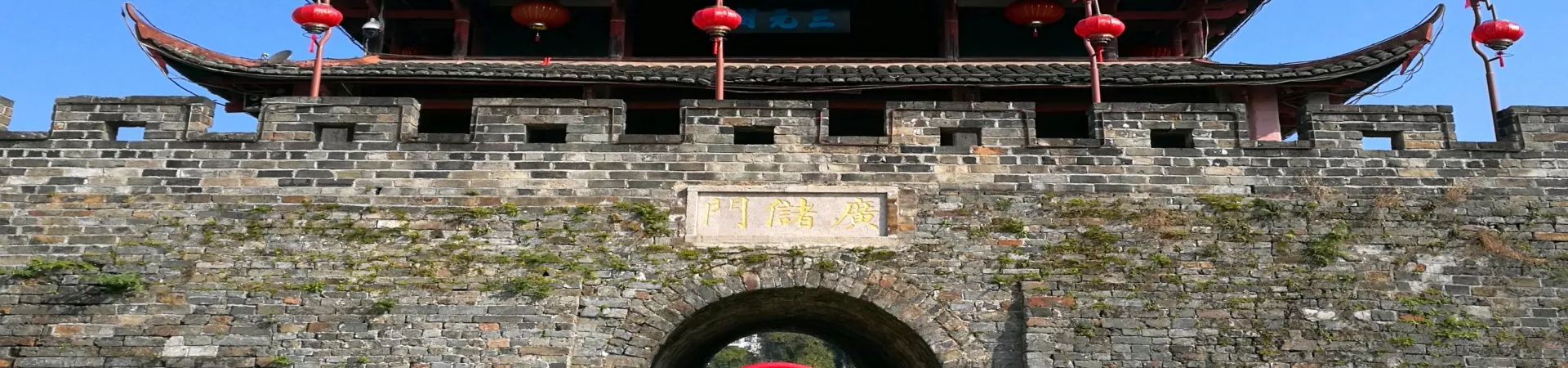
3.1. The Iconic City Wall and Antique Streets The majestic city wall, originally constructed in the Ming Dynasty and stretching for miles, stands as a symbol of Changting's enduring strength. Sections like the Jucheng Gate offer panoramic views of the traditional black-tiled roofs and the meandering river. Within the walls, the ancient streets—such as Dongmen Street and Nanmen Street—are the town's lifeblood. These flagstone-paved lanes are flanked by exquisite examples of Ming and Qing dynasty architecture, featuring distinctive upturned eaves, wooden façades, and intricate carvings that speak of Hakka artistic sensibility.
3.2. Unique Hakka Dwellings: The "Tulou" Connection While the monumental Fujian Tulou (earthen buildings) are found in the countryside, Changting showcases the urban architectural genius of the Hakka people. The town is dotted with large, multi-family courtyard complexes known as tingzi or ancestral hall houses. Structures like the "Ancient Dwelling of the Zhus" represent this style, with symmetrical layouts, central courtyards for communal living, and sophisticated drainage systems. These dwellings illustrate the Hakka values of clan solidarity, defense, and harmony with nature.
3.3. Sacred and Cultural Sites * Temple of the South Chan Monastery (Nanchan Temple): This serene Buddhist temple, with its ancient trees and tranquil atmosphere, provides a spiritual respite and a glimpse into the region's religious heritage. * Changting Museum (Fujian Soviet Museum): Housed in a historic building, this museum is essential for understanding the dual identity of Changting. Its exhibits comprehensively detail the town's revolutionary history and its central role in Hakka migration and culture. * The Ancient Academy: Reflecting the deep Hakka respect for education and scholarship, this well-preserved academy was once a center for Confucian learning and civil service examination preparation.
4. The Living Culture: Experiences Beyond the Stones and Walls
4.1. Hakka Culinary Delights A visit to Changting is incomplete without indulging in its authentic Hakka cuisine, known for its hearty, savory flavors. Local must-try dishes include: * Changting Tofu Balls: These are not soft, but crispy, airy balls made from mashed tofu and minced meat, deep-fried to golden perfection. * White Steamed Otter Fish: A simple yet exquisite dish highlighting the fresh river fish, steamed with ginger and scallions to preserve its delicate flavor. * Hakka Rice Noodles (Banmian): Chewy, broad noodles served in a flavorful broth, often topped with minced pork and mushrooms. * Stuffed Tofu (Yong Tau Foo): Tofu cubes stuffed with a savory filling of meat and herbs, braised in a rich sauce.
4.2. Crafts and Local Life Strolling through the market streets, you'll encounter artisans practicing traditional crafts. The vibrant local market is a sensory feast, offering everything from handmade bamboo wares to local agricultural products. Engaging with shopkeepers and residents, many of whom are direct descendants of the original Hakka settlers, offers a warm, personal connection to the town's living heritage. The gentle rhythm of daily life along the Ting River—fishermen at work, locals washing vegetables by the steps, elders chatting in the shade—presents a picture of timeless continuity.
4.3. The Night Ambiance As dusk falls, the ancient town transforms. Lanterns illuminate the eaves and reflect off the wet flagstones, casting a magical, golden glow. The bustling daytime energy mellows into a peaceful, atmospheric charm. An evening walk along the riverfront or through the softly lit lanes is an ethereal experience, making the option of staying overnight in a local guesthouse within the ancient town highly rewarding. This allows you to witness the quiet dawn and experience the authentic rhythm of Changting, a profound encounter with history that is both preserved and perpetually alive.