Yaobu Ancient Town
Subtitle: A Living Tapestry of Culture and History on the Liujiang River
Introduction: The Phoenix of the Liujiang
Nestled on the southern bank of the serene Liujiang River, Yaogu Ancient Town stands not merely as a tourist destination, but as a profound urban renaissance project. Its core philosophy, "Reviving the rustic charm of old Yaogu Town and restoring the former prosperity of its ancient port," guides a meticulous reconstruction that transcends simple replication. This ambitious undertaking seeks to weave together the vibrant threads of the region's diverse ethnic cultures, presenting a living, breathing tapestry where nature, history, society, and harmonious human habitation converge. More than just a collection of buildings, Yaogu is envisioned as柳州 (Liuzhou)'s future cultural flagship—a dynamic new名片 (name card) that honors the past while energizing the present.
Concept & Vision: A Symphony of Harmony
The master plan for Yaogu Ancient Town is a deliberate and thoughtful composition. It moves beyond architectural recreation to foster a holistic environment. The primary goal is to showcase the unique local characteristic of multi-ethnic co-prosperity and coexistence. Here, the legacy of the ancient trading port is interlinked with the living traditions of the Zhuang, Miao, Yao, and Dong peoples. Every element, from the cobblestone pathways to the layout of communal spaces, is designed to reflect an overarching integrity and harmony. This approach ensures that a visit to Yaogu is an immersive journey into a culturally rich and aesthetically unified landscape, where history feels tangible and contemporary life flourishes within a historical context.
Exploring the Town: Two Distinct Realms
The town is thoughtfully organized into two primary, interconnected zones, each offering a distinct flavor and experience: the Ancient Port Commercial District and the Dong Village Cultural Theme Park.
1. The Ancient Port Commercial District: A Bustling Crossroads of Heritage
This district recreates the lively atmosphere of the historic wharf, once a hub of commerce and exchange. It is subdivided into several thematic streets, each celebrating a specific ethnic group and their contributions to the region's tapestry.
- 1.1 Zhuang Ethnic Style Street: As the largest ethnic group in Guangxi, the Zhuang influence is foundational. This street likely features architecture and crafts that reflect their rich agricultural heritage, distinctive bronze drum culture, and vibrant brocade (Zhuang Jin) textiles.
- 1.2 Miao Ethnic Style Street: Known for their exquisite silver jewelry, elaborate embroidery, and lively festivals, the Miao culture adds a layer of dazzling artistry. Visitors can expect to encounter the sights and sounds associated with their unique traditions and craftsmanship.
- 1.3 Yao Ethnic Style Street: The Yao people, often recognized for their vibrant and intricately embroidered costumes, bring their own distinct history and customs. This area offers insights into their community life and artistic expressions.
- 1.4 Riverside Leisure Pedestrian Street: Lining the picturesque Liujiang River, this street provides a tranquil counterpoint. It's the perfect place for a leisurely stroll, to enjoy a coffee or local tea while watching river traffic, and to absorb the panoramic views of the water and the town's skyline.
1.5 Cultural Anchors of the District Interspersed within these vibrant streets are significant public cultural institutions that deepen the historical understanding:
- Guangxi Opera Museum: Dedicated to the art of Guiju, the principal operatic form of Guangxi, this museum preserves the history, costumes, masks, and musical instruments of this traditional performing art.
- Theatrical Stage: A central platform for live performances, where the echoes of Guiju opera, ethnic songs, and dances bring the town's cultural mission to life.
- Guangxi Folk Customs Museum: This institution serves as a repository for the material culture of the region's various ethnic groups, displaying artifacts related to daily life, rituals, clothing, and crafts.
- Wenchang Pavilion: A traditional structure dedicated to Wenchang, the Taoist deity of literature and culture. Such pavilions symbolize a commitment to scholarship, wisdom, and the civil arts, adding a layer of historical-literary significance to the town.
2. The Dong Village Cultural Theme Park: An Immersion in Architectural Grandeur
This zone offers a focused, immersive experience into the world of the Dong ethnic minority, renowned for their extraordinary wooden architecture built without nails.
- 2.1 Drum Tower Square: The undeniable heart of any Dong community. The Drum Tower, a towering, pagoda-like structure of interlocking wooden beams, is a masterpiece of carpentry. It functions as the village's meeting hall, ceremonial center, and symbol of social unity. The square surrounding it is a space for gathering, celebration, and experiencing large-scale Dong cultural performances.
- 2.2 Dong Folk Dwellings Cluster: Surrounding the square is a collection of traditional Dong houses, typically stilted wooden structures with sweeping, upturned eaves. Exploring this cluster allows visitors to appreciate the ingenuity and aesthetic of Dong domestic architecture and envision traditional community life.
Visitor Information: Planning Your Journey
- Admission: Complimentary. The town is an open-access urban cultural park.
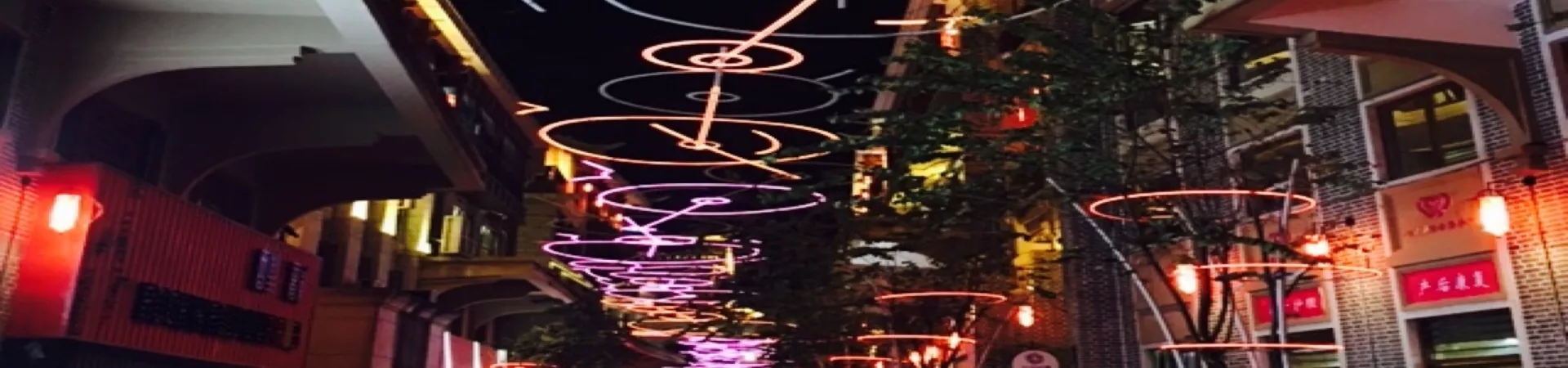
- Operating Hours: Open 24 hours a day, year-round. The atmosphere transforms from the bustling energy of daytime exploration to the enchanting, lantern-lit serenity of evening.
- Best Time to Visit: While accessible anytime, evenings are particularly magical as buildings and streets are illuminated. Visiting during traditional ethnic festivals (dates vary annually) could offer chances to witness special ceremonies and heightened cultural activities.
- Contact: For specific inquiries, you may reach out at +86 772 262 1111.
Getting There:
- By Public Bus: A convenient and economical option. Take bus routes 101, 12, or 48 and alight at the "Yaogu Street Primary School (窑埠街小学)" bus stop. From there, the entrance to the ancient town is within a short and easy walking distance.
Yaogu Ancient Town, upon its completion, is poised to be far more than a static museum piece. It is designed as a vibrant, living quarter where the historical legacy of a port city seamlessly blends with the enduring, dynamic cultures of Guangxi's ethnic groups. It promises an experience where every corner tells a story, and every street offers a new discovery.