Sanjiang Wind and Rain Bridge
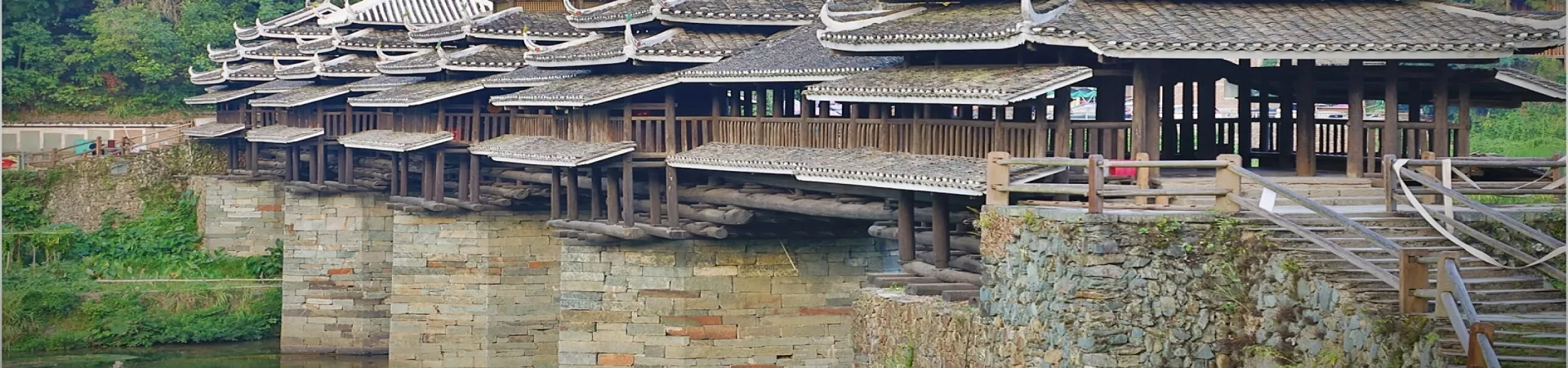
Subtitle: A Timeless Testament to Dong Craftsmanship in Sanjiang, Liuzhou
1. Introduction: The Crown Jewel of Dong Architecture
Nestled within the lush, rolling landscapes of Sanjiang County in Liuzhou City, Guangxi Zhuang Autonomous Region, stands the Chengyang Wind and Rain Bridge. More than a mere river crossing, this structure is a profound symbol of the Dong ethnic minority's ingenuity, spiritual beliefs, and communal life. Also historically known as the Yongji Bridge or Panlong Bridge, it is widely celebrated as the most famous and exquisite example of Dong "Fengyu Qiao" (wind-and-rain bridges) in Guangxi. Its exceptional historical and cultural value is nationally recognized, having been designated as a Major Historical and Cultural Site Protected at the National Level. For any visitor to Guangxi, it serves as an essential gateway into understanding the rich tapestry of China's ethnic minority heritage.
2. Architectural Grandeur and Historical Significance
2.1. Design and Construction Built in 1912, the Chengyang Wind and Rain Bridge is a masterpiece of traditional timber-and-stone architecture. It spans 64.4 meters in length, 3.4 meters in width, and rises 10.6 meters above the tranquil waters of the Linxi River. What appears at first glance to be a simple covered bridge is, upon closer inspection, a complex and elegant structure built entirely without nails or rivets. The construction relies on sophisticated joinery techniques—interlocking wooden beams and brackets fitted together with precision—a testament to the extraordinary skill of Dong craftsmen.
2.2. The "Wind and Rain" Concept The defining feature of this bridge, and others like it in Dong communities, is its covered, pavilion-like design. The bridge is topped by a series of tiered pavilions with sweeping eaves that resemble the wings of a giant bird in flight. These pavilions provide shelter from the elements—the "wind and rain"—offering travelers a shaded, cool place to rest, socialize, and engage in community activities. It transforms a utilitarian infrastructure into a vibrant social space, blurring the line between public works and public living room.
3. Cultural Context and the "Four Uniques"
The Chengyang Bridge cannot be fully appreciated in isolation; it is a central piece of the region's vibrant ethnic mosaic. The area around Liuzhou is renowned for its convergence of diverse cultures, often summarized by the "Four Uniques" of local ethnic customs: the colorful festivals of the Miao people, the antiphonal singing traditions of the Zhuang people, the graceful dances of the Yao people, and the distinctive architecture of the Dong people. The Chengyang Wind and Rain Bridge stands as the quintessential representative of this Dong architectural unique.
3.1. A Hub of Community Life In Dong culture, a wind-and-rain bridge is far more than a corridor over water. It functions as a communal hall, a marketplace, a venue for ceremonies, and a place for elders to converse and for young people to meet. The bridge's interior often becomes a gallery of folk art, and while specific decorations may vary, the sense of a shared, protected space is constant. It embodies the Dong philosophy of harmony with nature and deep communal bonds.
4. Practical Visitor Information
4.1. Location and Access The bridge is the centerpiece of the broader Chengyang Baxi (Eight Villages) scenic area in Sanjiang. This cluster of traditional Dong villages offers a comprehensive cultural experience, with the bridge serving as its most iconic landmark.
4.2. Admission and Opening Hours Access to the Chengyang Wind and Rain Bridge is included in the general admission ticket for the Chengyang Eight Villages. Notably, there is no separate fee for the bridge itself. The scenic area is generally open to visitors from 08:30 to 17:00 daily, with last admission at 17:00. It is advisable to verify the most current ticket prices and hours prior to your visit, as this information is subject to change.
4.3. Suggested Duration To fully experience the bridge—to walk its length, admire the intricate woodwork, observe daily life around it, and photograph its stunning form against the backdrop of mountains and river—a visit of 1 to 3 hours is recommended. Allowing more time enables exploration of the connected Dong villages, where you can see drum towers and traditional stilted houses, providing deeper context for the bridge's cultural role.
5. Experiencing the Bridge
Walking across the Chengyang Wind and Rain Bridge is a step back in time. The sound of footsteps on the worn wooden planks, the cool breeze flowing through the open sides, and the framed views of the surrounding countryside create a serene and contemplative atmosphere. Each pavilion along the bridge offers a slightly different perspective, and the play of light and shadow through the wooden structures is a photographer's delight. The bridge is not a static museum piece; it remains a living part of the community. Visitors may encounter local villagers going about their day, adding a dynamic, authentic layer to the experience. It stands as a powerful, beautiful reminder of a cultural heritage that has been carefully preserved and continues to breathe and function in the modern world.