Longtan Park
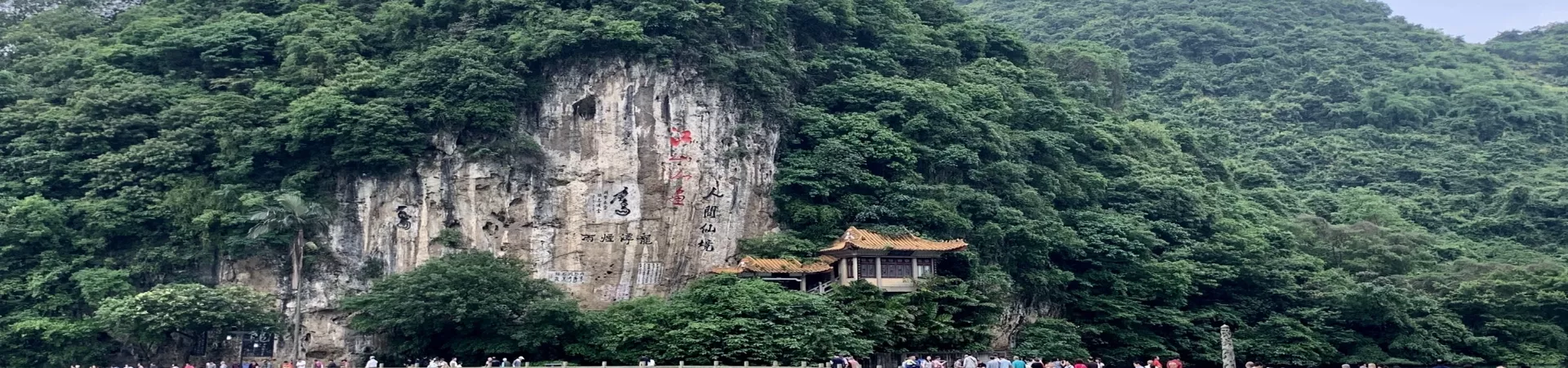
A Visitor's Guide to Longtan Park: Liuzhou's Natural and Cultural Oasis
Nestled in the southern part of Liuzhou city, approximately three kilometers from the bustling downtown, Longtan Park stands as a magnificent testament to nature's artistry and rich cultural heritage. Encompassing a vast planned area of 544 hectares, this expansive scenic zone masterfully integrates the dramatic landscapes of karst topography, the vibrant cultural traditions of Southern China's ethnic minorities, and the scientific and aesthetic wonders of subtropical karst flora. It is far more than just a park; it is a comprehensive experience where geological marvels, botanical diversity, and human history converge.
A Landscape Forged in Stone and Water
The park's soul is defined by its striking karst formations and serene waterways. Lush, verdant forests envelop the area, with twenty-four distinctive peaks—such as the Crouching Tiger Mountain, Beauty Peak, and Peacock Mountain—forming a natural protective barrier and creating a secluded, picturesque world. These limestone hills rise majestically around the park's central aquatic features: one lake and two deep pools.
The Legendary Pools: Longtan and Leitan At the heart of the park's lore are the two famous pools. Beneath the sheer cliff of Leishan Mountain, a crystal-clear spring gushes forth, collecting in the "Longtan" (Dragon Pool). Historically known as "Lei Tang," this pool is mysteriously connected via an underground river to its neighbor, the "Leitan" (Thunder Pool), located just a short distance away. The water, renowned for its clarity and coolness, originates from these deep sources.
The Journey of Water From the Longtan, the water cascades over the dramatic "Eight Dragons Spewing Snow" Dam, creating a lively, frothy spectacle before flowing into the mirror-like Jinghu (Mirror Lake). From here, it meanders through the park like a slithering dragon, adding life and movement to the landscape, before finally disappearing without a trace into a karst cave beneath Penghua Mountain outside the park's boundaries. This mysterious disappearance highlights the active and intricate underground water system typical of karst regions.
A Tapestry of Culture and Botany
Beyond its physical beauty, Longtan Park serves as a living museum of culture and science.
Celebrating Ethnic Minority Heritage The park thoughtfully incorporates elements of the culture of local ethnic minorities, such as the Zhuang and Dong peoples. Visitors may encounter traditional architectural styles like drum towers and wind-and-rain bridges, and during festivals or cultural displays, experience performances of song and dance. This integration offers a glimpse into the enduring traditions that shape the identity of Guangxi and Southern China.
A Sanctuary for Subtropical Karst Flora For plant enthusiasts and casual observers alike, the park is a botanical treasure trove. It functions as a base for research and education on subtropical karst plants. The diverse plant communities that thrive in the unique limestone soil are carefully curated and labeled, turning a stroll through the gardens into an enlightening lesson in ecology and adaptation. The lush greenery that drapes the karst peaks changes with the seasons, ensuring a visually rewarding experience year-round.
Essential Visitor Information
To make the most of your visit, please consider the following practical details.
Getting to the Park Reaching the park is straightforward via public transportation. You can take Public Bus No. 19 and alight at the Longtan Park Bus Stop. The park entrance is within easy walking distance from the stop.
Admission and Opening Hours One of the park's greatest advantages is that it offers free admission to all visitors. It is open daily from 6:30 AM to 10:00 PM. It is always advisable to double-check the official opening times on the day of your visit, as occasional adjustments may occur for maintenance or special events.
Planning Your Visit To fully appreciate the park's scale, natural beauty, and cultural sites, a visit of three hours or more is recommended. This allows ample time for leisurely walks around the lake and pools, exploration of the garden paths, and immersion in the tranquil atmosphere away from the city. Comfortable walking shoes are essential due to the varied terrain.