The Liuzhou Industrial Museum
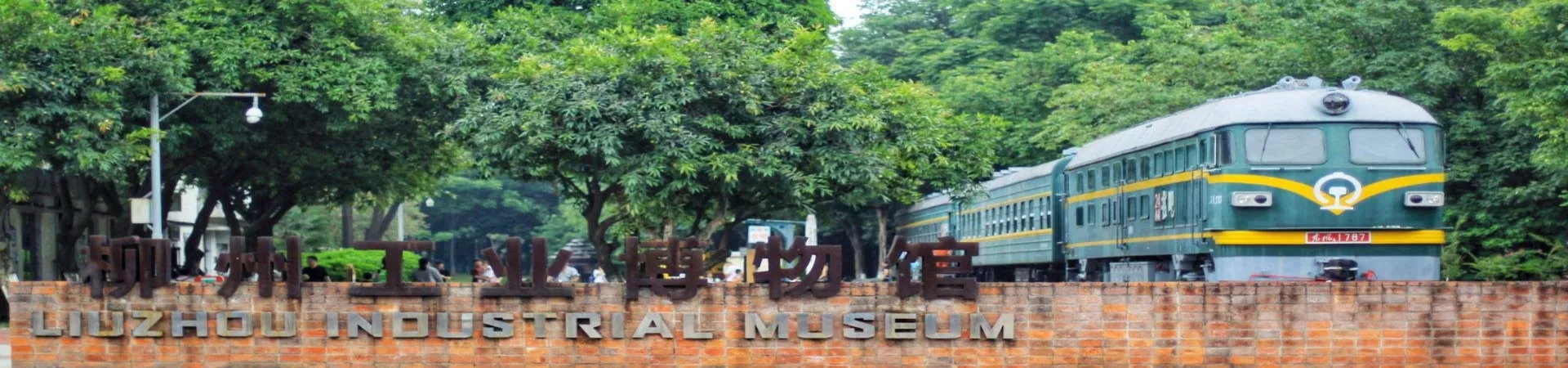
Subtitle: A Journey Through Time: Exploring Liuzhou's Industrial Legacy
1. Introduction Nestled in the heart of Liuzhou, Guangxi, the Liuzhou Industrial Museum stands as a monumental tribute to the city's profound industrial heritage. More than just a repository of artifacts, it is a dynamic cultural complex that masterfully intertwines industrial history exhibition, heritage preservation, scientific education, and leisure tourism. Opened to the public on May 1, 2012, it marked a significant milestone as the first comprehensive urban industrial museum in Guangxi, filling a longstanding gap in the region's cultural landscape. The museum's vast scale, covering a total area of nearly 110,000 square meters with a building footprint exceeding 60,000 square meters, provides an expansive canvas to narrate the story of Liuzhou's transformation from traditional craftsmanship to a modern industrial powerhouse. Its collection is impressively robust, featuring 6,224 physical relics of industrial heritage and 11,645 documents and photographs, offering visitors an unparalleled, tangible connection to the past.
2. Museum Layout and Core Exhibitions The museum's indoor exhibition space is intelligently organized into several distinct yet interconnected zones, primarily housed within creatively repurposed historical industrial buildings.
2.1. Main Exhibition Halls The core experience revolves around three principal thematic pavilions and a flexible exhibition space.
2.1.1. Liuzhou Industrial History Hall Housed within a ingeniously renovated two-story former textile workshop, this hall serves as the chronological backbone of the museum. It traces the evolution of Liuzhou's industry from its early 20th-century roots. The exhibition presents a compelling array of small, medium, and large-scale industrial machinery, tools, and end products that were either used or manufactured in Liuzhou since around 1902. Walking through this space, visitors embark on a journey through time, witnessing the technological shifts and industrial milestones that shaped the city's economic identity, all within the authentic architectural shell of its industrial past.
2.1.2. Liuzhou Enterprise Showcase Hall This unique gallery occupies a former single-story sawtooth-roof textile mill, an architectural form iconic to early industrial design. The curators have meticulously preserved the hall's historical essence, retaining original architectural features, vintage production charts, and period slogans on the walls. Within this authentic setting, the exhibition highlights the achievements, innovations, and stories of Liuzhou's key enterprises. It celebrates the human and corporate spirit behind the machines, providing context to the industrial landscape presented in the History Hall.
2.1.3. Ecological Livable City Hall Moving beyond pure industrial narrative, this hall addresses a critical contemporary theme: the harmonious coexistence of industry and ecology. It explores Liuzhou's ongoing efforts and strategies in environmental protection, urban planning, and sustainable development. The exhibition underscores how a city with a strong industrial base has actively worked towards creating a green, livable environment for its citizens, presenting a forward-looking perspective on post-industrial urban life.
2.2.机动展厅 (Flexible Exhibition Hall) This additional space hosts temporary and special exhibitions, allowing the museum to present rotating topics, contemporary art related to industry, or in-depth features on specific technological themes. This ensures that repeat visitors always have something new to discover.
3. Practical Visitor Information To facilitate a seamless visit, please note the following essential details.
3.1. Admission and Hours * Admission Fee: The museum offers free admission to all visitors. * Opening Hours: * Tuesday to Sunday (January 1 - December 30): 09:00 - 17:00. Last entry is at 16:00. * Mondays (January 1 - December 30): The museum is closed all day. * Special Period (December 31 - January 2): Open daily from 09:00 - 17:00 (last entry 16:00).
3.2. Location and Transportation The museum is conveniently accessible by public bus. Visitors can take Bus No. 12, 48, or 59 and alight at the "Industrial Museum (Gongye Bowuguan)" bus stop. The museum is within a short walking distance from the stop.
3.3. Suggested Visit Duration A comprehensive tour of the main exhibitions typically requires between 1 to 3 hours, depending on your level of interest in the detailed displays and collections.
4. The Museum's Significance and Experience The Liuzhou Industrial Museum's greatest strength lies in its authentic atmosphere. By situating its collections within actual former industrial workshops, it creates a powerful sense of place that sterile, modern buildings could not achieve. The preserved sawtooth roofs, the scale of the spaces, and the careful integration of historical remnants like factory floor markings and old signage allow visitors to almost hear the echoes of machinery and industry. It transcends being a mere display case; it is an immersive environment where one can appreciate the sheer physicality of industrial labor and innovation.
The collection itself, ranging from massive forging presses to delicate manufactured components and extensive archival photography, tells a multifaceted story. It speaks not only of technological progress but also of the social and economic changes that accompanied industrialization in this region of China. The inclusion of the Ecological Livable City Hall is a particularly thoughtful addition, prompting reflection on the environmental legacy of industry and the modern city's responsibility towards sustainable future. Ultimately, a visit here is an educational and evocative experience, offering deep insights into the engine that drove Liuzhou's development and the ongoing dialogue between its industrial past and its aspirations for the future.
Information last updated: August 2, 2023. Credit for contributions extends to user-generated content platforms and their participating editors.