Confucian Temple of Liuzhou
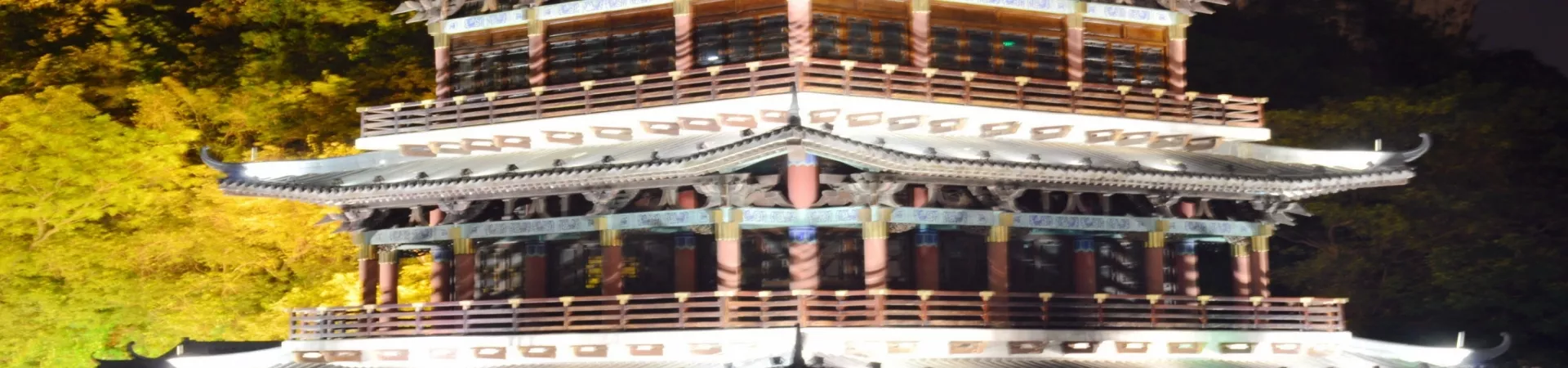
Subtitle: A Journey Through Time: Exploring Liuzhou Confucian Temple, a Revived Beacon of Culture and Learning
1. Introduction: A Phoenix Rising from the Ashes Nestled within the vibrant city of Liuzhou in Guangxi, China, the Liuzhou Confucian Temple (Liuzhou Wenmiao) stands not merely as a static historical monument, but as a profound narrative of resilience, reverence for knowledge, and cultural renaissance. Its story is one of cyclical destruction and rebirth, culminating in its present form as both a majestic temple complex and the Liuzhou Confucianism Museum. A visit here is an immersion into the enduring legacy of Confucian thought, architectural splendor, and the unwavering civic spirit of a city dedicated to preserving its intellectual heritage.
2. Historical Tapestry: From Tang Foundations to Modern Rebirth 2.1. Ancient Origins and Tumultuous Centuries The temple's origins trace back to the early Tang Dynasty, formally established in 628 AD during the Zhenguan era. For over 1,300 years, it served as the central sacred space for venerating Confucius and promoting scholarly pursuits in the Liuzhou region. However, its journey was far from tranquil. Historical records indicate it underwent numerous relocations, repairs, periods of decline, and revivals, mirroring the dynastic cycles and social changes of imperial China. This long chapter of endurance met a seemingly final, catastrophic end in 1928 when a great fire consumed the structure.
2.2. The 21st Century Renaissance The temple's story, however, was destined to continue. In a remarkable testament to the city's cultural commitment, a comprehensive reconstruction project was undertaken. In 2010, the new Liuzhou Confucian Temple, simultaneously designated as the Liuzhou Confucianism Museum, was inaugurated. This was not a simple replication but a magnificent rebirth. The reconstructed complex instantly became a landmark, showcasing traditional Chinese architectural philosophy on a grand scale and breathing new life into the ancient site.
3. Architectural Grandeur and Museum Collections 3.1. Scale and Layout The statistics of the rebuilt temple are staggering and immediately communicate its significance. Encompassing approximately 98.33 acres (about 65,000 square meters) with a total floor area reaching 10,000 square meters, the complex ranks as the fourth largest Confucian temple in China by overall scale. The layout meticulously follows traditional temple design principles, progressing through a series of courtyards, gates, and halls along a central north-south axis, guiding visitors on a symbolic journey towards wisdom and enlightenment.
3.2. Design and Aesthetic Features The architecture is a breathtaking symphony of form and color. Soaring upturned eaves adorned with intricate dougong brackets, vibrant beams painted in vermilion, green, and gold, and gleaming glazed tiles create a visually spectacular ensemble. The use of space, symmetry, and decorative motifs embodies the harmony and order central to Confucian ideology. At night, the temple transforms under carefully designed illumination, its outlines and details "glowing with flowing colors," offering a completely different yet equally mesmerizing atmosphere.
3.3. The Confucianism Museum Integration Housed within the temple complex, the Liuzhou Confucianism Museum is an integral part of the experience. It moves beyond the architectural shell to delve into the intellectual core. Its exhibitions likely feature historical artifacts, ancient texts, interpretive panels, and multimedia displays that explore the life and teachings of Confucius, the development of Confucian philosophy through the ages, and its profound impact on Chinese society, education, and governance. This museum component provides essential context, transforming the visit from purely aesthetic appreciation to a deeper educational engagement.
4. Practical Visitor Information 4.1. Operating Hours The temple offers two distinct visiting experiences: * Daytime Access: Open from 9:30 AM to 4:30 PM, with last admission at 4:00 PM. * Night Viewing: Open from 7:30 PM to 10:00 PM, with last admission at 9:30 PM. These hours apply from Tuesday to Sunday throughout the year. The complex is typically closed to the public on Mondays, unless Monday coincides with a national public holiday, in which case it may open and close on the following Tuesday instead. It is always advisable to confirm the schedule slightly in advance of your visit.
4.2. Admissions and Tips * Ticketing: While specific fee details are subject to change and should be verified directly with the scenic area, most cultural sites in China have a modest admission fee. The temple complex likely offers separate or combined tickets for architectural access and museum entry. Inquiring directly at the ticket office or checking the venue's official online channels prior to your visit is recommended for the most current pricing. * Visitor Recommendations: To fully appreciate both the serene daytime ambiance and the dazzling nocturnal spectacle, planning a visit that spans the late afternoon into the evening can be highly rewarding. Comfortable walking shoes are essential for exploring the extensive grounds. As a site of cultural and historical importance, visitors are encouraged to maintain a respectful demeanor. Photography is generally permitted throughout the outdoor areas and most museum spaces, making it a photographer's paradise, especially during the golden hour and at night.
5. Cultural Significance and Experience The Liuzhou Confucian Temple transcends its physical boundaries. It functions as a dynamic cultural hub, a center for academic exchange, and a serene oasis in the urban landscape. It hosts ceremonial activities during significant dates like Confucius's birthday, cultural festivals, and educational programs. For the visitor, it offers a multifaceted experience: the awe inspired by its monumental architecture, the contemplative peace found in its orderly courtyards, the knowledge gained within its museum, and the poignant connection to a scholarly tradition that has shaped civilization. It stands as a powerful symbol of how contemporary China actively engages with and revitalizes its ancient cultural roots, making it an indispensable destination for anyone seeking to understand the historical depth and cultural vitality of Liuzhou and the wider region.