Chengyang Dong Ethnic Eight Village Scenic Area in Sanjiang County
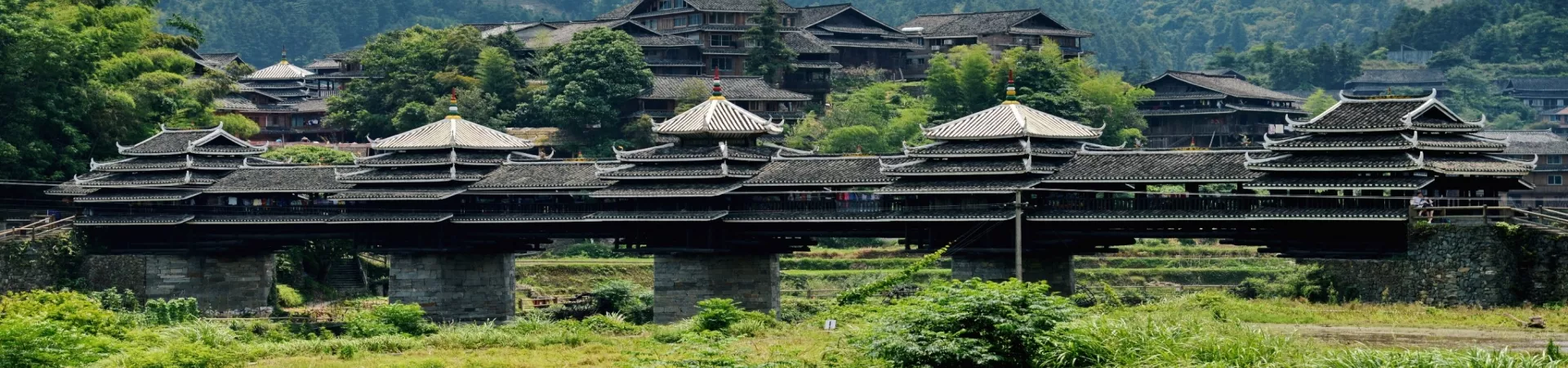
Subtitle: A Journey into the Heart of Dong Culture: Chengyang Bazhai Scenic Area
1. Introduction to the Region Nestled within the lush, rolling landscapes of Sanjiang County in Liuzhou City, Guangxi Zhuang Autonomous Region, lies the Chengyang Bazhai Scenic Area. Encompassing approximately 12.5 square kilometers, this expansive area stands as the largest and most significant tourist destination in Sanjiang County. It holds the distinguished honor of being among "China's First Batch of Landscape Villages," a testament to its harmonious blend of breathtaking natural scenery and profound cultural heritage. Primarily, it is celebrated as a premier ethnic cultural tourism site, offering an immersive window into the life, architecture, and traditions of the Dong people.
2. The Essence of the Eight Villages The scenic area derives its name, "Chengyang Bazhai" (Chengyang Eight Villages), from the cluster of eight natural Dong villages that form its core. These villages are not merely a collection of buildings but represent a living, breathing community where ancient customs and daily life intertwine seamlessly. Visitors walking through these settlements are transported into a world defined by intricate wooden architecture, communal spirit, and a deep reverence for nature and ancestry. The landscape is a picturesque tapestry of terraced fields, winding paths, and serene waterways, all framed by the iconic structures of the Dong nationality.
2.1. Architectural Marvels: Wind and Rain Bridges The most iconic features of the Dong culture are magnificently displayed here through a collection of exquisite "Wind and Rain Bridges" (Fengyu Qiao). These are not mere river crossings; they are multi-functional pavilions, combining bridge, corridor, veranda, and tower into one elegant wooden structure. They serve as sheltered communal spaces for rest, social gathering, and celebration.
2.1.1. The Crown Jewel: Chengyang Yongji Bridge The undisputed centerpiece is the Chengyang Yongji Bridge. This is no ordinary bridge. It is revered as one of the "Four Great Historical Bridges of the World" and is designated as a Major National Historical and Cultural Site under state protection. Built entirely of wood without nails, using only ingenious joinery techniques, its imposing structure with multiple pavilions is a masterpiece of Dong engineering and artistic expression. It symbolizes the wisdom and cohesive spirit of the Dong people.
2.1.2. Other Notable Bridges Complementing the Yongji Bridge are other beautiful examples such as Helong Bridge, Puxiu Bridge, and Wanshou Bridge. Each possesses its own unique character and architectural details, contributing to the area's enchanting atmosphere. The gentle sound of water flowing beneath their piers is a constant, soothing accompaniment to a visitor's exploration.
2.2. The Pillars of Community: Drum Towers and Stilted Houses Equally fundamental to the village skyline are the Drum Towers. These tall, pagoda-like wooden towers are the symbolic and physical heart of each Dong village. Used for meetings, ceremonies, and receiving guests, their intricate, tiered roofs soar towards the sky. The number of tiers often holds symbolic meaning, representing the village's aspirations and values. Surrounding these towers are countless traditional Dong dwellings: the stilted wooden houses (Diaojiaolou). Built on wooden pillars, these houses are perfectly adapted to the local humid climate and mountainous terrain. Their weathered wooden facades and grey-tiled roofs create a harmonious and timeless streetscape.
2.3. Traditional Landscapes: Ancient Waterwheel Groups Adding to the pastoral charm are ancient waterwheel groups. These wooden wheels, turned by the flowing river, are traditional irrigation devices that have sustained the local agriculture for generations. Their rhythmic creaking is a nostalgic sound that connects the present to a centuries-old way of life.
3. Practical Visitor Information To facilitate a smooth and enjoyable visit, please note the following practical details.
3.1. Admission and Operating Hours The scenic area is open daily from 08:00 to 17:30 throughout the year. Admission fees are as follows: * Scenic Area Ticket: 60 RMB per person. * Sightseeing Shuttle Bus (optional): 15 RMB per person. This shuttle can be helpful for navigating the considerable area between some village entrances and core sites.
3.2. Suggested Duration and Contact A full day is highly recommended to adequately explore the eight villages, appreciate the bridges and architecture at a leisurely pace, and absorb the local atmosphere. Rushing through would mean missing the essence of this cultural sanctuary. For any inquiries prior to your visit, you may contact the scenic area at 0772-8623227.
4. The Immersive Experience A visit to Chengyang Bazhai is more than sightseeing; it is a cultural immersion. Beyond the static beauty of the architecture, the area pulses with life. Visitors may witness Dong women weaving intricate textiles, hear the polyphonic grandeur of the Dong Grand Choir—a UNESCO Intangible Cultural Heritage—or encounter locals engaged in their daily routines. The opportunity to taste Dong cuisine, such as sour fish and sticky rice, further enriches the experience. Whether witnessing the morning mist rise over the Yongji Bridge or seeing the drum towers illuminated by the evening light, the scenic area offers profound moments of connection with a resilient and artistic culture preserved for centuries.