Yani Wetland Park
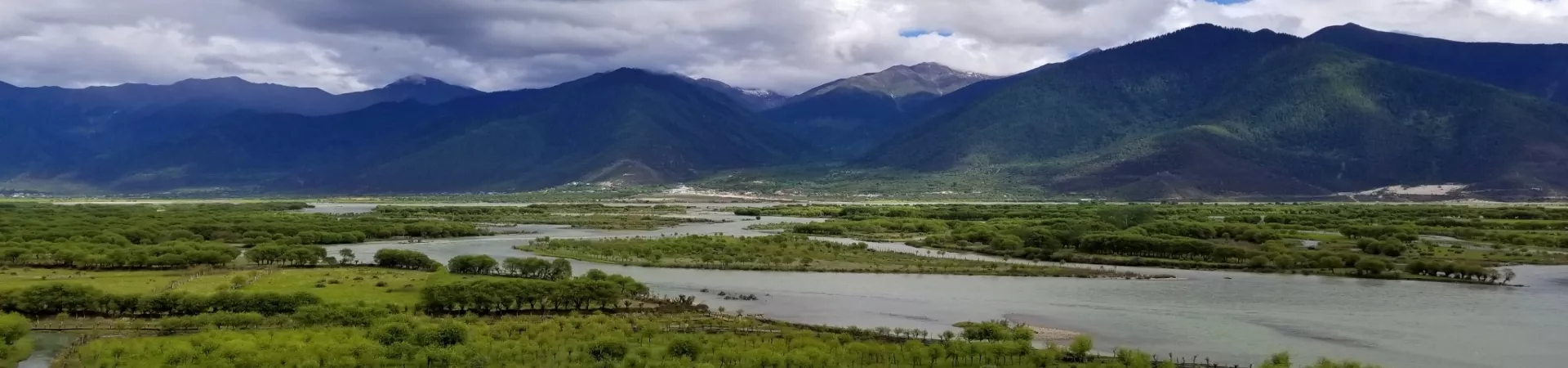
Subtitle: A Journey into the Heart of Yunnan's Hidden Ecological Treasure
1. Introduction: The Lure of the Lancang Nestled in the southwestern frontier of Yunnan Province, where China meets Myanmar, lies a realm of serene waters, lush greenery, and profound cultural harmony—the Yanni National Wetland Park in Lincang. Far from the well-trodden tourist circuits, this park is not merely a scenic area but a vital, breathing ecosystem centered around the majestic Lancang River (which becomes the Mekong). It represents a rare and successful model where robust ecological conservation intertwines seamlessly with the sustainable livelihoods of local communities. For the discerning traveler, it offers an unparalleled opportunity to immerse in a landscape where nature's symphony plays undisturbed, and ancient cultures continue to thrive along the riverbanks.
2. The Ecological Tapestry: A Biodiverse Sanctuary
2.1. A Vital Watery Realm The core of Yanni National Wetland Park is its complex and dynamic wetland system. This includes permanent rivers, seasonal floodplains, reservoirs, and terraced rice paddies that cascade down the hillsides. These wetlands act as the "kidneys" of the region, purifying water, regulating floods, and maintaining the regional climate. The Lancang River, the park's lifeline, carves its way through the terrain, creating habitats that support an astonishing array of life.
2.2. Flora: A Verdant Mosaic The park's vegetation forms a layered green mosaic. Along the riverbanks and in the marshlands, one finds dense stands of reeds, sedges, and aquatic plants. The surrounding hills are clothed in subtropical evergreen broad-leaved forests and, in higher elevations, resilient pine forests. This rich botanical diversity stabilizes the soil, provides food and shelter for wildlife, and paints the landscape in countless shades of green throughout the year.
2.3. Fauna: A Haven for Rare Species Yanni is a critical sanctuary for wildlife, particularly birds. It is a designated node on the East Asian-Australasian Flyway, a superhighway for migratory birds. Ornithologists and birdwatchers can delight in spotting rare species such as the majestic Black Stork, the elegant River Tern, and the striking Pied Kingfisher. Beyond birds, the wetlands and forests are home to various fish species in the river, amphibians in the marshes, and small mammals in the woodlands, creating a complex and interdependent food web.
3. Cultural Harmony: People as Part of the Ecosystem
3.1. The Dance of Terrace and Water Human presence here is ancient and ecological. The most striking evidence is the breathtaking Hongshan Rice Terraces. Carved into the mountains over generations by the local Wa, Dai, and Lahu people, these terraces are a masterpiece of agricultural engineering and a living part of the wetland system. They slow down water runoff, prevent erosion, and create a stunning visual spectacle—especially when filled with water, reflecting the sky like thousands of layered mirrors.
3.2. Sustainable Traditions and Village Life The ethnic villages dotting the park, such as those in Mengmeng and Mengding townships, are integral to its character. Communities here have lived in sustainable balance with the wetland for centuries. Their traditional farming practices, water management, and respect for nature are embedded in their culture. Visitors may witness age-old customs, vibrant festivals, and a way of life deeply connected to the rhythms of the river and the land.
4. Experiencing Yanni: A Visitor's Guide
4.1. Key Activities and Sightseeing * Scenic Drives and Overlooks: The park offers stunning vantage points, like the Mengmeng Viewing Platform, providing panoramic views of the Lancang River winding through the terraced valleys. * Birdwatching Expeditions: Guided birdwatching tours, especially during migration seasons (spring and autumn), offer chances to observe the park's avian wonders with expert local insight. * Cultural Immersion Visits: Exploring traditional villages allows for an understanding of local architecture, handicrafts (like weaving), and daily life. Engaging with community-led tourism initiatives directly supports conservation. * Photography Trails: From sunrise over the misty Hongshan Terraces to the golden hour light on the Lancang River, the park is a paradise for landscape and cultural photographers.
4.2. Practical Information for Travelers * Best Time to Visit: The park is year-round, but each season has its charm. Spring (March-May) brings blooming flowers and active birds. Autumn (September-November) offers clear skies and golden-hued terraces post-harvest. The terraces are most photogenic when flooded, typically before planting in late spring. * Accessibility: The park is located approximately 40-60 kilometers from Lincang city center. The journey involves travel by road, offering scenic views of the Yunnan countryside. Having a private vehicle or arranging a local guide/driver is highly recommended for flexibility. * Preservation Ethic: As a protected national wetland park, visitors are urged to practice strict "leave no trace" principles. This includes staying on designated paths, disposing of waste properly, minimizing noise to avoid disturbing wildlife, and respecting local customs and private property in villages. The park's beauty and ecological integrity depend on responsible tourism.
In essence, Yanni National Wetland Park is a destination that demands a slower pace and a observant eye. It is a place to listen to the flow of the Lancang, watch a stork glide over a terrace, and feel the deep, enduring connection between a land and its people. It is less an attraction to be checked off a list and more an environment to be thoughtfully experienced—a testament to the enduring beauty of ecological and cultural symbiosis.