Wengding Primitive Tribe
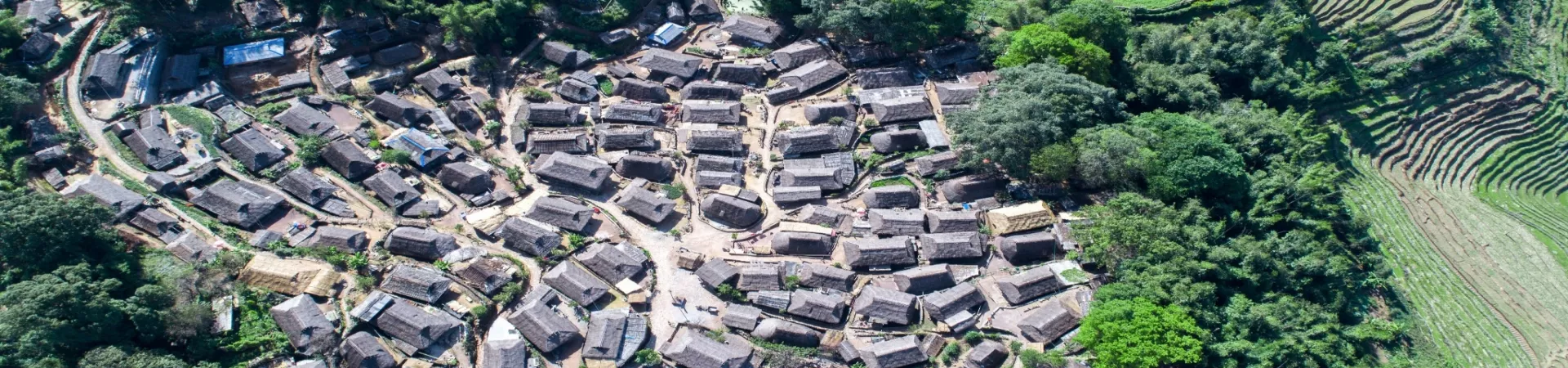
Subtitle: A Journey into the Heart of the Wa Culture
1. Introduction: The Village in the Clouds Nestled in the misty, rolling mountains of Cangyuan County in China's Yunnan province lies Wengding, a name that poetically translates from the Wa language to "the place where clouds intertwine." Far more than an ordinary village, Wengding is a living museum, a resilient cultural fortress, and one of the best-preserved primitive tribal communities of the Wa people in China. For nearly four centuries, this secluded settlement has clung to its traditions, offering visitors a rare, immersive portal into a way of life governed by ancient customs, animist beliefs, and a profound connection to nature. A visit here is not merely a sightseeing trip but a step back in time, into the very soul of the Wa ethnicity.
2. The Historical and Cultural Tapestry of Wengding 2.1. Origins and Social Structure Wengding's story began approximately 400 years ago with the Yang family, who first established the village. This founding lineage continues to play a central role in the community's social organization. The prestigious position of village chieftain, or "Zhaizhu," is a hereditary title passed down within the Yang clan. This system underscores the deep importance of ancestry and patriarchal lineage in Wa society. The village, centered around Wengding Dazhai (the main stockade), is home to over 500 residents across 97 households, all belonging to the Wa ethnic group. Their sustained isolation has been the key to preserving a unique cultural identity that has elsewhere been diluted by modernity.
2.2. Architectural Layout and Spiritual Geography The layout of Wengding is a physical manifestation of its cultural and spiritual worldview. The village is not a random collection of houses but a carefully organized ecosystem of sacred and communal spaces. * The Village Gate: More than an entrance, the imposing gate acts as a spiritual threshold, symbolizing the boundary between the outer world and the sacred space of the tribe. Its distinctive wooden structure, often adorned with carvings and buffalo skulls (a symbol of wealth and sacrifice), sets the tone for the experience within. * The Sacred Forest and Totem Poles: At the heart of the village stands the "Shenlin," or sacred grove. This untouched patch of forest is believed to be inhabited by "Muyijia," the Wa's most revered deity and the protector of the village. It is strictly forbidden to enter or disturb this area, highlighting the Wa's animist belief that spirits reside in nature. Nearby, intricately carved totem poles, or "Zhaizhuang," stand as central monuments. These poles narrate Wa mythology, commemorate ancestors, and serve as sites for important communal rituals and prayers. * Traditional Stilted Houses: The iconic grass-roofed wooden homes, built on stilts, dominate the landscape. The thatched roofs, resembling the shell of a tortoise, are designed for practical reasons—to withstand heavy rainfall—and are rich in symbolic meaning. The interior is typically divided into living quarters, a central fireplace for cooking and gathering, and a sacred corner for ancestral worship.
3. Practical Information for the Visit 3.1. Getting to Wengding Reaching Wengding is part of the adventure, a journey through the stunning landscapes of southwestern Yunnan. The most common route involves a multi-stage trip: 1. Begin by taking a long-distance bus from Lincang City's main bus station to Cangyuan County. This journey offers scenic views of the region's mountains and valleys. 2. Upon arrival in Cangyuan, transfer to a local bus or a shared minivan heading to Mengjiao Township. 3. From Mengjiao, Wengding village is a short, final leg away. Local taxis or arranged transfers are available for this last segment. It is advisable to check current schedules and consider hiring a local driver for a smoother, more flexible journey.
3.2. Opening Hours and Suggested Duration * Opening Hours: The village is open to visitors daily from 8:00 AM to 6:00 PM, with the last admission at 5:30 PM. These hours are consistent throughout the year. * Suggested Visit Duration: To fully appreciate the atmosphere, explore the architecture, observe daily life, and perhaps witness cultural performances, a minimum of 3 hours is recommended. Many visitors choose to spend half a day or more to absorb the pace and spirit of the place without rush.
4. Experiencing the Living Culture A visit to Wengding is about engaging with its vibrant, ongoing traditions. You may have the chance to witness villagers engaging in traditional crafts like weaving. The warmth of the Wa people is often evident, though it is crucial to be a respectful observer, asking permission before taking photographs of residents. While the village maintains its authenticity, cultural performances featuring traditional Wa dancing and music are sometimes organized for visitors, providing a dynamic glimpse into their artistic heritage. The powerful, rhythmic dances and distinctive melodies are unforgettable. Remember, you are a guest in a living community. Respecting local customs, such as not pointing at the sacred poles or entering restricted areas, is paramount to preserving the dignity of this unique culture and ensuring it endorses for generations to come.