Guangyunmian Temple
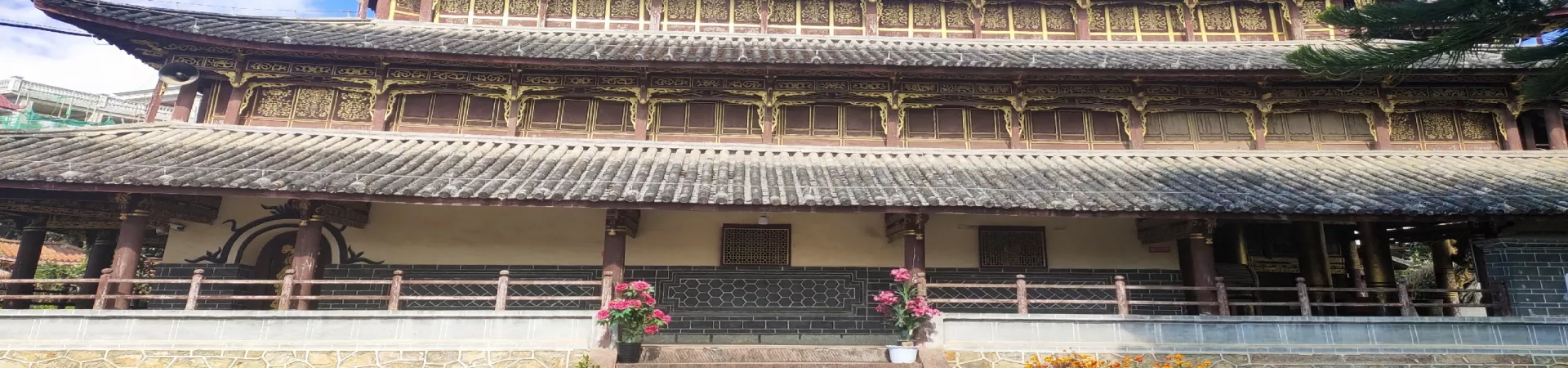
Subtitle: A Fusion of Cultures and Faith in the Heart of Yunnan
1. Introduction to Guangyun Mian Temple
Nestled on the north side of Mengdong Street in Cangyuan County, Lincang City, Yunnan Province, stands the Guangyun Mian Temple, a serene sanctuary whispering tales of cultural confluence and enduring spirituality. More than just a place of worship, this temple, often affectionately called the "School Temple" ("Xuetang Mian Si"), is a living museum of architectural brilliance and artistic heritage. As one of the most significant and well-preserved examples of Theravada Buddhist architecture in the region, it offers visitors a profound glimpse into the harmonious blend of Dai ethnic traditions, Han Chinese architectural influences, and the profound depths of Buddhist philosophy. Its designation as a National Key Cultural Relic Protection Unit underscores its immense historical and cultural value, making it an essential destination for any culturally curious traveler in Yunnan.
2. Architectural Grandeur: A Symphony in Wood and Form
The temple complex, covering approximately 2,200 square meters, is a masterclass in sophisticated wooden architecture. Its layout is elegantly simple, consisting primarily of the main hall and the temple gate, yet the structural details are breathtakingly complex.
2.1 The Structural Composition The core of the temple is its main hall, a magnificent structure measuring 14.8 meters in width and 24.4 meters in depth. It is built using the traditional Chinese chuandou timber framing system, a mortise and tenon technique that allows for great stability and intricate design without the use of nails. What makes this hall truly unique is its ingenious combination of two distinct forms.
2.2 The Hybrid Design The main hall is an architectural hybrid, seamlessly integrating a hip-and-gable roofed hall with three layers of eaves (a style prevalent in Han Chinese architecture) with a square pavilion boasting five tiers of eaves. This fusion is not merely aesthetic; it symbolizes the cultural dialogue between the Dai people and the broader Han Chinese influences. The square pavilion, attached to the front of the main hall, is particularly striking. Its most iconic feature is the exquisitely carved coiling dragons winding around the pillars at its entrance, symbols of power and guardianship in Chinese culture, here protecting a Buddhist sanctum.
3. Artistic Treasures Within: Murals and Ambiance
Stepping inside the main hall transports visitors into a world of vibrant color and sacred narrative. The interior stands in beautiful contrast to the more formal external Han-influenced structure, showcasing classic Dai temple artistry.
3.1 The Vivid Wall Murals The walls and the intricately constructed caisson ceiling (zaojing) are adorned with original, well-preserved color paintings. The most significant artistic treasures are the ten large murals on the interior walls, covering a total area of 48 square meters. These murals are in a remarkable state of preservation, their colors still vivid and details clear.
3.2 Themes and Significance The murals primarily depict scenes from Buddhist Jataka tales (stories of the Buddha's previous lives) and serene landscape paintings. These artworks serve a dual purpose: they are devotional tools for teaching Buddhist principles and stunning examples of local painting styles from the Qing Dynasty. The landscapes, often integrated with the religious scenes, reflect a deep reverence for the natural world, a core tenet in both Buddhist and local Dai philosophy. The ambiance inside the hall, dimly lit and filled with the scent of old wood and incense, accentuates the timeless beauty of these paintings, inviting quiet contemplation.
4. Practical Visitor Information
To fully appreciate the tranquility and artistry of Guangyun Mian Temple, a visit of 1 to 3 hours is recommended. This allows ample time to admire the architectural details, study the murals, and absorb the peaceful atmosphere.
4.1 Admission and Opening Hours In a testament to its accessibility as a living cultural site, the temple charges a nominal entrance fee of 2 CNY. It is open to visitors all day, every day, throughout the year (from January 1st to December 31st, Monday through Sunday). This "open all day" policy allows for flexible scheduling, though visiting during daylight hours is essential to properly view the murals and architectural carvings.
4.2 Cultural Context and Etiquette As an active site of Theravada Buddhist practice, visitors are encouraged to observe respectful etiquette. Dress modestly, speak softly within the hall, and avoid touching the murals or sacred objects. Remember that the temple's alternative name, "School Temple," hints at its historical role as a center for religious and cultural education—a role it continues to fulfill for every visitor who walks through its doors. Its location in Cangyuan, a county rich in Dai and Wa ethnic cultures, makes the temple a perfect starting point for exploring the diverse tapestry of life in southwestern Yunnan.