Fengqing Confucian Temple
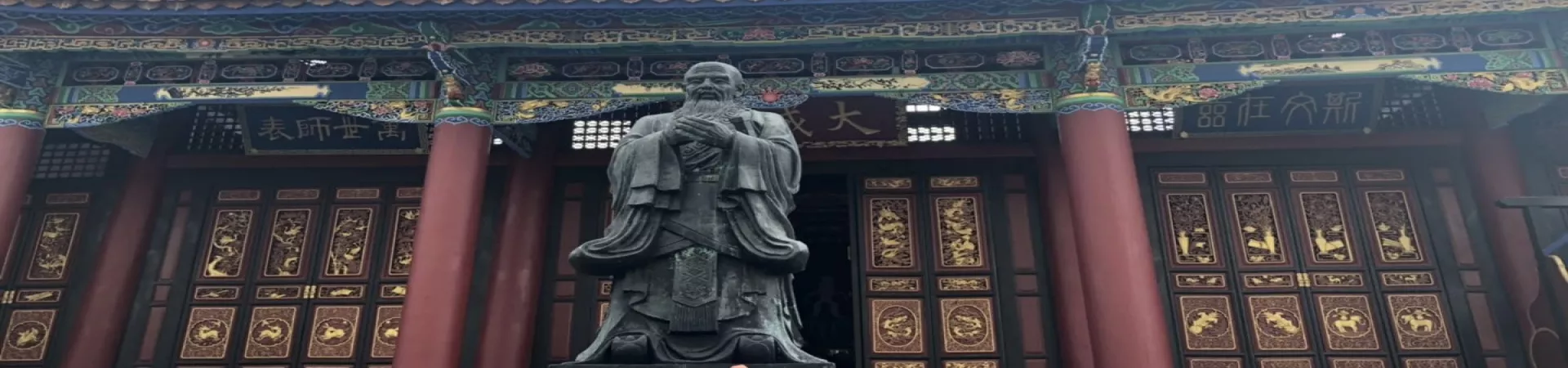
A Detailed Visitor's Guide to Fengqing Confucian Temple
Nestled within Fengqing County, the Fengqing Confucian Temple stands as a profound tribute to Confucius, the revered pioneer of traditional Chinese culture and founder of the Confucian school. More than just a collection of ancient structures, it serves as a monumental witness to the region's historical and cultural evolution. As a provincial-level protected cultural heritage site and the second-largest surviving Confucian temple in Yunnan Province, it offers visitors a remarkable journey through time, architecture, and philosophy.
Historical Significance and Development
The temple's story began in the Ming Dynasty, with its initial construction dating back to the 34th year of the Wanli era (1606 AD). Its journey through history saw significant reconstruction during the 8th year of the Qing Dynasty's Kangxi era (1669 AD), culminating in its final completion in the 19th year of the Guangxu era (1893 AD). This span of nearly three centuries of construction and renovation reflects the enduring importance placed on Confucian values and education in the region throughout different dynastic rules. The temple is not merely an architectural relic; it is a symbolic heart of Fengqing's historical civilization. It represents the prosperity and development of local culture over millennia, standing as a testament to a community that has consistently valued scholarship and ethical governance. For history enthusiasts, it is a cherished site where the past feels palpably present.
Architectural Layout and Key Structures
Covering an extensive area of approximately 12,000 square meters, the temple complex is a masterpiece of traditional Chinese temple design, characterized by its rigorous symmetry and hierarchical spatial arrangement along a central north-south axis. This layout symbolizes order and harmony, core tenets of Confucian thought.
The Sacred Axis and Entrance Sequence: The visitor's approach is a carefully orchestrated experience. The journey typically begins at the Lingxing Gate (棂星门), the ornate first gate traditionally reserved for the ceremonial entrance of the virtuous and scholarly. Following this, one encounters the Dragon Gate (龙门), a symbolic passage representing success in imperial examinations and scholarly achievement. The path often leads past the Pan Pond (泮池), a semi-circular pool symbolizing the Confucian tradition of learning.
Core Halls and Pavilions: The architectural procession along the axis leads to the complex's central buildings.
- Dacheng Gate (大成门): This gate serves as the formal entrance to the temple's innermost courtyards, building anticipation for the main hall.
- Dacheng Hall (大成殿): Undoubtedly the architectural and spiritual centerpiece of the complex, the Dacheng Hall (Hall of Great Accomplishment) is where Confucius is primarily honored. The hall is adorned with horizontal inscribed boards bearing profound phrases such as "Sheng Ji Dacheng" (圣集大成, "The Sage Epitomizes Great Accomplishment"), "Si Wen Zai Zi" (斯文在兹, "This Culture Lies Here"), and "Wanshi Shibiao" (万世师表, "Eternal Teacher for All Generations"). Just outside the hall hangs a significant historical artifact: a large bronze bell cast during the Ming Dynasty's Jiajing period, adding an auditory dimension to the site's historical aura.
- Chongsheng Hall (崇圣殿): Located behind the Dacheng Hall, this hall is dedicated to Confucius's ancestors and other eminent Confucian sages, reflecting the deep respect for lineage and philosophical tradition.
- Mingfeng Pavilion (鸣凤阁), also known as Kuixing Pavilion (魁星阁): This elegant multi-story pavilion is dedicated to Kuixing, the deity believed to preside over literary success and examinations. It represents the scholarly aspirations that Confucian education promoted and offers a vantage point within the temple grounds.
Artistic Value and Cultural Importance
The Fengqing Confucian Temple is celebrated for its exceptional architectural artistry and historical research value. The precision of its layout, the craftsmanship evident in its wooden joinery, stone carvings, and glazed tiles, and the harmonious integration of its structures with the ceremonial sequence all speak to a high level of design and skill. It is a quintessential example of late Ming and Qing dynasty Confucian temple architecture in southwestern China.
As a physical microcosm of Fengqing's history, the temple encapsulates the cultural, educational, and spiritual life of the region for hundreds of years. It was consecutively recognized as a sacred site and a county-level protection unit before receiving its current provincial status, underscoring its continuous importance. For the modern visitor, it provides a serene and insightful space to contemplate China's rich philosophical heritage, appreciate ancient architectural ingenuity, and connect with the historical narrative of Yunnan's Fengqing County.
Visitor Information
- Contact: +86 883 4212999
- Opening Hours: The temple is generally open to the public from 9:00 AM to 5:00 PM. However, it is advisable for visitors to check for any specific notices or changes to the schedule during their intended visit period, as opening times may be subject to adjustment for maintenance or special events.