Cangyuan Cliff Painting Valley
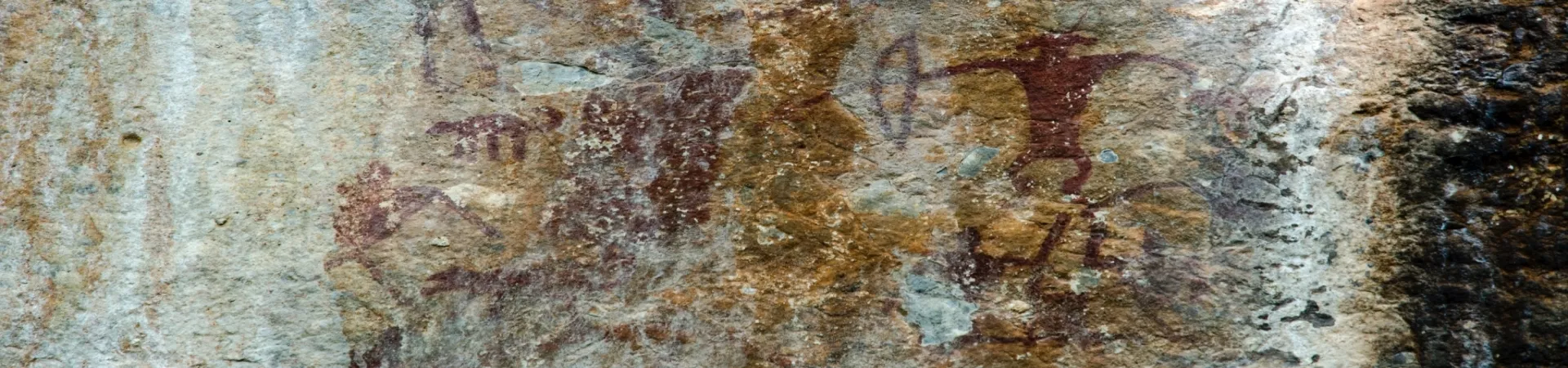
Subtitle: A Journey into Prehistory: Exploring the Cangyuan Cliff Paintings of Yunnan
1. Introduction: A Canvas on the Cliffs
Nestled within the dramatic landscapes of Lincang City in Yunnan Province, China, lies an extraordinary archaeological treasure: the Cangyuan Cliff Paintings. Far from the confines of a museum, this ancient art gallery is dramatically displayed across ten separate cliff faces at altitudes exceeding 2,000 meters above sea level. Located in the Cangyuan Wa Autonomous County, these sites, including Mengsheng, Manpa, Dinglai, and Wuliang, offer visitors a rare and profound connection to the region's earliest known inhabitants. Dating back approximately 3,000 years, these ruddy-hued figures and scenes are not mere decorations; they are a vibrant, silent narrative of a prehistoric culture, etched onto stone by the hands of ancient artists who once called these mountains home.
2. The Artistry and Creation of the Paintings
2.1. Technique and Materials The creation of these paintings speaks to a simple yet enduring technique. The artists likely used their fingers, rudimentary brushes made from feathers, or other natural tools to apply the pigment. The distinctive red color, which has remarkably withstood millennia of sun and rain, is a subject of fascination. Research suggests the "paint" was a carefully prepared mixture, probably consisting of powdered hematite (a red iron oxide mineral) used as a pigment, bound together with a medium such as animal blood. This organic concoction provided both adhesion and a rich, lasting color that continues to tell its story today.
2.2. Style and Aesthetic The artistic style is universally described as robust, unrefined, and powerfully primitive. The figures are typically depicted in a stylized, schematic manner, often in dynamic postures that suggest movement. There is no attempt at realistic perspective or intricate detail, yet the simplicity of the forms conveys a striking immediacy and energy. This raw, unpretentious aesthetic is precisely what makes the paintings so compelling, offering an authentic glimpse into the cognitive and symbolic world of a prehistoric society.
3. Deciphering the Scenes: A Window into Ancient Life
The true value of the Cangyuan Cliff Paintings lies in their rich depictions of daily life, spiritual beliefs, and social organization. They serve as a crucial visual document for understanding the history of ancient ethnic groups in southern China.
3.1. Subsistence and Daily Existence A significant portion of the paintings illustrates the fundamental activities necessary for survival. Vivid scenes of hunting show groups of archers pursuing wild animals, capturing the communal effort and skill required. Similarly, scenes interpreted as gathering or other production activities highlight the intimate relationship between the people and their natural environment. These panels collectively form a pictorial encyclopedia of prehistoric subsistence strategies in this mountainous region.
3.2. Warfare, Celebration, and Social Structure Beyond daily survival, the paintings reveal a more complex social landscape. The so-called "War Victory" scene is particularly notable. It depicts warriors returning triumphantly, brandishing weapons and driving captured livestock such as pigs and sheep. This not only indicates the presence of inter-group conflicts but also suggests organized martial traditions. Furthermore, the inclusion of distinct pile-dwelling (ganlan-style) houses in some compositions provides invaluable evidence of early architectural forms and, by extension, settlement patterns and social cohesion.
3.3. Spirituality and Ritual Interwoven with scenes of earthly life are depictions believed to represent religious or ritualistic practices. Figures shown in what appear to be dancing poses or ceremonial postures are often linked to animistic worship or shamanistic rituals aimed at appeasing deities, ensuring successful hunts, or celebrating harvests. These images are vital for piecing together the spiritual cosmology and ceremonial life of these ancient communities.
4. Practical Information for Visitors
4.1. Location and Access The Cangyuan Cliff Paintings are situated in the remote and culturally rich Cangyuan Wa Autonomous County. The primary viewing areas are accessible from the county seat, though the journey involves mountainous roads. The most accessible and main site for tourists is often the cluster at Mengsheng, which has been developed with walkways and viewing platforms to allow safe and clear observation while protecting the fragile art.
4.2. Admission and Operating Hours To facilitate preservation efforts and site management, a nominal admission fee is charged. * Ticket Price: 12 RMB per person. * Operating Hours: The site is open daily from 8:00 AM to 6:00 PM. * Last Admission: The final entry is at 6:00 PM. Visitors are advised to arrive with sufficient time to explore the site comfortably before closing.
4.3. Tips for a Fulfilling Visit A visit to the cliff paintings is as much about the journey as the destination. The terrain can be uneven, so sturdy walking shoes are essential. The high-altitude sun can be intense, making sunscreen, a hat, and adequate water crucial. Taking time to observe the details slowly, perhaps with the aid of a local guide's explanation, will greatly enrich the experience. The surrounding landscape of terraced fields and Wa villages adds a profound contemporary context, reminding visitors that they are walking through a living cultural continuum that stretches back to the very artists who created the awe-inspiring works on the cliffs above.