Kuixing Building
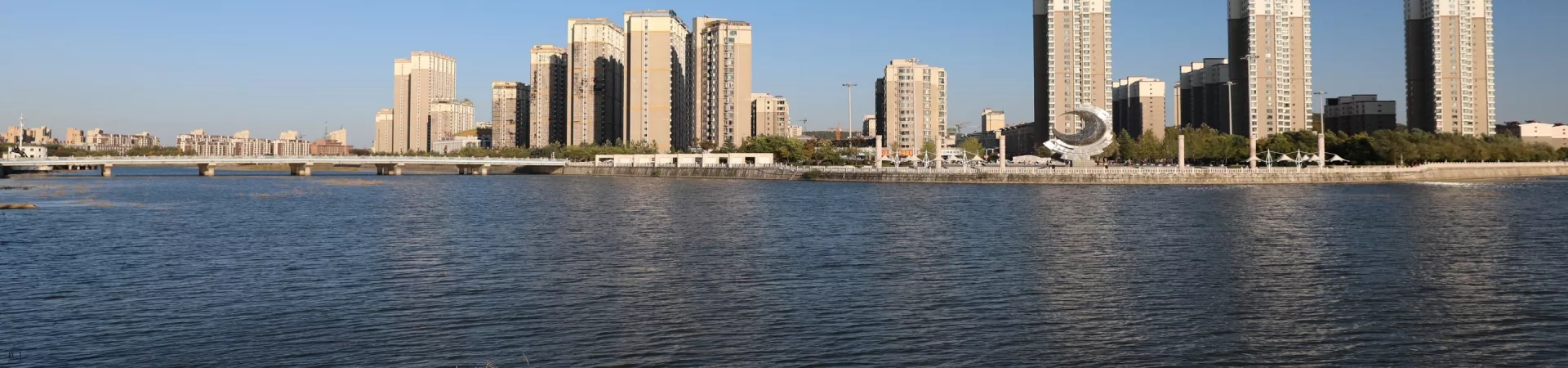
Subtitle: Ascending the Starlit Pagoda: A Journey Through History, Architecture, and Spirituality in Liaoyuan
1. Introduction: The Celestial Beacon of Liaoyuan Rising majestically against the skyline of Liaoyuan City in Jilin Province, the Kuixing Tower (魁星楼) stands not merely as an architectural landmark but as a profound cultural symbol. This towering pagoda, dedicated to Kuixing, the deity of literature and examinations in Chinese mythology, represents a deep-seated reverence for knowledge, scholarly achievement, and celestial blessings. More than just a static monument, it serves as a living bridge connecting the region’s historical aspirations with its contemporary identity, offering visitors a unique opportunity to explore intricate artistry, spiritual traditions, and panoramic vistas from its commanding height.
2. Historical Context and Cultural Significance 2.1 The Legend of Kuixing To understand the tower’s importance, one must first delve into the lore of Kuixing. In Daoist and folk belief, Kuixing is the chief of the "Twenty-Eight Constellations" and the divine patron of scholars and civil examinations. Traditionally depicted as a fierce figure standing on one foot on the head of a giant turtle (Ao), holding a writing brush and a dipper, he was believed to determine the success or failure of candidates in the imperial examinations. Building a tower in his honor was an act of communal prayer for literary talent, academic success, and cultural prosperity.
2.2 The Tower’s Legacy in Liaoyuan While the current structure is a modern reconstruction, its spirit is deeply rooted in local history. The original intention to build such a pagoda reflected Liaoyuan’s historical commitment to education and cultural development. The reconstruction in the late 20th and early 21st centuries was a conscious effort to revive this cultural heritage, re-establishing a physical and spiritual focal point for the city. It stands today as a testament to the enduring value placed on learning and the desire to preserve a tangible link to traditional Chinese cosmological and scholarly beliefs.
3. Architectural Grandeur and Design Philosophy 3.1 Exterior Structure and Symbolism The Kuixing Tower is an exemplary model of traditional Chinese tower architecture, primarily built from reinforced concrete with elegant wooden-style components and glazed tiles. Soaring to approximately 66 meters in height, it features a striking octagonal base—a shape rich in symbolism, representing the Bagua (Eight Trigrams) and, by extension, the harmony and completeness of the universe. The tower comprises nine visible stories, a number associated with the ultimate yang energy and the emperor in Chinese culture, suggesting supremacy and celestial reach.
Each level is adorned with multiple upturned eaves, covered in vibrant glazed tiles that shimmer under the sun. The eaves are decorated with intricate dougong brackets and carved beast motifs, which served both as structural elements and as guardians against evil spirits. The graceful taper of the structure as it ascends creates a sense of dynamic movement, as if the tower itself is reaching towards the heavens.
3.2 Interior Layout and Artistic Details The interior of the pagoda is a treasure trove of cultural and artistic expression, with each floor dedicated to a specific theme. * Ground and Lower Floors: Often house introductory exhibits, historical context panels, and sometimes statues of local deities or scholars, setting the stage for the ascent. * Middle Floors: These levels are typically dedicated to the pantheon of Chinese literary and cultural deities. Central to the experience is the enshrined statue of Kuixing himself, rendered with imposing dignity. Surrounding halls or spaces may be devoted to other figures such as Wenchang (God of Literature) and Confucius, emphasizing the tower’s role as a sanctuary of wisdom. * Upper Floors: As visitors climb higher, the focus often shifts to panoramic observation. Large windows or encircling verandas on every level provide progressively more breathtaking views of Liaoyuan city, the surrounding Dongliao River, and the distant landscapes.
The interior walls, beams, and ceilings are richly decorated with murals, classical paintings, and calligraphic works. These artworks depict scenes from mythology, historical stories of scholarly achievement, and poetic inscriptions, all serving to immerse the visitor in a world of classical learning and artistic beauty.
4. The Visitor Experience: Ascension and Reflection 4.1 The Ritual of the Climb The act of visiting the Kuixing Tower is inherently ritualistic. The climb up the staircase—a spiral journey through the themed floors—mirrors the metaphorical ascent of a scholar pursuing knowledge and enlightenment. Each step upward is a move away from the mundane world below and towards a realm of cultural and spiritual concentration. The pace allows for contemplation of the art and symbolism at each level, building anticipation.
4.2 The Summit: A Panoramic Reward The culmination of the visit is reaching the topmost accessible floor. Here, visitors are rewarded with a 360-degree unobstructed view. The city of Liaoyuan unfolds like a map below, offering a unique perspective on its layout and modern development juxtaposed against natural features. This vantage point physically embodies the idea of "getting a broader view," a concept deeply aligned with scholarly and personal growth. It is a moment for photography, reflection, and appreciating the synthesis of human achievement (the city) with spiritual aspiration (the tower).
4.3 Cultural Engagement and Practices Many visitors, especially students and their families before important exams, engage in traditional practices. They may offer prayers or make wishes for success and wisdom before the statue of Kuixing. While not a temple in the conventional sense, the tower functions as a cultural and semi-religious site where these centuries-old customs are respectfully maintained. The atmosphere is one of quiet reverence and hopeful ambition, providing a direct, personal connection to the tower’s primary purpose.
5. Practical Information and Integration The Kuixing Tower is centrally located within Liaoyuan, making it easily accessible. It is typically open to the public daily, with a modest admission fee. The best times to visit are on clear days for optimal views, though the tower possesses a different kind of majesty against cloudy or sunset skies. A visit usually requires 1.5 to 2.5 hours to fully appreciate. It is recommended to combine the visit with other local attractions, such as the nearby mineshaft landscape (a relic of Liaoyuan’s mining history) or parks along the Dongliao River, to gain a more comprehensive understanding of the city’s character—where deep cultural roots intertwine with its modern industrial and ecological identity.