Dongfang Square
Subtitle: A Gateway to LiaoYuan's Past and Present: Exploring Dongfang Square
Introduction: The Heartbeat of a City
Nestled in the heart of LiaoYuan City, in China's Jilin province, Dongfang Square (东方广场, meaning "Eastern Square") is far more than an open urban space. It is the vibrant, pulsating core of the city, a living canvas where the daily life of LiaoYuan's residents unfolds against a backdrop of modern design and subtle historical homage. Unlike ancient plazas steeped in imperial history, Dongfang Square represents the dynamic, forward-looking spirit of a resilient industrial city that has gracefully transformed itself. For the visitor, it serves as the perfect starting point—a geographical and cultural nexus from which to sense the rhythm of LiaoYuan, observe its people, and begin explorations into the city's unique heritage as the "Chrysanthemum Capital of China" and its fascinating industrial past centered on coal and socks manufacturing.
I. Architectural Layout and Symbolic Design * 1.1. Spatial Harmony and Openness The square is characterized by its expansive, well-proportioned design, offering a welcome breath of fresh air amidst the urban landscape. Its layout typically integrates vast paved areas for gatherings, interspersed with meticulously maintained green zones, decorative flower beds, and orderly lines of trees. This thoughtful blend of hardscape and softscape creates an environment that is both grand for public events and intimate enough for personal relaxation. The openness invites the sky into the city, making it a popular spot for everything from morning exercises to evening strolls.
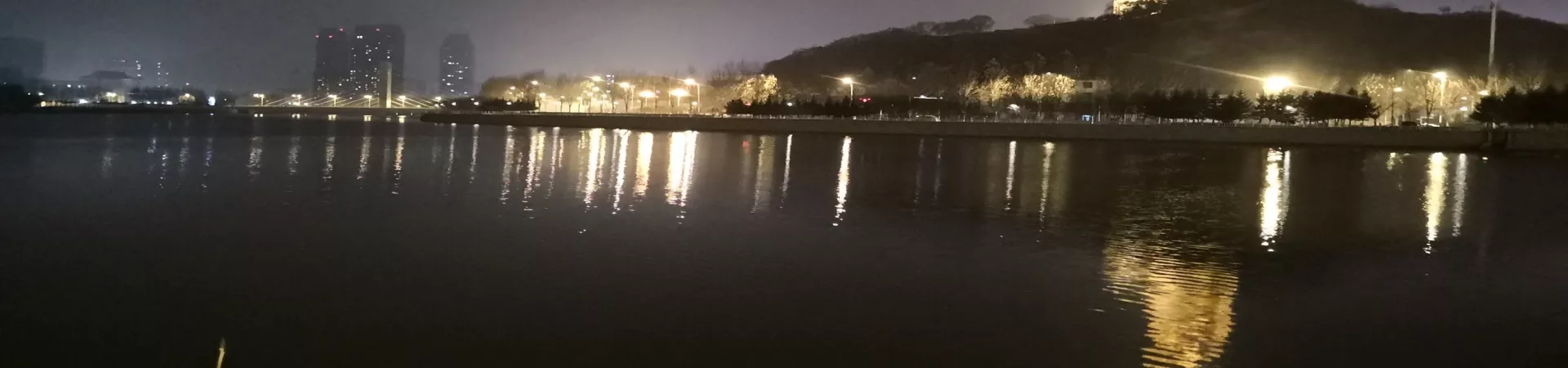
- 1.2. Modern Monuments and Cultural Motifs At its center or key focal points, the square often features modern sculptural installations or architectural landmarks. These are not ancient relics but contemporary creations that symbolize LiaoYuan's vitality, its natural beauty (often incorporating motifs of the city's famed chrysanthemums), or its industrial perseverance. The use of materials like stainless steel, granite, and glass reflects a modern aesthetic, while the flowing lines and forms might hint at the surrounding landscapes of the East Liaoning hills. Lighting plays a crucial role; as dusk falls, artistic street lamps and illuminated features transform the square into a dazzling display, highlighting its architectural lines and creating a magical atmosphere.
II. The Square as a Social and Cultural Theater * 2.1. Daily Rhythms and Community Life To truly understand Dongfang Square, one must visit at different times of day. In the early morning, it becomes an open-air gymnasium, with groups practicing Tai Chi, square dancing (guangchang wu), or engaging in brisk walking. During the day, it's a transit point and a leisure spot for families, friends meeting up, and individuals enjoying a moment of respite. The square truly comes alive in the evening and on weekends, evolving into the city's premier social stage.
- 2.2. Evening Vibrance and Festive Celebrations As night falls, the square reaches its peak vibrancy. It becomes a carnival of light, sound, and movement. Larger groups gather for coordinated dance routines, often with hundreds of participants moving in unison—a mesmerizing spectacle of community spirit. Elsewhere, you might find people flying LED kites, children skating, couples strolling, or street vendors selling snacks and simple toys. During national holidays like Chinese New Year or National Day, and especially during the LiaoYuan Chrysanthemum Festival, the square is adorned with spectacular floral arrangements, thematic decorations, and light shows, serving as the central venue for civic celebration and pride.
III. A Strategic Hub for Exploration * 3.1. Central Location and Connectivity Dongfang Square's greatest practical advantage for visitors is its central location. It acts as a major transportation node and an orienting landmark. Key city bus routes converge here, making it easily accessible from various districts. Its prominence also makes it a natural reference point for navigating the city; many local businesses, hotels, and institutions use their proximity to the square as a directional guide.
- 3.2. Gateway to Key Attractions
Positioned at the city's core, the square provides efficient access to LiaoYuan's other notable sites. A short walk or a quick taxi ride can take you to:
- LiaoYuan Museum: To delve into the region's history, from ancient fossils and Khitan culture to its modern industrial development.
- The Former Residence of Xie Yousheng (a Manchu Imperial Guard): Offering a glimpse into Qing dynasty architecture and local aristocratic life.
- Commercial Centers: Surrounding streets and avenues branch out from the square, leading to bustling shopping areas, local restaurants serving Jilin cuisine, and markets where you can find local specialties, including the famous LiaoYuan socks.
IV. Practical Visitor Experience and Tips * 4.1. Immersive Activities for Visitors Beyond observation, visitors are encouraged to participate. Feel free to join a morning exercise group, even if just on the periphery. Enjoy a simple picnic on the steps or lawns. In the evening, simply find a bench and soak in the energetic, joyful atmosphere. The square is a prime location for people-watching and capturing photographs that reflect the authentic, contemporary life of a Northeast Chinese city.
- 4.2. Planning Your Visit There is no admission fee to enter Dongfang Square—it is a public space open around the clock. The most dynamic times to visit are early morning (6:00-8:00 AM) and evening (7:00-9:30 PM). While the square itself has limited dining options beyond small kiosks, the surrounding perimeter streets are lined with a variety of eateries. As with any public space, it is advisable to keep personal belongings secure during crowded periods. The square is generally flat and easily walkable, making it accessible for most visitors.
Dongfang Square, therefore, is not a silent monument to be merely looked at. It is an experience to be absorbed. It represents LiaoYuan's present—a community-oriented, lively, and modern city. By spending time here, you move beyond the role of a passive tourist and become, momentarily, a part of the city's daily tapestry, gaining an intuitive understanding of its character before venturing out to discover its specific historical and cultural treasures.