Xichang Ancient Town
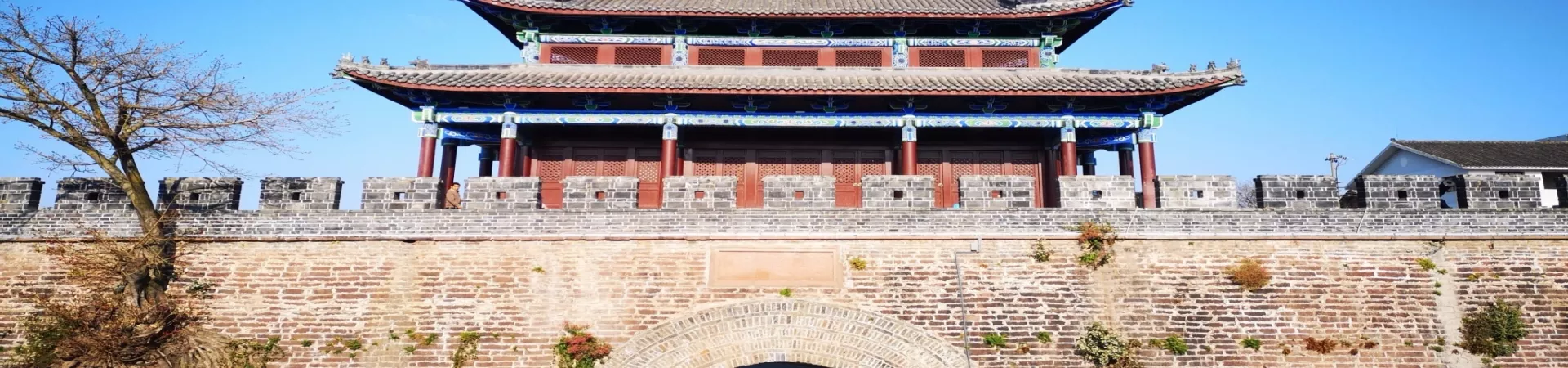
Subtitle: A Journey Through Time in Liangshan's Ancient Heart
Introduction: The Fading Echoes of History
Nestled in the northeastern corner of modern Xichang City in Sichuan's Liangshan Prefecture lie the quiet, poignant remnants of Jianchang Ancient City. With a history stretching back over two millennia, this once-thriving urban center now exists primarily as a whisper of its former self—a collection of weathered ramparts and gateways that stand as silent sentinels to a glorious past. Unlike meticulously restored tourist complexes, Jianchang offers a more authentic, if somber, encounter with history. Its fragmented state is a direct narrative of time's passage, inviting visitors to piece together the grandeur of ancient Jianchang through imagination and the few enduring landmarks that remain. The experience here is less about spectacle and more about contemplation, connecting with the profound layers of history embedded in the very soil of this strategic region, which was a crucial node on the ancient Southern Silk Road.
1. Exploring the Architectural Legacy
1.1. The Enduring Symbol: The Three City Gates The most defining features of the surviving Jianchang古城 (gǔchéng, ancient city) are its three historic city gates. These structures served as the primary arteries of commerce, defense, and daily life for centuries. While the city walls connecting them have largely succumbed to time, the gates themselves remain powerful architectural statements. Their robust construction, typical of Ming and Qing dynasty fortifications, hints at the city's historical importance and the need for formidable defenses in this frontier region. Each gate, facing a cardinal direction, tells a story of the city's layout and its interaction with the surrounding world.
1.2. Datongmen: The Last Grand Vestige Among these gates, Datongmen holds a place of singular significance. Often described as the "final imprint" of old Xichang, it is the best-preserved and most accessible portal into the city's history. Passing through its deep, arched tunnel is a physical transition across centuries. The gate tower, rising above the massive stone base, offers a vantage point that has witnessed the ebb and flow of dynasties. A unique, almost charming detail for visitors is the nominal entrance fee of just 1 RMB to ascend the gate tower, a small contribution for the perspective it grants. In contrast, general access to the古城 ruins and the exterior areas is completely free, making it an exceptionally accessible historical site.
2. The Visitor Experience: Day and Night
2.1. A Daylight Historical Survey During the day, a visit to Jianchang Ancient City is an exercise in historical archaeology. Visitors can walk along the bases of the old walls, examine the texture of the ancient bricks, and trace the outline of the old city moat. The scale of the original settlement becomes apparent, even in its reduced state. The atmosphere is one of tranquil decay, ideal for photography, sketching, or simply reflective wandering. The site does not overwhelm with reconstructions but instead asks you to observe and deduce.
2.2. The Nocturnal Transformation: Views and Vibrancy As sunset approaches, the character of the area undergoes a dramatic and delightful shift. Ascending Datongmen at night is highly recommended. From the top of the gate tower, you are rewarded with a stunning panoramic view of modern Xichang's glittering nighttime skyline juxtaposed against the dark, silent form of the ancient ruins. This visual dialogue between past and present is arguably the most compelling experience the site offers.
2.3. The Lively Adjacent Market Descending from the gate, the historical serenity gives way to contemporary vitality at the bustling market adjacent to Datongmen. This is not a curated tourist bazaar but a lively local hub where the daily life of Xichang continues unabated. Here, you can find an array of goods—from fresh local produce and Liangshan-specific specialties like wild mushrooms and cured meats to everyday household items and souvenirs. The air fills with the sounds of vendors calling out, friends chatting, and the general hum of community activity. It's a fantastic place to observe local culture, practice your bargaining skills, and perhaps pick up some unique local snacks or crafts. This vibrant contrast—the silent history above and the pulsing life beside it—perfectly encapsulates the enduring spirit of the place.
3. Essential Practical Information for Your Visit
3.1. Location and Transportation Jianchang Ancient City is situated in the northeast quadrant of downtown Xichang. The most straightforward and economical way to reach the site is by public bus. Take Bus Route 1 and alight at the dedicated "Datongmen" stop. From there, the gate and the ancient city remnants are within immediate walking distance. Taxis and ride-hailing services are also readily available throughout Xichang for direct door-to-door convenience.
3.2. Opening Hours and Admission * Opening Hours: The site is accessible 24 hours a day, every day of the year. The open schedule allows for maximum flexibility, whether you prefer a morning exploration, an afternoon visit, or the recommended evening trip for the night views and market experience. * Admission Fees: Access to the grounds of the ancient city ruins is completely free of charge. The only fee applicable is the 1 RMB charge to climb up to the top of the Datongmen gate tower for the elevated views.
3.3. Suggested Duration and Planning Tips A well-paced visit to Jianchang Ancient City, including time to walk around the ruins, ascend Datongmen, and explore the nearby market, typically requires 1 to 3 hours. To optimize your experience, consider arriving in the late afternoon. This allows you to survey the historical site in daylight, witness the sunset from the gate tower, enjoy the illuminated nightscape, and then immerse yourself in the energetic evening market. As with any outdoor historical site, wearing comfortable walking shoes is advised. While the market offers food and drinks, carrying a bottle of water is recommended during your exploration of the ruins.