Libai Lover Beach
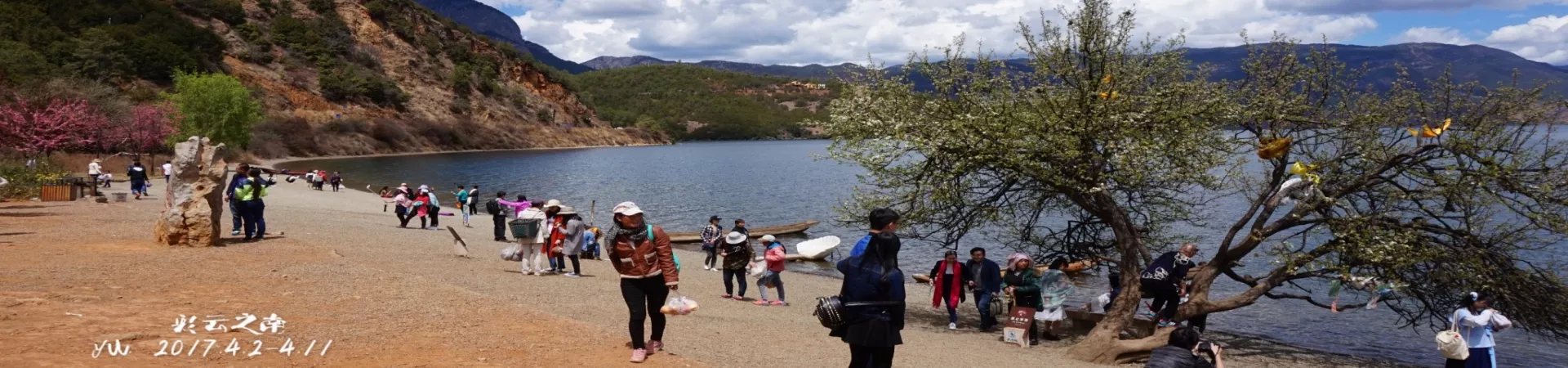
Subtitle: A Romantic Haven on the Shores of Lugu Lake
1. Introduction to Libai Lovers' Beach
Nestled on the Sichuan side of the majestic Lugu Lake, which straddles the border between Sichuan and Yunnan provinces, lies the enchanting Libai Lovers' Beach. Lugu Lake itself is home to two such celebrated "Lovers' Beaches," with Libai representing the Sichuan segment in the Liangshan Yi Autonomous Prefecture, while Luoshui Beach is located on the Yunnan side. Libai Beach is more than just a scenic spot; it is a poetic landscape steeped in local legend and romantic symbolism, offering a serene and intimate escape amidst one of China's most beautiful alpine lakes. The beach serves as a tranquil counterpart to the lake's broader vistas, providing a secluded nook where nature and folklore intertwine to create an atmosphere of enduring love and natural beauty.
2. The Legend and Landscape of Love
2.1. The Symbolism of the Paired Trees The very name "Lovers' Beach" finds its roots in a captivating natural phenomenon that defines its shoreline. Along the water's edge, trees are observed to grow in pairs, standing side-by-side as if they were devoted couples. These arboreal pairs, with trunks often leaning towards one another and branches intertwined, are seen as eternal symbols of partnership, resilience, and unwavering commitment. Local lore suggests these trees embody the spirits of loyal lovers, forever rooted together against the backdrop of the shimmering lake and distant mountains. This powerful imagery of naturally paired flora immediately sets the tone for visitors, transforming a simple lakeside walk into a poignant experience of natural romance.
2.2. The Cultural Tapestry: Prayer Flags and Local Customs Adding a layer of spiritual and cultural depth to the beach's romantic aura are the vibrant prayer flags, known as lungta or wind horses, that adorn the surrounding pine forests and grassy knolls. Hung by local residents, primarily from the Mosuo and other ethnic communities indigenous to the Lugu Lake region, these colorful rectangular flags are inscribed with prayers and mantras. As the lake breeze sweeps through the area, the flags flutter and dance continuously. It is believed that each flutter carries the blessings and prayers printed on them out into the universe. This practice creates a visually striking and deeply mystical atmosphere. The rustling sound of the flags in the wind, combined with their vivid hues against the green foliage and blue sky, evokes a sense of sacred peace and connection to ancient traditions, reminding visitors that this is a landscape revered by its people.
3. The Sensory Experience and Ambiance
3.1. Idyllic Scenery: Sunlight, Sand, and Willow Libai Lovers' Beach boasts a classic, picturesque beauty that changes character with the passing hours. By day, sunlight dances on the clear, placid waters of Lugu Lake, illuminating a stretch of soft, golden sand that extends along the shore. Graceful willow trees, with their long, drooping branches, line parts of the beach, creating scenes of "willows swaying in the breeze" (yangliu yiyi) that are reminiscent of classical Chinese poetry. The combination of the gentle lapping waves, the soft sand underfoot, and the dappled shade of the trees crafts an environment of supreme tranquility and aesthetic pleasure. It is a place made for quiet contemplation, leisurely picnics, and simply soaking in the pristine mountain-air environment.
3.2. The Magic of Dusk: A Time for Romance While beautiful at any time, Libai Lovers' Beach truly unveils its most tender and romantic persona during the twilight hours. As the sun begins its descent behind the hills, the sky transforms into a canvas of warm oranges, pinks, and purples, reflecting brilliantly on the lake's surface. This period of golden hour and early evening is when the beach lives up to its name most profoundly. It is a traditional and beloved time for couples to stroll hand-in-hand along the water's edge. The gentle light, the serene environment, and the symbolic surroundings amplify the sense of intimacy and connection. The act of walking together here is not merely a physical activity but a ritual, harmonizing perfectly with the landscape's promise of lasting companionship.
4. Practical Visitor Information
4.1. Duration of Visit A visit to Libai Lovers' Beach is typically a relaxed affair. Most visitors find that spending between 1 to 3 hours here is sufficient to fully appreciate the scenery, enjoy a peaceful walk, capture photographs, and immerse oneself in the calm ambiance. This makes it an ideal stop as part of a broader day-long itinerary exploring the various attractions around Lugu Lake.
4.2. Transportation and Access The beach is accessible primarily via two means: * On Foot: For those staying in nearby villages or guesthouses along the Sichuan shore of Lugu Lake, a pleasant walk to the beach can be a delightful part of the experience, allowing for gradual immersion into the lakeside landscape. * By Chartered Vehicle (Bao Che): The most common and convenient method for tourists is to hire a local car or join a small tour. Given that Lugu Lake's attractions are spread out around its perimeter, chartering a vehicle for a day is a popular and flexible way to navigate the area, with drivers often doubling as informal guides who can point out key sites like Libai Beach.
4.3. Ticketing and Admission Access to Libai Lovers' Beach is free of any additional charge. It is included within the general entrance ticket to the Lugu Lake Scenic Area. Visitors must purchase the main scenic area ticket to enter the region, after which they can freely visit this and other designated sites around the lake. No separate ticket is required for the beach itself.
4.4. Operating Hours The beach is open to visitors 24 hours a day, every day of the week, throughout the entire year. This all-day, every-day schedule offers maximum flexibility. Whether one wishes to catch the sunrise over the misty lake, enjoy a midday respite, or experience the famed romantic dusk, the beach is accessible. However, practical visitation is naturally subject to daylight conditions and weather, with daytime and early evening being the most popular and advisable times for a visit.