Yao Museum
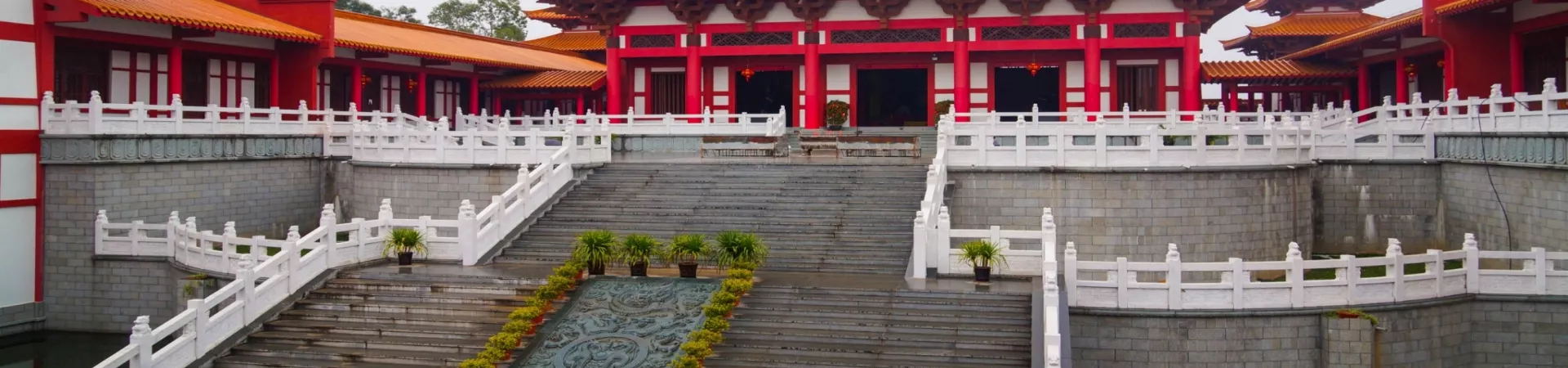
Subtitle: A Journey into the Heart of Yao Heritage
1. Introduction Nestled within the landscape of Jinxiu, a place deeply intertwined with Yao culture, stands the Jinxiu Yao Nationality Museum. Established in 1991, this institution holds a place of singular importance in China's cultural heritage landscape. It was the very first museum dedicated to the Yao people constructed after the founding of the People's Republic of China. With a total floor area exceeding 1,300 square meters, the museum serves not merely as a repository of artifacts but as a vibrant, condensed narrative of the Yao society itself. It is a gateway for visitors to transcend time and space, offering an immersive exploration into the history, artistry, spiritual beliefs, and daily life of one of China's most fascinating ethnic groups.
2. Architectural Layout and Thematic Galleries The museum's collection is thoughtfully distributed across two primary exhibition halls, each designed to guide visitors through different dimensions of Yao civilization.
2.1. First Floor: The Foundations of Yao Life and Spirit The journey begins on the ground floor, which is dedicated to the foundational aspects of Yao culture and history. This section provides a comprehensive backdrop, setting the stage for the artistic marvels displayed above.
2.1.1. Cultural Tapestry and Social Customs Here, exhibits delve into the rich tapestry of Yao social structures, traditional customs, and festivals. Displays explain the significance of age-old practices, communal rituals, and the unique societal organizations that have bound Yao communities together for centuries. This gallery answers the why behind the Yao way of life, exploring their relationship with nature, their ancestral worship, and the oral traditions that have preserved their history.
2.1.2. A Legacy of Resilience: Revolutionary History A poignant segment of this floor is devoted to the Yao people's revolutionary struggle. It chronicles their participation and sacrifices in China's modern historical movements, highlighting their role in shaping the regional and national narrative. This section adds a layer of historical depth, showcasing the Yao not only as custodians of culture but also as active participants in the broader currents of history.
2.1.3. Tools of Life and Archaeological Treasures The practical ingenuity of the Yao people is on full display through an array of traditional production tools and household implements. From agricultural equipment to weaving looms and cooking utensils, these objects tell a silent story of adaptation and skill. Complementing these are archaeological findings from the region, providing tangible links to the ancient roots of Yao settlement and material culture.
2.2. Second Floor: A Symphony of Silver and Fabric Ascending to the second floor, the visitor is transported into a realm of breathtaking beauty and intricate craftsmanship. This level is exclusively dedicated to the Yao's most celebrated artistic expressions: their silver adornments and their diverse, colorful costumes.
2.2.1. The Lustrous Art of Yao Silverwork The gallery dedicated to silver ornaments is a testament to superb metallurgical skill. Elaborate headdresses, necklaces, breastplates, bracelets, and belts, all meticulously crafted from silver, are displayed. Each piece is more than mere decoration; it is a symbol of status, a protective talisman, and a repository of symbolic motifs from the natural and spiritual world. The weight, shine, and complexity of the silverwork speak volumes about family wealth, social position, and aesthetic dedication.
2.2.2. The Embodied Canvas: Yao Costume Collection This section is the crown jewel of the museum and its claim to national distinction. The Jinxiu Yao Nationality Museum proudly houses over 90 sets of costumes, representing 58 distinct types collected from Yao communities across China and even from diaspora communities overseas. This makes it the museum with the most extensive and comprehensive collection of Yao attire in the country.
2.2.2.1. Diversity and Regional Identity The exhibits spectacularly illustrate the astonishing diversity within Yao culture itself. Costumes differ dramatically between subgroups such as the Pan Yao, Guo Shan Yao, and Hong Yao, varying in cut, embroidery style, color palette, and headwear. A visitor can literally see the geography of Yao heritage mapped onto fabric, where each stitch and color signifies a specific community identity and history.
2.2.2.2. Embroidery: A Language in Thread The embroidery on these garments is a language unto itself. Using techniques passed down through generations, Yao women encode their myths, their environment, and their hopes into vibrant patterns. Motifs of dragons, phoenixes, flowers, and geometric designs are not random but are deeply symbolic, conveying blessings, warding off evil, and telling stories of creation and migration. The vibrancy of the colors—deep indigos, fiery reds, radiant pinks, and sunny yellows—reflects a profound love for life and an innate, bold aesthetic sensibility.
3. The Museum as a Living Microcosm Beyond its classification as a museum, this institution is accurately described as a "microcosm of Yao society." Every artifact, from a humble farming tool to a resplendent festival gown, is a piece of a larger, living puzzle. The collection does not present a frozen past but illustrates a dynamic culture that has skillfully preserved its core traditions while adapting to changing times. The dazzling costumes and silver, in particular, are not mere relics; they are vibrant expressions of the Yao people's enduring love for beauty, their refined artistic taste, and their unwavering aspiration for a beautiful and prosperous life. They stand as the most magnificent and brilliant blossoms in the vast garden of Yao traditional culture.
4. Practical Information for Visitors To facilitate a smooth visit, please note the following operational details:
4.1. Opening Hours The museum operates on a split-session schedule for most of the week. * Tuesday to Sunday: 08:00 - 12:00 (Morning Session) and 14:30 - 17:30 (Afternoon Session). * Last Admission Times: 11:30 for the morning session and 17:00 for the afternoon session. * Mondays: The museum is open all day ("全天") from 08:00 to 17:30. Please confirm if there is a continuous entry or a similar last admission policy applies on Mondays.
4.2. Location and Context The museum is located in Jinxiu Yao Autonomous County, Laibin City, in the Guangxi Zhuang Autonomous Region. Its setting is integral to the experience, as visitors can step from the exhibition halls into the very cultural landscape that produced these treasures, with opportunities to encounter Yao communities and their living traditions in the surrounding areas.