Mt. Shengtangshan Scenic Resort
A Visitor's Guide to Sheng Tang Mountain Scenic Area, Laibin, China
Nestled within the verdant landscapes of central Guangxi, the Sheng Tang Mountain Scenic Area stands as a testament to nature's grandeur and spiritual tranquility. Located in Laibin City, this destination is far more than just a mountain; it is a harmonious blend of breathtaking karst topography, rich biodiversity, and profound cultural heritage, offering a restorative escape from the urban hustle.
1. Essential Visitor Information Before embarking on your journey, having the key logistical details at hand will ensure a smooth and enjoyable visit.
- Contact Number: +86 (0)772 6217300 For inquiries regarding accessibility, weather conditions, or any special arrangements, this direct line to the scenic area's management is your primary resource.
- Operating Hours: 08:00 - 17:00 daily. The last admission is strictly at 17:00. It is highly recommended to arrive well before this cutoff to allow ample time for exploration, as the park covers a significant area. These hours are consistent throughout the year.
- Best Time to Visit: While the park is open year-round, the most favorable periods are spring (March to May) and autumn (September to November). During these seasons, the weather is typically mild and pleasant, with comfortable temperatures for hiking. Spring brings a vibrant bloom of wildflowers and lush greenery, while autumn offers clear, blue skies and crisp air, perfect for photography. Summers can be hot and humid, and winters, though rarely severe, can be chilly, especially at higher elevations.
2. The Natural Splendor of Sheng Tang Mountain The core appeal of Sheng Tang Mountain lies in its dramatic and pristine natural environment, shaped over millennia.
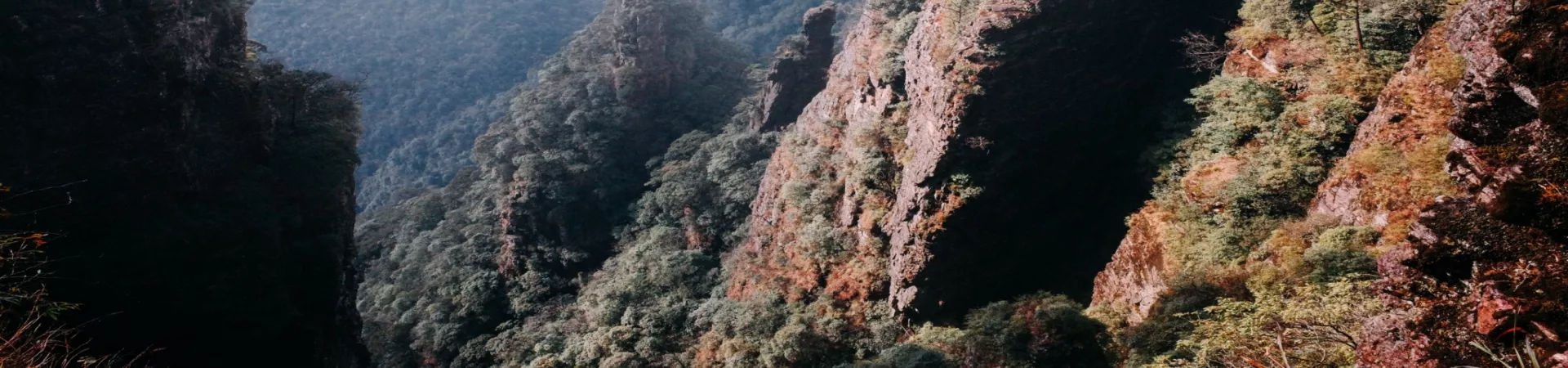
2.1 Unique Karst Landforms and Peaks The scenic area is a classic example of South China's karst landscape, but with its own distinctive character. Unlike the isolated pinnacles of Guilin, Sheng Tang Mountain often presents as a sprawling, forest-clad massif with striking granite outcrops and towering peaks. The main ridge stretches majestically, with its highest point offering a true "peak above the clouds" experience. The mountain's contours are a geologist's dream, featuring sheer cliffs, deep gullies, and peculiar rock formations that ignite the imagination.
2.2 A Biodiverse Haven The mountain is enveloped in a well-preserved subtropical evergreen broad-leaved forest, creating a rich ecosystem. It serves as a vital habitat for numerous plant and animal species, some of which are rare or endemic. As you hike the trails, you'll be surrounded by a symphony of birdsong and the gentle rustle of ancient trees. The air is notably fresh and fragrant, filled with the scent of pine and earth. This biodiversity is not just a visual treat but contributes to the area's reputation as a natural oxygen bar, ideal for wellness and rejuvenation.
2.3 Waterfalls and Streams Adding melody and movement to the landscape are the mountain's numerous water features. Crystal-clear streams cascade down rocky beds, and several picturesque waterfalls can be discovered along the trails. These range from gentle, tiered falls to more powerful torrents after rainfall. The sound of flowing water is a constant companion on many paths, enhancing the sense of peace and natural harmony.
3. Cultural and Spiritual Significance Beyond its physical beauty, Sheng Tang Mountain holds a deep place in the cultural and spiritual landscape of the region.
3.1 The Legacy of the Yao Ethnic Group The area around Sheng Tang Mountain is historically connected to the Yao ethnic minority. While modern development has changed the immediate vicinity, the cultural influence remains in the broader Laibin region. The mountain itself is often intertwined with local folklore and traditions, representing a symbol of endurance and natural reverence.
3.2 Temples and Historical Sites True to its name "Sheng Tang" (which can imply "Holy Hall" or "Sacred Temple"), the mountain has long been a site for spiritual contemplation. While the specific historical structures may be modest compared to grand imperial temples, there are sites of worship and meditation that reflect Taoist and Buddhist influences. These quiet spots, often nestled in scenic clearings or near cave mouths, provide a tangible link to the past and offer visitors a moment for quiet reflection amidst their journey.
4. The Visitor Experience: Hiking and Exploration The primary activity in Sheng Tang Mountain is hiking, with a network of trails catering to different fitness levels.
4.1 Trail Network and Key Viewpoints A well-maintained system of stone steps and paths winds through the forest, leading adventurers to the most spectacular viewpoints. The ascent can be challenging but is immensely rewarding. Key stops along the way include various observation platforms that provide staggering panoramic vistas of the endless rolling hills and forested valleys below. The summit view at sunrise or sunset is an unforgettable spectacle, where sea of clouds often envelops the lower peaks.
4.2 Preparation and Tips for Hikers To fully enjoy the exploration, adequate preparation is essential. * Footwear and Clothing: Sturdy, comfortable hiking shoes with good grip are non-negotiable due to the sometimes steep and uneven stone paths. Dress in layers, as temperatures can change with altitude. * Supplies: Carry sufficient water and high-energy snacks. While there may be small vendors at the base, options are limited on the trails. Sun protection (hat, sunscreen) and rain gear are also advisable due to changeable mountain weather. * Pacing: The hike to the summit and back is a full-day endeavor for most. Start early, pace yourself, and allow plenty of time to descend before dusk. Always stay on marked trails for your safety and to protect the fragile ecosystem.
In essence, a trip to Sheng Tang Mountain Scenic Area is an immersion into a world where nature's power and peace coexist. It challenges the body with its trails, rewards the spirit with its vistas, and soothes the mind with its serene atmosphere. It remains one of Guangxi's more authentic and less commercialized mountain escapes, promising a memorable encounter with China's profound natural beauty.
Information last verified: January 2023.