Lingzu Grand Canyon
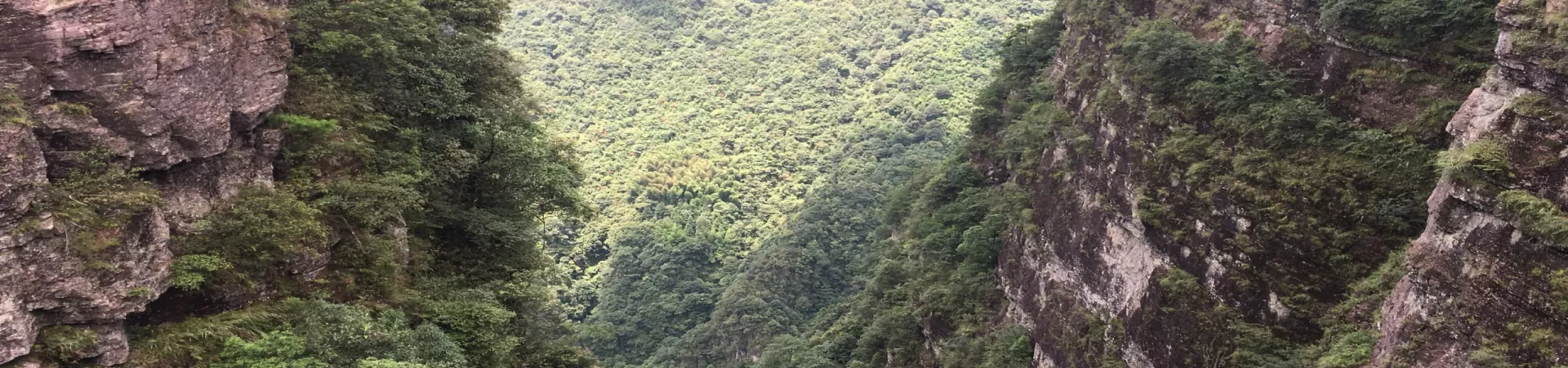
Subtitle: A Journey into Guangxi's Hidden Gem: Unveiling the Mysteries of Lingzu Grand Canyon
Introduction: The Allure of the Untamed Karst
Nestled deep within the heart of Guangxi Zhuang Autonomous Region, near the city of Laibin, lies a landscape that seems sculpted by the hands of ancient giants—the Lingzu Grand Canyon. Far from the well-trodden paths of Guilin and Yangshuo, this geological masterpiece offers a more intimate, raw, and awe-inspiring encounter with China's legendary karst topography. It is a destination not merely for sightseeing, but for immersion; a place where mist-clad peaks pierce the sky, emerald waters carve through primordial rock, and the air itself hums with a profound, serene energy. For the discerning traveler seeking to move beyond postcard vistas and into the visceral heart of nature's artistry, Lingzu Grand Canyon presents an unforgettable chapter in the story of South China's natural wonders.
I. A Tapestry of Stone and Water: The Geological Heart of Lingzu
1.1. The Genesis of a Canyon: Millennia in the Making The dramatic scenery of Lingzu is the triumphant result of a patient, eons-long dance between water and limestone. Over millions of years, slightly acidic rainwater percolated through fissures in the vast carbonate rock platform, slowly dissolving and widening cracks into gorges, sculpting pinnacles, and creating a labyrinthine underworld. This process, known as karstification, has yielded a textbook example of fengcong (peak cluster) karst, characterized by steep-sided, cone-shaped hills rising directly from a plain, often intersected by deep, narrow valleys.
1.2. The Canyon's Defining Features: Cliffs, Caves, and Cascades The canyon itself is a symphony of verticality and depth. Sheer cliff faces, adorned with tenacious greenery, soar hundreds of meters, their stratified layers telling a silent history of geological epochs. Winding through the base of these cliffs is the lifeblood of the canyon—a crystal-clear river, its color shifting from jade green to deep turquoise with the sun's angle. This waterway is punctuated by serene pools and lively cascades, their sounds providing a constant, soothing soundtrack to exploration. Scattered throughout are karst caves, some easily accessible, others hidden, each holding secrets of stalactites and stalagmites that grow imperceptibly in the darkness.
II. The Visitor Experience: Trails, Vistas, and Adventure
2.1. Navigating the Landscape: Walkways and Viewpoints A well-designed system of walking trails and engineered pathways allows visitors of varying fitness levels to access the canyon's most spectacular vistas. These paths often cling to cliff sides, offering thrilling perspectives straight down into the verdant abyss. Key viewpoints provide panoramic scenes of the peak forest stretching to the horizon, particularly breathtaking in the soft light of early morning or late afternoon when lingering mist weaves between the peaks.
2.2. Immersive Encounters: The River and the Flora For a closer connection, certain sections allow for walking along the riverbank or even wading in the shallow, refreshing waters. The microclimate within the canyon fosters a rich biodiversity. The air is fragrant with the scent of damp earth and lush vegetation, including rare ferns, flowering orchids clinging to rocks, and ancient trees twisting their roots into the stone. The attentive visitor might spot butterflies, hear the call of rare birds, or see fish darting in the translucent pools.
III. Practical Information for Planning Your Visit
3.1. Location and Access Lingzu Grand Canyon is located in the vicinity of Laibin City, Guangxi. The most common access point for travelers is from Guilin. The journey typically involves a combination of high-speed rail or bus to Laibin, followed by a local taxi or arranged private transport to the canyon entrance. The remoteness is part of its charm, requiring a bit more planning but rewarding visitors with a less crowded experience.
3.2. Opening Hours and Contact The canyon is open to visitors daily. The operational hours are from 8:30 AM to 5:00 PM, with the last admission granted at 5:00 PM. It is advisable to arrive with sufficient time to fully enjoy the trails before closing. For the most current information, especially regarding weather conditions which can affect access, visitors can contact the site at +86 188 7729 2268.
3.3. Best Time to Visit and Suggested Duration The canyon is a year-round destination, each season painting it in different hues. Spring (March-May) brings blooming flowers and full waterfalls. Summer (June-August) offers lush, green scenery, though it can be warm and is the rainy season. Autumn (September-November) is often considered ideal, with clear skies, comfortable temperatures, and stable weather. Winter (December-February) is cooler and misty, creating an ethereal, moody atmosphere with fewer visitors. A full exploration of the main trails typically requires 3 to 5 hours.
IV. Enhancing Your Journey: Tips and Cultural Context
4.1. Preparation and Essentials Sturdy, non-slip walking shoes are an absolute necessity due to potentially wet and uneven paths. Carry water, sun protection (hat, sunscreen), and insect repellent. A light rain jacket is recommended due to the unpredictable microclimate. For photography enthusiasts, a wide-angle lens is perfect for capturing the vast landscapes, while a polarizing filter can help manage reflections on the water.
4.2. Cultural and Ecological Sensitivity The region is home to Zhuang and Yao ethnic minorities. While the canyon itself is a natural site, respecting the local environment is paramount. Visitors are urged to follow the principle of "Leave No Trace," staying on designated paths, disposing of waste properly, and avoiding disturbing wildlife or removing any natural objects. This ensures the preservation of Lingzu's pristine beauty for generations to come.
4.3. Beyond the Canyon: Integrating Laibin While the canyon is the premier attraction, the Laibin area holds other points of interest. Consider exploring local villages to glimpse rural life, or visiting other karst formations in the region. Sampling Guangxi cuisine, known for its sour and spicy flavors (like Luosifen—river snail rice noodles), in Laibin's town centers completes the cultural experience.