New Yunnan Provincial Museum
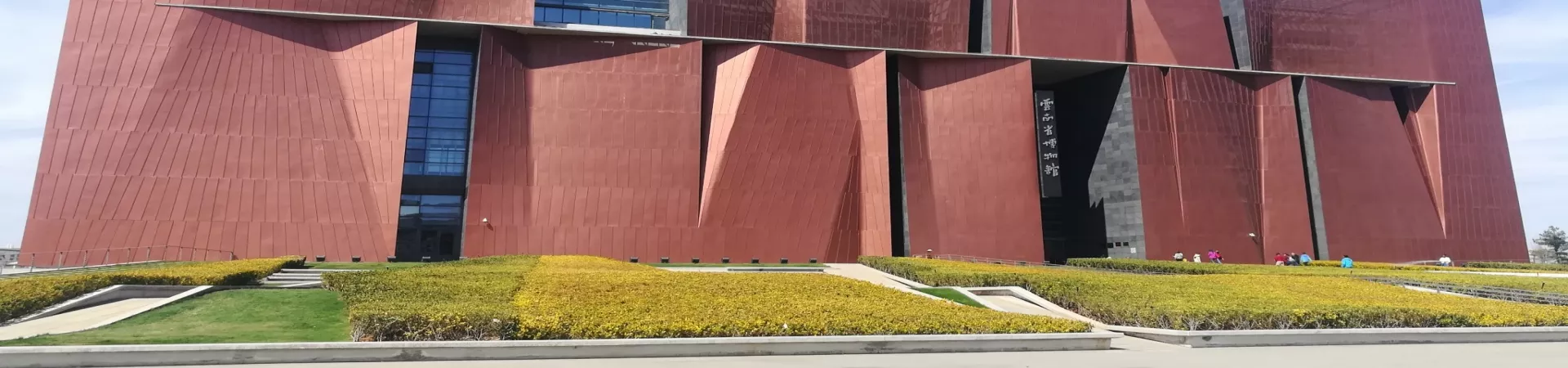
A Comprehensive Guide to the Yunnan Provincial Museum (New Building)
Nestled in the heart of Kunming, the capital of China's southwestern Yunnan Province, stands a monumental testament to the region's rich cultural heritage: the Yunnan Provincial Museum's New Building. As one of the province's ten flagship cultural infrastructure projects, this modern architectural marvel is not merely a repository of artifacts but a dynamic gateway into the millennia-old history, diverse ethnic tapestry, and unique ecological wonders of Yunnan. Located at No. 6393, Guangfu Road, the museum offers an immersive and educational journey, making it an essential destination for any visitor to the region.
1. Architectural Grandeur and Visitor Information * 1.1. Design and Structure The museum commands attention with its imposing yet elegant presence on a sprawling 150-acre site. Its massive 60,000-square-meter structure takes the form of a grand cube, with a floor plan ingeniously designed in a traditional Chinese "回" (Hui) character shape, symbolizing return and continuity. The facade, a blend of modern materials and symbolic elements, reflects the museum's mission of connecting the past with the present. Flanking the main entrance are two serene reflecting pools, adding a touch of tranquility and mirroring the sky above. The building rises 39 meters high, comprising five expansive floors above ground and two below, offering ample space for its world-class exhibitions and facilities.
- 1.2. Essential Details for Your Visit
Planning a visit is straightforward, thanks to the museum's visitor-friendly policies.
- Admission: Entry to the museum's permanent exhibitions is completely free of charge. This open-access policy underscores its role as a public cultural institution for all.
- Operating Hours: The museum is open from 9:00 AM to 5:00 PM, Tuesday through Sunday. The last admission is at 4:30 PM. It is closed to the public every Monday (except for certain national holidays, which are best verified in advance).
- Suggested Duration: To fully appreciate the breadth and depth of the collections, a visit of 1 to 3 hours is recommended. This allows sufficient time to explore the major galleries without feeling rushed.
- Contact: For inquiries or confirmation of opening times, you can reach the museum at 0871-67286223 or 0871-67286863.
2. A Journey Through the Permanent Exhibition Galleries The heart of the museum lies in its meticulously curated permanent exhibitions, which are organized thematically across several floors. These galleries take visitors on a chronological and thematic voyage through Yunnan's extraordinary story.
2.1. The Ancient Civilizations: From Dinosaurs to the Dian Kingdom The journey begins in deep time. One of the most thrilling sections is dedicated to Yunnan's Paleontology, showcasing spectacular fossils that reveal the region as a cradle of prehistoric life, including famous dinosaur species. This seamlessly transitions into exhibits on early human activity, featuring artifacts from Yuanmou Man, some of the oldest hominid remains found in China. The narrative then progresses to the brilliant Bronze Age civilization of the Dian Kingdom (circa 4th century BCE – 1st century CE). The exquisite bronze artifacts, especially the iconic cowrie-shell storage vessels and intricate ritual drums, offer a glimpse into a sophisticated and mysterious kingdom with unique artistic traditions.
2.2. The Silk Road's Southern Thread: Yunnan in History This section illuminates Yunnan's pivotal role as a crucial node on the Southern Silk Road (or Sichuan-Yunnan-Myanmar-India route). Exhibits of ancient coins, silk fragments, religious figurines, and other trade goods illustrate the vibrant cultural and commercial exchanges that flowed through Yunnan, connecting Central China with Southeast Asia and the Indian subcontinent. It highlights how this interaction shaped Yunnan's culture, economy, and religious landscape over centuries.
2.3. The Tapestry of Ethnic Diversity Perhaps the most colorful and vibrant gallery is dedicated to the Ethnic Cultures of Yunnan. Home to 25 officially recognized ethnic minorities, Yunnan's social fabric is incredibly diverse. This exhibition is a sensory feast, displaying elaborate traditional costumes adorned with intricate embroidery and silver jewelry, religious and ceremonial objects, musical instruments, and reconstructions of architectural styles like the Dai bamboo houses and the Tibetan blockhouses. It vividly portrays the unique customs, festivals, beliefs, and daily lives of communities such as the Yi, Bai, Hani, Naxi, and Dai, among others.
2.4. Buddhist Art and Spiritual Heritage Reflecting the profound influence of Buddhism in the region, a significant gallery is devoted to Buddhist Art, particularly from the Nanzhao and Dali kingdoms. The collection features serene gilded bronze statues of Buddhas and Bodhisattvas, stone carvings, and precious scripture manuscripts. These artifacts demonstrate the distinct stylistic evolution of Buddhist art in Yunnan, which absorbed influences from Tibet, Central China, and Southeast Asia to create its own sublime aesthetic.
3. Visitor Experience and Amenities Beyond the galleries, the new museum is designed for a comprehensive and comfortable cultural experience.
3.1. Special Exhibitions and Digital Engagement The museum regularly hosts high-quality temporary exhibitions on national and international themes, ensuring there is always something new to discover. It also incorporates modern technology, with interactive touchscreens, multimedia displays, and digital reconstructions scattered throughout the galleries, enhancing understanding and engagement, particularly for younger audiences.
3.2. Facilities and Accessibility The museum is fully equipped with modern amenities. These include a well-stocked museum shop offering cultural souvenirs and books, a cafe for refreshments, and spacious lobby and rest areas. The building is designed to be accessible, with elevators, ramps, and clear signage ensuring a comfortable visit for everyone. The underground levels provide ample parking space for private vehicles.
4. Planning Your Trip and Final Tips The Yunnan Provincial Museum New Building is easily accessible from downtown Kunming by taxi, ride-hailing services, or public buses that stop along Guangfu Road. Given its size and rich content, it is advisable to check the museum's official website or social media channels for the latest information on special exhibitions and events before your visit. Starting your tour from the top floor and working your way down is an efficient way to follow the historical timeline. Whether you are a history enthusiast, an art lover, or simply curious about one of China's most diverse regions, the Yunnan Provincial Museum offers an unparalleled, insightful, and visually stunning exploration that forms the perfect intellectual foundation for any journey through the province.