Yunnan Nationalities village
A Visitor's Guide to Yunnan Nationalities Village, Kunming
Nestled against the picturesque backdrop of the Western Hills and overlooking the vast expanse of Dianchi Lake, the Yunnan Nationalities Village in Kunming is not merely a tourist attraction; it is a vibrant, living tapestry of the province's incredible cultural diversity. Designed as a comprehensive cultural showcase, the village offers an immersive journey through the architectural traditions, daily life, artistic expressions, and festive spirits of 25 of Yunnan's ethnic minority groups. It serves as an ideal and efficient introduction to the rich mosaic of cultures that define this region of Southwest China.
A Landscape of Culture and Nature The village masterfully blends cultural exhibition with natural beauty. Rather than feeling like a museum, it is laid out as a series of natural hamlets, where traditional dwellings nestle harmoniously amidst lush gardens, tranquil ponds, and verdant trees. This thoughtful landscaping allows visitors to stroll from one distinct cultural environment to another in a serene setting, making the exploration as pleasurable as it is educational. The seamless integration of architecture, water features, and greenery provides countless scenic vistas and photo opportunities, capturing the essence of how these communities often live in harmony with their natural surroundings.
Exploring the Ethnic Hamlets The heart of the experience lies in exploring the individual village compounds, each dedicated to a specific ethnic group.
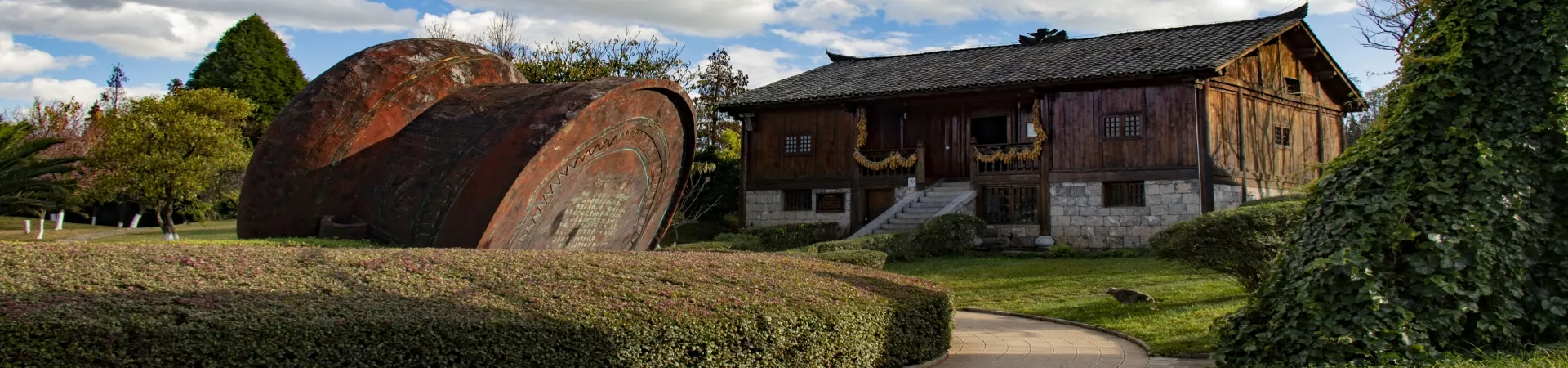
Architectural Wonders: Each hamlet features authentic or meticulously recreated traditional buildings. You can wander through the iconic bamboo Dai stilt houses, admire the elegant, white-walled courtyards of the Bai people, and explore the unique "tuzhangfang" of the Yi community – earthy, fortress-like structures that are a distinctive architectural highlight. Beyond dwellings, you'll encounter functional spaces like Yi wine-brewing workshops, cultural towers, and village squares, offering glimpses into traditional livelihoods.
Cultural Demonstrations and Crafts: The villages are alive with activity. Artisans demonstrate age-old crafts such as pottery-making, weaving, embroidery, and silver-smithing. These are not just displays; they are active practices, and you can often observe the meticulous skill involved and purchase directly made souvenirs. Throughout the day, various squares and stages host short, rotating performances of traditional music and dance, filling the air with the sounds of unique instruments and songs.
Highlight Villages: While all sections are fascinating, two areas often stand out. The Dai Village is a perennial favorite, with its serene water features and graceful architecture. The Yi Village is equally compelling for its powerful, earthy aesthetic and the opportunity to learn about their unique customs and history. These villages offer particularly rich and photogenic insights into their respective cultures.
Festivals and Seasonal Events To witness the village at its most dynamic, plan your visit to coincide with major ethnic festivals. During these times, the usual activities are amplified into grand, joyful celebrations.
The Spectacle of Water-Splashing Festival: Usually in mid-April, the Dai and Blang people's New Year celebration transforms parts of the village into a playful, watery revelry. It's a joyous event symbolizing the washing away of misfortune and the welcoming of good luck.
The Excitement of Torch Festival: Held around the 24th to 26th of the sixth lunar month (often July or August), this primarily Yi festival turns the evening sky ablaze with light. Expect thrilling performances, traditional wrestling, bullfights, and the mesmerizing sight of giant torches and dancing sparks, symbolizing the expulsion of evil and the hope for a good harvest.
Attending these festivals provides an unforgettable, energetic deep dive into the spiritual and communal heart of these cultures.
Essential Visitor Information
Getting There: * By Bus: The most straightforward public transport option is to take bus number 94 and alight at the Haigong Park (Haigong Yuan) station. From there, it's a short walk to the village entrance. * By Cable Car: For a spectacular approach, consider the cable car that connects the Yunnan Nationalities Village with the nearby Western Hills (Xishan) Forest Park. The cableway station is located near the village's southwest gate. This option offers breathtaking aerial views of Dianchi Lake. A one-way ticket costs approximately 40 RMB, while a round-trip is around 70 RMB.
Admission Details: The standard adult entrance ticket is priced at 90 RMB per person, valid year-round. The village operates a detailed discount policy: * Half-price Tickets (45 RMB): Available for minors aged 7-18, full-time students with valid ID, and seniors aged 60-69. * Free Admission: Granted to children under 6 or shorter than 1.2 meters; seniors aged 70 and over (with one accompanying caregiver free for those over 80); active-duty and retired military personnel, disabled veterans; individuals with disabilities (with one caregiver); holders of national or provincial model worker certificates; active and retired firefighters; journalists with prior arrangement; and accredited tour guides or travel agency managers. Valid identification is required for all discounted and free entries.
Operating Hours: The village is open daily from 09:00 to 18:00, with the last admission at 17:00. It is advisable to allocate a minimum of three hours for a meaningful visit, though a full half-day allows for a more relaxed and comprehensive experience, including watching several performances and engaging with artisans.
Contact: For any inquiries, you can reach the administration at 0871-64311255 or 0871-68279327.
A visit to the Yunnan Nationalities Village is a journey through the soul of Yunnan. It is an accessible, engaging, and beautifully presented portal into the traditions that have shaped this diverse corner of China, leaving visitors with a profound appreciation for its ethnic heritage.