stone forest
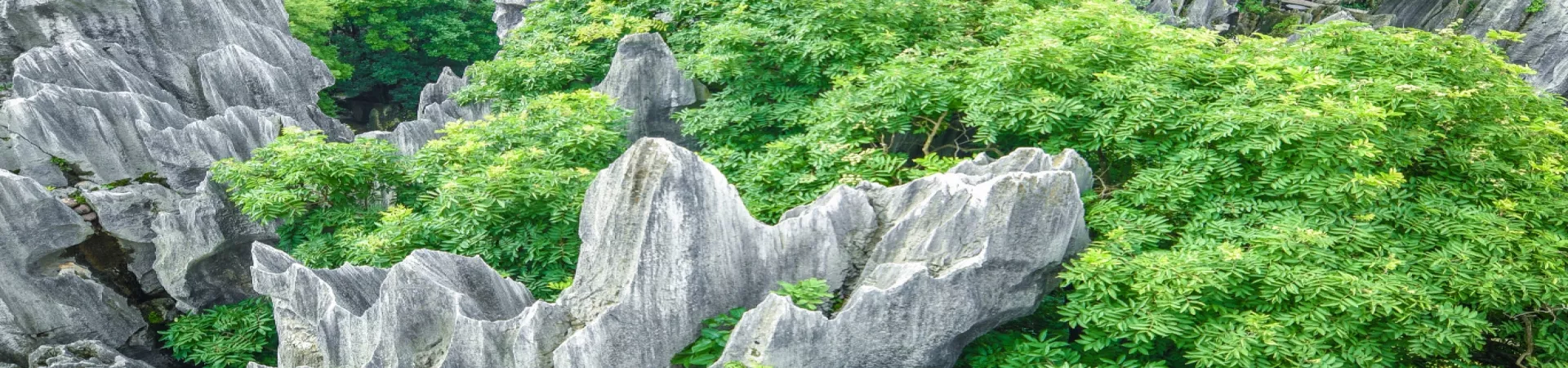
A Visitor's Guide to the Stone Forest Geological Park, Kunming
Nestled approximately 78 kilometers southeast of Kunming, the capital of Yunnan Province, the Stone Forest Geological Park (Shilin) stands as one of China's most spectacular and iconic natural wonders. Designated a UNESCO World Heritage Site for its exceptional karst formations, it offers visitors a breathtaking journey through a labyrinth of ancient stone.
The Geological Marvel: A Karst Masterpiece
- A World of Stone: The park is a premier example of a karst landscape formed over 270 million years. The main geological features are karst landforms, with the stone forest morphology taking center stage. What visitors encounter today is the result of countless centuries of water erosion dissolving the limestone bedrock, followed by seismic shifts that lifted the formations skyward, where wind and rain continued the sculpting process.
- A Symphony of Forms: The Stone Forest is not a monolithic sight but a diverse gallery of natural sculpture. It showcases a stunning variety of karst shapes. Towering pinnacles, majestic columns, mushroom-shaped rocks, and pagoda-like towers are the classic representatives, creating a surreal, petrified forest. This complex landscape truly constitutes a panoramic view of karst geology, featuring not only the namesake stone forests but also:
- Solutional Caves and Stalactites: Intricate underground networks adorned with calcite deposits.
- Karst Lakes: Serene, emerald-green pools nestled between the stones.
- Natural Bridges and Cliffside Waterfalls: Arches of rock and cascading water adding dynamic beauty.
- Conical Peaks: Rounded hills that represent different stages in karst development.
Planning Your Visit: Essential Information
To ensure a smooth and enjoyable experience, here are the key logistical details you need to know.
Getting There The most straightforward way to reach the Stone Forest from Kunming is by tourist coach. Buses depart from the Kunming East Passenger Bus Station (Kunming Dongbu Qiche Keyun Zhan). Services run from 08:00 to 18:00, typically departing when full. The journey takes about 2 hours each way. For greater flexibility, private taxis or hired cars are also available, though at a higher cost.
Admission Fees The park operates on a tiered ticketing system. All prices are in Chinese Yuan (RMB).
- Main Entrance Ticket:
- General Admission: 130 RMB
- Half-price Ticket (65 RMB): Applicable to:
- Minors aged 7-18 (inclusive).
- Seniors aged 60-69 (inclusive).
- Full-time undergraduate students and below with valid student ID.
- Holders of a Veterans' Preferential Certificate.
- Complimentary Admission: Granted to:
- Children under 6 years old or with a height of 1.2 meters and below.
- Seniors aged 70 and above, or holders of a "Retirement Certificate".
- Persons with disabilities (holders of valid certificates; those with first or second-degree severe disabilities may bring one companion free of charge).
- Holders of the "Yunnan High-Level Talent Green Channel Service Certificate", who may bring up to 5 family members.
- Active-duty firefighters, fire rescue academy students, and retired military personnel with valid IDs.
- Holders of the "Kunming Honorary Certificate for Blood Donation".
- Seniors over 60 within Yunnan Province, with ID or senior citizen优待证.
- And other specified groups as listed (e.g., national moral/model workers, certain high-level talent card holders).
- Main Entrance Ticket:
Park Transportation The scenic area is vast. An electric sightseeing car (shuttle bus) service is available for 25 RMB per person to transport visitors between major sections. This ticket is free for: 1. Seniors aged 70+ or with a "Retirement Certificate". 2. Visitors with disabilities. 3. National Moral Models and National Labor Models. 4. Children under 1.2 meters tall.
Operating Hours The Stone Forest is open year-round.
- Opening Time: 07:30
- Last Admission: 17:30
- Closing Time: 17:30 It is advisable to arrive early to avoid the largest crowds and to have sufficient time for exploration.
Exploring the Park: Key Areas and Highlights
The park is divided into several distinct sections, each with its own character.
The Major Stone Forest (Da Shilin) This is the most concentrated and impressive area, featuring the tallest and most densely packed formations. Winding pathways lead you through narrow canyons and past iconic stones with names like "Sword Peak Pond" and "Ashima," the latter inspired by a legendary maiden of the local Yi people. This area can be busy but is considered the unmissable core of the park.
The Minor Stone Forest (Xiao Shilin) and Naigu Stone Forest Slightly less crowded, the Minor Stone Forest offers a more intimate experience with equally fascinating shapes. The Naigu Stone Forest area, part of the broader geopark, presents a darker, grey-black limestone formation, providing a different aesthetic and geological perspective. Its textures and forms are distinct from the lighter grey stones of the main area.
Cultural Integration: The Sani Yi People The Stone Forest is not just a natural site but also the ancestral home of the Sani branch of the Yi ethnic group. Their vibrant culture is woven into the landscape. Look for intricate embroidery sold by local vendors and listen for the haunting melodies of their folk songs. The famous "Ashima" legend is a cornerstone of their folklore, deeply connected to the stones themselves. Visiting during local festivals, like the Torch Festival, offers a chance to witness colorful traditional performances.
Practical Tips for an Enhanced Experience
- Suggested Duration: Allocate a minimum of 3-4 hours to explore the main areas without rushing. A full day allows for a more leisurely pace and visits to more remote sections.
- Footwear and Clothing: Comfortable, sturdy walking shoes with good grip are essential as paths involve stairs and uneven stone surfaces. The weather can change quickly; bring a hat, sunscreen, and a rain jacket or umbrella.
- Guides and Navigation: Consider hiring a local guide at the entrance (available for a fee). They provide invaluable context about the geology, point out hidden formations, and share local legends. Alternatively, maps are available, and main paths are well-signposted.
- Best Time to Visit: The park is open year-round. Spring (March-May) and autumn (September-November) offer the most pleasant weather. While summer is lush, it is also the rainy season and peak tourist period. Winter is cooler and less crowded, with clear skies often providing excellent photographic conditions.
Information last updated: October 2023. Details such as ticket prices and bus schedules are subject to change; verification before your visit is recommended.