Xingkai Lake Tourist Resort
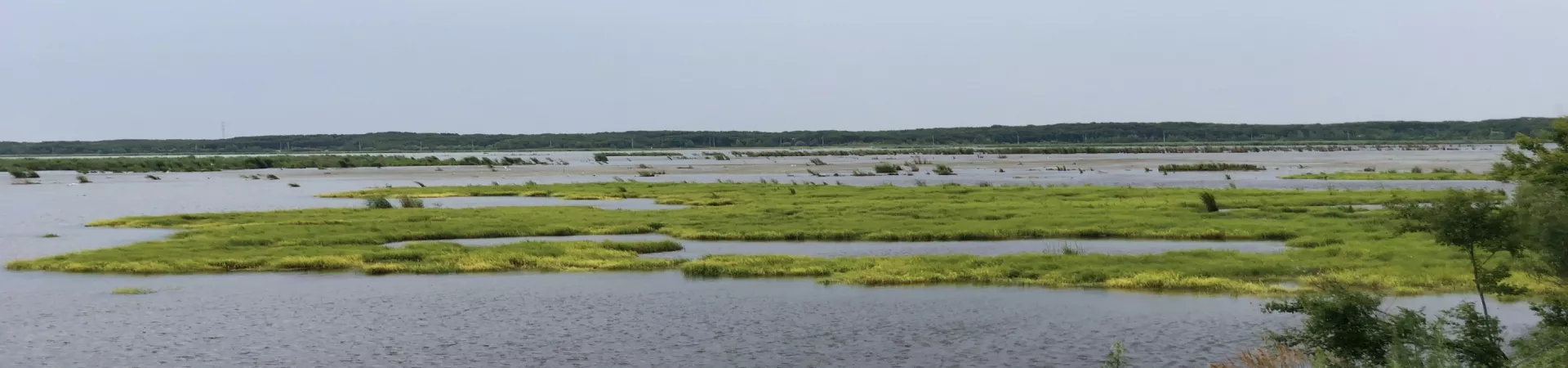
A Comprehensive Guide to Xingkai Lake Tourist Resort, Jixi, China
Subtitle: Exploring the Ecological and Historical Gem on the Sino-Russian Border
1. Introduction to Xingkai Lake Nestled in the eastern part of Jixi City, Heilongjiang Province, Xingkai Lake stands as a magnificent testament to natural forces and historical变迁. Located approximately 35 kilometers from Mishan City, this vast body of water was formed by ancient volcanic eruptions and subsequent land subsidence. It is a transboundary lake, serving as a border between China and Russia. Historically entirely within Chinese territory, it became a Sino-Russian boundary lake following the Sino-Russian Convention of Peking in 1860. Today, the northern one-third of its area belongs to China, while the southern portion is under Russian administration.
2. Geographical and Hydrological Profile * 2.1. Scale and Dimensions: With a total area of 4,380 square kilometers, Xingkai Lake is an expansive freshwater ecosystem. Its Chinese shoreline stretches approximately 90 kilometers. The lake spans about 60 kilometers in width from east to west and extends roughly 140 kilometers in length from north to south. * 2.2. Physical Characteristics: The lake surface sits at an elevation of 69 meters above sea level, with a maximum depth reaching 10 meters. The Chinese side of the lake, particularly around the Great Xingkai Lake, predominantly features sandy and gravelly shallows, creating accessible beach areas. * 2.3. Water System: The lake is fed by nine rivers, and its waters eventually drain northeastward, ultimately flowing into the Wusuri River (Ussuri River). Its geographical coordinates are approximately 45°20′ North latitude and 132°40′ East longitude.
3. Ecological Significance and Biodiversity Xingkai Lake is classified as a mesotrophic lake, maintaining a generally healthy and balanced ecosystem. It is recognized as one of Heilongjiang Province's key aquaculture bases and serves as a crucial hub within the Northeast Asian migratory bird flyway.
- 3.1. Aquatic Resources:
- 3.1.1. Fish Species: The lake boasts a rich ichthyofauna of 65 species across 12 families and 6 orders. Its most celebrated inhabitant is the Xingkai Lake whitefish (commonly known as "Dabaiyu"), a local specialty renowned as one of China's "Four Major Freshwater Delicacy Fish." Other notable species include mandarin fish, crucian carp, and various carp species.
- 3.1.2. Crustaceans: Crustacean populations are dominated by shrimp, with the white shrimp being another famous aquatic product from the lake.
- 3.2. Avian Sanctuary:
- 3.2.1. Migratory Bird Haven: Every April, the ice-free waters at the Songacha River estuary become a critical staging ground for massive flocks of migratory birds. The area hosts 190 bird species from 39 families and 16 orders.
- 3.2.2. Protected and Rare Species: The Xingkai Lake Nature Reserve places strong emphasis on the protection of rare birds. It is home to five species classified as National First-Class Protected Birds in China: the Red-crowned Crane, the Oriental Stork, the White-tailed Eagle, the Golden Eagle, and the Steller's Sea Eagle.
4. Tourism and Visitor Information The Chinese section of the Xingkai Lake area has been developed into a comprehensive tourist resort, offering scenic beauty, ecological interest, and historical context.
- 4.1. Key Attractions:
- 4.1.1. Lakeshore Landscape: Visitors can enjoy the unique scenery of the sandy beaches along the Great Xingkai Lake, with views stretching towards the horizon.
- 4.1.2. Bird Watching: Spring, especially around April, provides exceptional opportunities for bird watching at key sites like the estuary, a must for nature enthusiasts and photographers.
- 4.1.3. Local Cuisine: Sampling the lake's freshwater delicacies, particularly the famed Xingkai Lake whitefish and white shrimp, is an essential culinary experience.
- 4.2. Practical Travel Details:
- 4.2.1. Admission Fee: The general entrance fee is approximately 40.00 RMB.
- 4.2.2. Opening Hours: The resort area is typically accessible 24 hours a day, throughout the year.
- 4.2.3. Suggested Duration: A full day (around 1 day) is recommended to adequately explore the main sights, enjoy the lakeside environment, and appreciate the local offerings.
5. Environmental Considerations While the lake's ecosystem is currently in a良性 state, it faces environmental pressures. Primary among these is historical and potential pollution, notably from sources such as paper mill discharges. Conservation efforts within the nature reserve are crucial for sustaining the lake's rich biodiversity, particularly its precious avian and aquatic populations, for future generations.