Wusuli River
Subtitle: A Journey to the Unpolluted River Where the Sun First Rises in China
1. Introduction: The Dawn River Flowing as a vital border river along the northeastern frontier between China and Russia, the Wusuli River, known as the Amur in Russia, is a majestic tributary on the right bank of the mighty Heilongjiang (Amur River). Its journey begins at the foothills of the Sikhote-Alin Mountains near the coastal reaches of eastern Jilin province. Stretching approximately 905 kilometers in length and commanding a vast basin area of about 1,870,000 square kilometers, it is more than a geographical boundary. Its Manchu name, meaning "the river in the water" or poetically, "the river of the sunrise in the east," holds profound truth. The Wusuli River is celebrated as the very place where the first rays of the sun touch the land of China each morning. Furthermore, it carries the distinguished and rare honor from UNESCO of being recognized as an unpolluted river, a pristine aquatic treasure in a modern world.
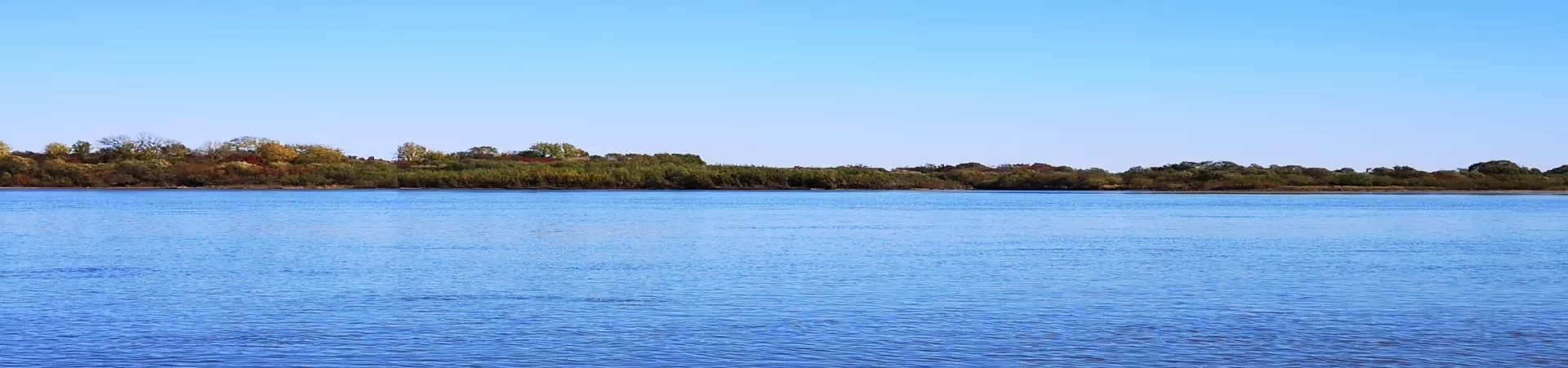
2. The Pristine Landscape: A Natural Sanctuary 2.1. A Tapestry of Unspoiled Beauty The true allure of the Wusuli River lies in its breathtaking and well-preserved natural environment. The recognition by UNESCO is not merely a title but a testament to the crystal-clear waters and the vibrant ecosystems it sustains. The riverbanks present a mesmerizing tapestry of landscapes that change with the seasons. Lush, dense forests, vast wetlands, and rolling plains frame the river's course, creating a habitat for diverse flora and fauna.
2.2. Seasonal Spectacles Each season paints the Wusuli River region with a different palette. In spring and summer, the banks explode with verdant greenery and wildflowers, reflected perfectly in the river's calm stretches. The air is fresh, filled with the sounds of birds, including rare migratory species. Autumn transforms the scene into a fiery spectacle of gold, amber, and crimson as the Siberian forest leaves turn, offering a photographer's paradise. Winter covers the landscape in a silent, majestic blanket of snow, with the river sometimes partially frozen, creating a stark, serene, and powerful beauty unique to the northern frontier.
3. Practical Visitor Information 3.1. Getting There: Accessing the Frontier Due to its location as a border region and the desire to maintain its pristine condition, mass tourism infrastructure is minimal, preserving its tranquility. The most feasible and recommended methods of visiting are: * Self-Driving: Offering the ultimate flexibility to explore the river's accessible viewpoints and surrounding countryside at your own pace. A private vehicle allows for stops at scenic spots along the border roads. * Private Charter (Bao Che): Hiring a local driver with a vehicle is an excellent alternative. It provides the convenience of guided travel without navigation worries, and drivers often have knowledge of the best, less-touristed spots to view the river.
3.2. Duration of Visit A visit to fully appreciate the Wusuli River's grandeur typically requires 1 to 3 hours. This allows sufficient time to travel to key vantage points, immerse oneself in the panoramic views, take photographs, and simply absorb the profound peace and scale of the landscape. For enthusiasts of photography, nature walks, or fishing in designated areas, a longer stay within the day is highly rewarding.
3.3. Admission and Operational Details * Admission Fees: There is no standardized entrance fee for the Wusuli River border area itself, as it is a natural geographical feature. However, specific designated viewing platforms, nearby parks, or managed scenic spots that offer enhanced services or facilities may have their own charges. It is advisable to check directly with any local visitor center or tourism office for the most current information regarding particular sites you plan to visit. * Opening Hours: The natural landscape of the Wusuli River is accessible 24 hours a day, 7 days a week, throughout the year. The "open time" refers to the constant accessibility of the area. However, practical accessibility can be influenced by weather conditions, especially heavy snow in winter or periods of heavy rain. Road access to certain viewpoints may also be subject to local regulations or seasonal closures for environmental protection.
4. Cultural and Ecological Significance 4.1. More Than a Borderline While it serves as a political boundary, the Wusuli River is a shared ecological lifeline. Its status as an unpolluted river is crucial for the health of the entire Amur River basin, supporting fisheries and biodiversity on both sides. This clean water source is a point of pride and a critical responsibility for conservation efforts in the region.
4.2. The Symbolism of the Dawn The identity of the Wusuli River as "the river of the sunrise in the east" is deeply woven into the local cultural consciousness. It symbolizes a beginning, purity, and enduring natural strength. Visiting the river, especially at dawn, is not just a scenic experience but a symbolic one—standing at the edge of the nation where a new day begins, greeted by silence broken only by nature and the flowing of pristine waters that have witnessed centuries of history. It is a place for reflection on the enduring power and beauty of the natural world, remarkably preserved in this remote and beautiful corner of Northeast Asia.