Tiger Head Fortress
Subtitle: A Journey into History: Exploring the Hutou Fortress in Jixi, China
Introduction: A Sentinel on the Eastern Frontier
Nestled near the town of Hutou in Jixi City, Heilongjiang Province, the Hutou Fortress stands as a somber and monumental relic of 20th-century warfare. Located on a strategic hill overlooking the meandering Ussuri River, which forms the border between China and Russia, this vast underground military complex was constructed by the Imperial Japanese Army between 1934 and 1939. Its primary purpose was to serve as a formidable forward base and a linchpin in Japan's defensive perimeter against the Soviet Union. Today, transformed into a museum and a national patriotic education base, the fortress offers visitors a profound and unsettling journey into the past. It is not merely a tourist attraction but a place of remembrance, where the echoes of conflict and the resilience of the human spirit are palpably felt amidst the cold, damp tunnels and restored surface structures.
1. Historical Context and Strategic Significance
1.1. The Geopolitical Landscape of the 1930s Following the Japanese establishment of the puppet state of Manchukuo in 1932, the border with the Soviet Union became a zone of intense military tension. The Hutou area, with its commanding views over the Ussuri River valley, was identified as a critical defensive point. The fortress was designed to be a self-sustaining bastion, intended to withstand a prolonged siege and inflict maximum casualties on any advancing Soviet forces.
1.2. Construction and Scale: A Colossal Underground City The scale of the Hutou Fortress is staggering. Forced Chinese laborers, under brutal conditions, carved out a labyrinthine network of tunnels, bunkers, command centers, barracks, ammunition depots, hospitals, kitchens, and power stations deep within the granite hills. The complex spanned nearly 100 square kilometers on the surface, with the underground passages extending for several kilometers. It was equipped with the most advanced military technology of the time, including heavy artillery emplacements, some with guns capable of firing shells over 40 kilometers. The fortress was touted as a permanent, impregnable stronghold.
2. The Final Battle and Liberation
2.1. The Soviet Onslaught in August 1945 The fortress's ultimate test came in August 1945, when the Soviet Union declared war on Japan and launched a massive offensive into Manchuria. On August 9, the Red Army assaulted the Hutou Fortress. What Japanese commanders believed would hold for months was subjected to devastating artillery barrages and determined infantry attacks.
2.2. The Fall of the "Impregnable" Fortress Despite fierce resistance from the Japanese garrison, which reportedly fought to the last man, the Soviet forces secured the surface positions within a week. However, pockets of Japanese soldiers retreated into the deepest tunnels, refusing to surrender or believe the news of Japan's overall capitulation. Isolated and trapped, the last holdouts were not subdued until days, and in some accounts weeks, after the official end of hostilities, marking a tragic and futile end to the fortress's military role.
3. Exploring the Fortress Today: A Museum of Memory
3.1. The Underground Labyrinth Visitors to the site today can descend into a section of the restored tunnels. The experience is immediately atmospheric: the air turns cool and damp, the passages are narrow and low-ceilinged, and the original concrete and rock walls bear the scars of combat. Walking through these silent corridors, past chambers that once housed generators, field hospitals, and command posts, one gains a visceral understanding of the claustrophobic and harsh conditions endured by both the garrison and the laborers who built it.
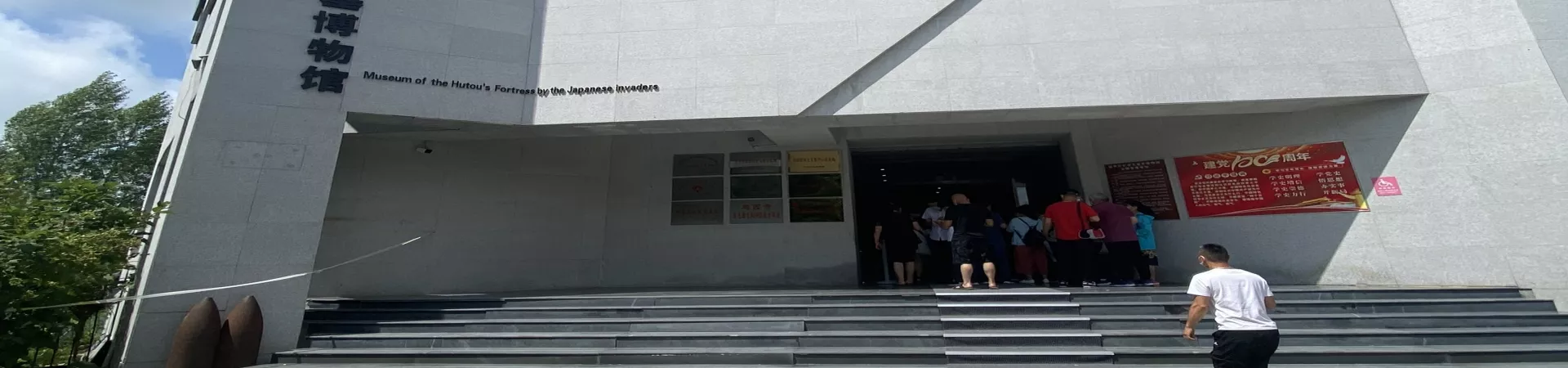
3.2. Surface Exhibits and Memorials Above ground, the site is equally compelling. Several large artillery pieces, including a massive 41-cm gun turret, remain in their original emplacements. The Hutou Fortress Museum houses extensive exhibitions featuring historical photographs, documents, military artifacts, and maps that detail the construction, the battle, and the broader context of the war. Perhaps most poignant are the exhibits dedicated to the forced laborers, whose suffering and loss are memorialized.
3.3. The Monument to the Soviet Soldiers A large obelisk and cemetery on the grounds honor the Soviet soldiers who fell during the assault. This memorial adds another layer to the site's historical narrative, acknowledging the shared sacrifice in the fight against militarism.
4. Practical Visitor Information
4.1. Location and Access The Hutou Fortress is located approximately 70 kilometers from Hulin city and about 150 kilometers from Jixi city center in Heilongjiang Province. The most convenient way to visit is by private vehicle or hired taxi. Some tour operators in major cities like Harbin may offer guided trips to the region, which can include Hutou.
4.2. Opening Hours and Admission The fortress operates with seasonal hours. It is advisable to confirm times before your visit, as they are subject to change. * Summer Season (June 1 - August 31): Open from 08:30 to 16:30, with last admission at 16:00. * Winter Season (December 1 - February 28/29): Open from 09:00 to 16:00, with last admission at 16:00. * Shoulder Seasons: It is recommended to contact the site directly for hours during spring (March-May) and autumn (September-November).
4.3. Contact Details For the most current information regarding opening hours, special closures, or guided tour availability, visitors can contact the site directly at +86-467-5939877.
4.4. Tips for Your Visit * Dress Appropriately: The underground tunnels are cold and damp year-round. Even in summer, bring a jacket or sweater. * Footwear: Wear sturdy, comfortable shoes with good grip, as the tunnels and surface paths can be uneven and slippery. * Mind Your Head: Be cautious of low ceilings and doorways within the tunnel complex. * Allow Ample Time: To fully absorb the historical significance and explore both the museum and the extensive grounds, allocate at least 2 to 3 hours for your visit. * Reflective Visit: The site is a war memorial. Visitors are encouraged to maintain a respectful and contemplative demeanor.