Cultural Square
Subtitle: A Cultural Heartbeat in the Heilongjiang Frontier
1. Introduction: The Gathering Place of a Resilient City
Nestled in the heart of Jixi, a pivotal city in southeastern Heilongjiang Province known for its coal mining heritage and stunning borderland scenery, lies the Jixi Cultural Square. More than just an open space, it serves as the vibrant urban living room and the symbolic core of the city's community spirit. For any visitor seeking to understand the soul of Jixi—beyond its industrial prowess and natural wonders like the majestic Xingkai Lake—this square offers an essential, immersive introduction. It is a dynamic stage where the city's historical layers, cultural pride, modern aspirations, and the simple joys of daily life converge in a harmonious public spectacle.
2. Architectural Layout and Symbolic Design
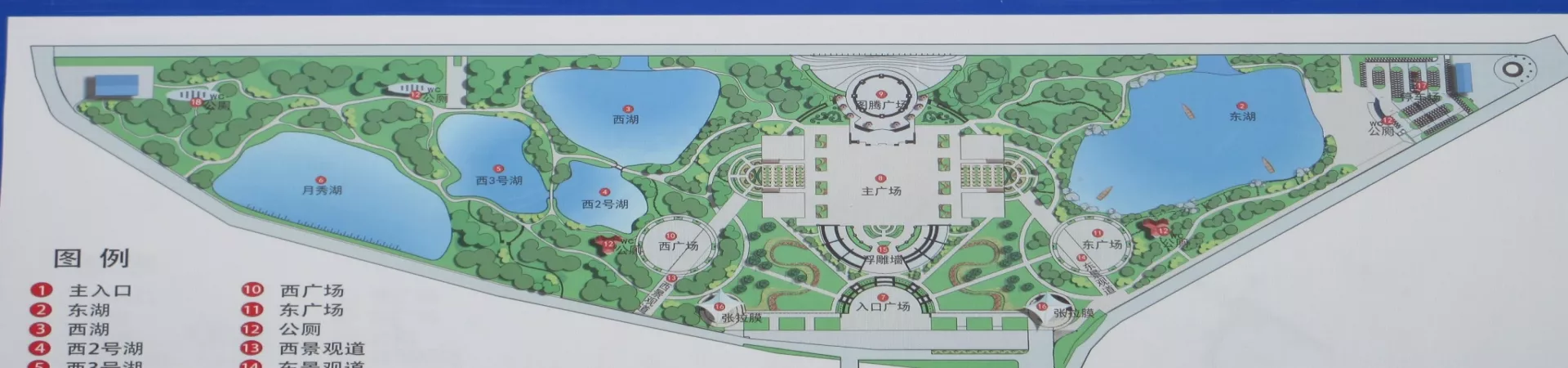
2.1. Spatial Composition and Grandeur The square is characterized by its expansive scale and thoughtful design, creating a sense of openness that contrasts with and complements the surrounding urban architecture. It is typically divided into distinct functional zones, including a central gathering area, green spaces, pedestrian walkways, and performance venues. The use of granite and other durable materials underfoot conveys both permanence and a sense of civic dignity.
2.2. Central Monuments and Cultural Motifs Dominating the visual landscape is often a central monument or sculpture group that embodies the spirit of Jixi. Common themes pay homage to the city's defining legacy: * The Miner's Spirit: Sculptures or reliefs depicting miners often take pride of place, a powerful tribute to the generations whose labor in the depths powered the city's growth. This imagery connects the square directly to Jixi's identity as the "Capital of Coal." * Ecological Harmony: Given Jixi's proximity to the wetlands of Xingkai Lake, a vital migratory bird habitat, design elements may incorporate motifs of cranes or other avian life, symbolizing the city's commitment to ecological balance and its natural beauty. * Modernist Fountains: Large musical fountains are frequently a centerpiece. By day, they add a sense of movement and reflection; by night, they transform into a dazzling symphony of light, water, and sound, representing the city's vibrant energy and modern vitality.
3. The Square as a Living Cultural Tapestry
3.1. A Stage for Public Life and Festivity The true essence of the Cultural Square is revealed through its daily and seasonal use. It functions as the primary venue for Jixi's most important cultural and civic events: * Festivals and Celebrations: During national holidays like Chinese New Year or International Labor Day, the square becomes a sea of color and activity, adorned with decorations and hosting large-scale public celebrations. * Cultural Performances: It serves as an open-air theater for traditional song and dance performances, concerts, and exhibitions that showcase local Manchu, Korean, and Han cultural traditions, fostering a strong sense of regional identity. * Civic Gatherings: Official ceremonies, public memorials, and community rallies all find their home here, underlining the square's role as the city's democratic and social forum.
3.2. The Rhythms of Daily Recreation Beyond formal events, the square pulses with the everyday rhythms of community life. As dusk falls and the summer heat wanes, it undergoes a magical transformation: * Community Dancing: Large, organized groups gather for square dancing (guangchang wu), a beloved national pastime, where synchronized movements to popular music create a captivating display of communal joy. * Leisure and Play: Families stroll with children, friends chat on benches, seniors practice tai chi at dawn, and fly kites. This constant, informal activity showcases the square's role as an essential respite from urban life. * A Culinary and Commercial Glimpse: The perimeter of the square often buzzes with small vendors selling local snacks, drinks, and handicrafts, offering visitors a taste of local flavors and a chance to observe everyday commerce.
4. Strategic Location and Visitor Experience
4.1. The Urban Nexus Jixi Cultural Square's significance is amplified by its strategic location. It is invariably situated adjacent to other key municipal landmarks, such as: * City Government Buildings: This proximity symbolizes the link between the people and their administration. * Museums or Libraries: Often, the square is part of a cultural complex that may include the Jixi City Museum, where visitors can delve deeper into the region's geological and human history after absorbing the square's ambient culture. * Central Shopping Districts: Its position makes it a natural transition point between civic, cultural, and commercial areas of the city.
4.2. Tips for an Immersive Visit To fully appreciate the square, consider the following: * Timing is Key: Visit twice—once during the day to appreciate its architectural scale and monuments, and again in the evening (especially on weekends or holidays) to witness it come alive with communal energy and, often, spectacular fountain light shows. * Engage Observantly: Take time to sit and observe. Watch the interactions between people, the unspoken rituals of the dance groups, and the relaxed pace of family outings. This is where you feel the city's heartbeat. * Combine Your Journey: Use the square as your orientation point. Plan visits to the nearby museum, government buildings for architectural photography, or local eateries surrounding the area to make a comprehensive cultural half-day itinerary.
In essence, Jixi Cultural Square is not merely a destination but an experience—a dynamic, open-air narrative of a city built on industry, rich in natural gifts, and defined by the resilient, community-oriented spirit of its people. It stands as a must-visit portal to understanding the authentic character of this unique frontier city in Heilongjiang.