Qingming Riverside Map
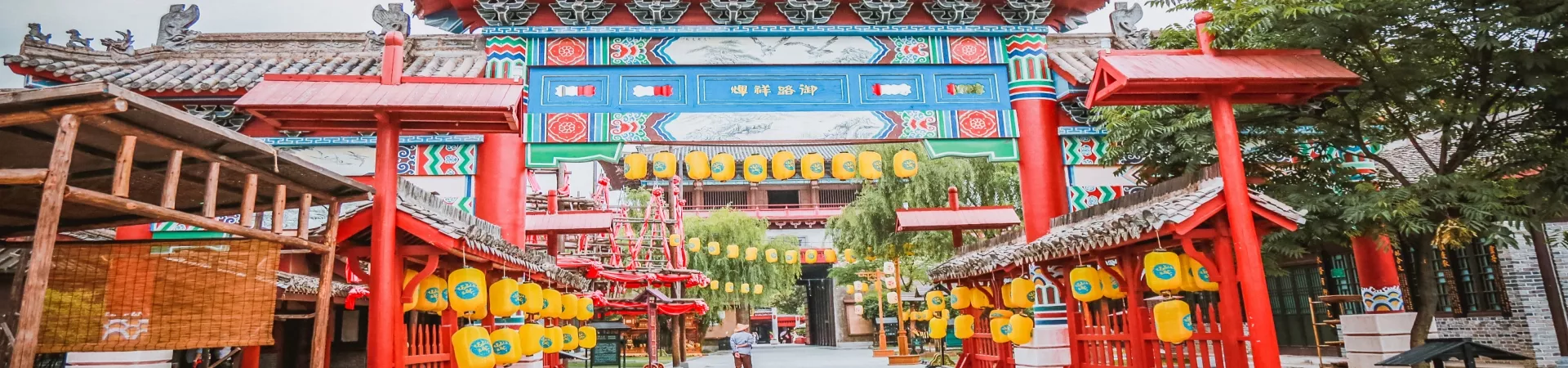
Subtitle: A Living Journey into a Northern Song Dynasty Masterpiece
1. Introduction: Stepping into a Painted Scroll Nestled within the sprawling complex of the Hengdian World Studios in Jinhua, Zhejiang, the "Along the River During the Qingming Festival" scenic area is far more than a mere attraction; it is a breathtaking, three-dimensional realization of one of China's most iconic cultural artifacts. This meticulously crafted park brings to life the famed panoramic painting by the Northern Song Dynasty artist Zhang Zeduan, offering visitors an unparalleled opportunity to walk through the bustling streets, serene countryside, and vibrant waterways of Bianjing (modern-day Kaifeng), the ancient capital, as it was depicted over a millennium ago. It serves as both a profound historical immersion and a testament to cinematic artistry, functioning as a major film and television production base.
2. Exploring the Three Scrolls: The Thematic Zones The park is architecturally and thematically divided into three primary sections, mirroring the composition of the original scroll. Each zone offers a distinct atmosphere and a glimpse into different facets of Song Dynasty life.
2.1. The Spring Light of Bianjing's Outskirts This area recreates the tranquil and pastoral beginning of the painting. Visitors are greeted with peaceful rural scenery—thatched cottages, quiet paths, lush fields, and gentle streams. It sets the stage for the journey, evoking the serene "Qingming" spirit of the festival for which the painting is named. The pace here is leisurely, allowing for a moment of calm before delving into the urban excitement that follows.
2.2. The Bustling Bian River Scene This is the dynamic heart of the painting and the park. A meticulously constructed river channel, representing the vital Bian River, is abuzz with activity. Authentically recreated wooden sailing junks and cargo boats line the wharves, while a stunning replica of the Hongqiao (Rainbow Bridge) arches over the water. The area is filled with the simulated hustle of dockworkers, merchants, and travelers, capturing the essence of the Song Dynasty's economic vitality and sophisticated water transport system. The architecture along the banks, including warehouses, tea houses, and shops, is built with remarkable historical detail.
2.3. The Lively City Streets and Markets Passing through imposing city gates, visitors enter the vibrant urban core of Bianjing. This section features expansive, intricately designed sets of bustling commercial streets, government offices, grand mansions, and crowded market squares. The streets are lined with shops, restaurants, and handicraft stalls where artisans often demonstrate traditional skills. The dense, lively atmosphere here perfectly encapsulates the prosperous urban culture of the period, making it a favorite location for filmmakers seeking authentic historical backdrops.
3. Live Entertainment and Cinematic Legacy Beyond its static beauty, the park pulsates with scheduled performances that add layers of excitement to the visit.
3.1. The Must-See Performance: "Bian Liang Dream" Among several free daily shows, the large-scale acrobatic theater production "Bian Liang Dream" stands out as the park's crown jewel. Staged in a dedicated theater, this performance is renowned for its breathtaking artistry, impressive scale, and professional execution. It weaves traditional Chinese acrobatics, dance, and music into a narrative that evokes the splendor and dreams of the Song capital, leaving audiences thoroughly impressed. Checking its daily showtimes upon arrival is highly recommended.
3.2. A Renowned Film and Television Base The park's authentic architecture and atmosphere have made it a magnet for the Chinese film and television industry. Countless historical dramas and wuxia (martial arts) series have been shot within its walls. Fans might recognize its streets and buildings from popular productions such as "Swords of Legends" (古剑奇谭), "The Romantic Swordsman" (小李飞刀), and "The Handsome Siblings" (绝代双骄). This dual identity as a living museum and an active studio adds a unique dimension, where visitors might even witness a filming session in progress.
4. Practical Visitor Information
4.1. Tickets and Opening Hours * Ticket Price: The standard adult admission ticket is 180 RMB. Discounted half-price tickets are available for children with a height between 1.3 and 1.6 meters, certified persons with disabilities, and elderly visitors (men born in or before 1959, women born in or before 1964) upon presentation of valid official ID cards or certificates. Important Note: Failure to present the required physical documentation at the ticket office will result in the need to pay the full price difference before entry. * Operating Hours: * May 1st - October 6th: 08:00 - 17:00 (last entry at 16:30). * October 7th - April 30th: 08:00 - 16:30 (last entry at 16:00).
4.2. Getting There and Around * To Hengdian: Direct long-distance coach services are available from major cities like Hangzhou and Shanghai to the Hengdian Town terminal. * Within Hengdian: An efficient tourist bus network connects the various theme parks of the Hengdian World Studios, including this one. A significant convenience is offered to guests staying at hotels officially partnered with Hengdian Studios: they can enjoy complimentary shuttle bus services to and from the different scenic areas.
4.3. Suggested Visit Duration To fully appreciate the detailed sets, watch at least one major performance like "Bian Liang Dream", and explore the streets at a comfortable pace, a visit of approximately 2 to 3.5 hours is advisable.
Information last updated: September 29, 2023. Credit for updates is acknowledged to contributors from the Hengdian World Studios and the travel community.