Ming and Qing Palace Gardens
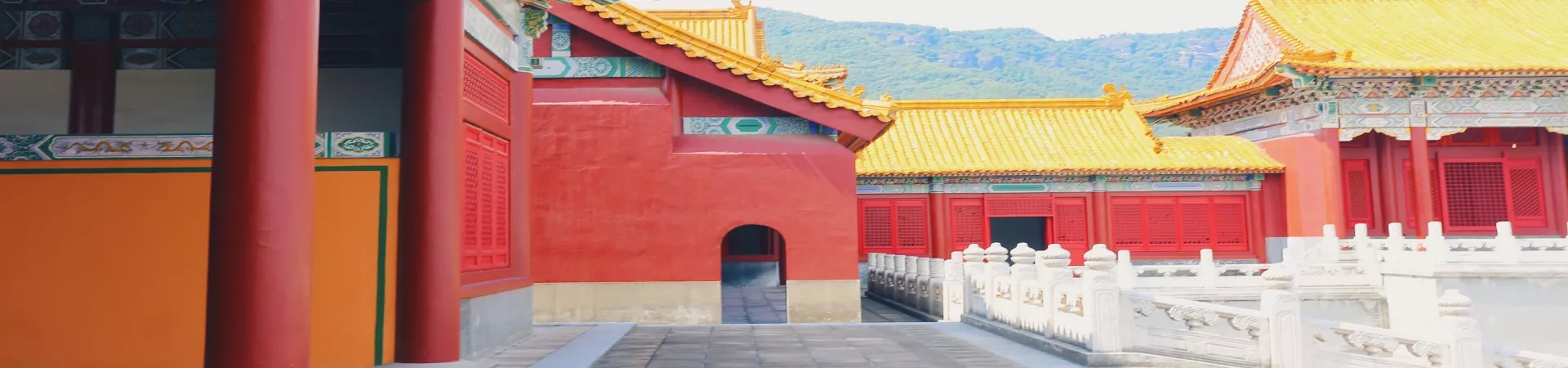
Subtitle: A Cinematic Journey Through Imperial China
1. Introduction Nestled within the sprawling complex of Hengdian World Studios, the Ming and Qing Palaces Scenic Area stands as a crown jewel and one of the most iconic attractions. This magnificent site is far more than a mere tourist destination; it is a monumental, full-scale replica of Beijing's Forbidden City, constructed with meticulous attention to detail at a 1:1 ratio. As the largest dedicated film and television production base in Hengdian, it serves as a living bridge between China's illustrious past and its dynamic present-day cinematic culture. Visitors are granted an unparalleled opportunity to walk through history, exploring the vast courtyards, grand halls, and intricate gardens that once formed the epicenter of imperial power, all while witnessing the magic of filmmaking unfold in real-time.
2. Architectural Layout and Key Sights The scenic area is masterfully divided into four distinct architectural series, each offering a glimpse into a different facet of life during the Ming and Qing dynasties.
2.1. The Imperial Capital Complex This section forms the heart of the palace, mirroring the axial layout and solemn grandeur of the original Forbidden City. Visitors can traverse the vast ceremonial plazas, pass through imposing gates, and stand before the majestic throne halls. Key landmarks here include the Wenwu Platform, where imperial examinations and ceremonies were held, and the meticulously recreated main audience halls, adorned with traditional dougong brackets and golden-glazed roof tiles.
2.2. Royal Gardens and Leisure Quarters Beyond the formal state buildings lie the serene Royal Gardens. Designed according to classical Chinese principles, these gardens feature artificial hills, tranquil ponds, elegant pavilions, and winding covered walkways. They offer a peaceful respite and illustrate the imperial family's pursuit of harmony with nature and refined aesthetic pleasure away from courtly duties.
2.3. Princely Mansions and Administrative Offices This area showcases the architecture of Wangfu (Princely Mansions) and Yamen (Government Offices). The mansions, though smaller than the imperial palaces, exhibit exquisite craftsmanship and layout, reflecting the privileged status of the nobility. The yamen buildings provide insight into the bureaucratic machinery that governed the empire, with offices, courtrooms, and archives.
2.4. Hutongs and Traditional Residences To complete the immersive experience, the site includes a network of Hutongs (narrow alleys) and traditional folk residences. This area depicts the everyday life of commoners during the imperial era. Strolling through the Chessboard Street market or the long, colonnaded Thousand-Step Corridor, visitors can imagine the bustling commercial and social activities that thrived in the shadow of the palace walls.
3. A Living Film Set The Ming and Qing Palaces are not static museums but a vibrant, working production studio. Its authentic ambiance has made it the backdrop for countless historical dramas and blockbuster films. Notable productions shot here include Chinese Odyssey, Curse of the Golden Flower, and various adaptations of The Deer and the Cauldron. It is highly common to encounter active film crews, sets under construction, or actors in period costume, offering a fascinating behind-the-scenes look at the creation of cinematic worlds. The presence of these productions adds a layer of contemporary excitement to the historical exploration.
4. Visitor Experience and Practical Information
4.1. Live Performances and Entertainment To further bring history to life, the scenic area hosts several scheduled live performances throughout the day. These shows may include imperial court ceremonies, traditional martial arts demonstrations, or folk dances. It is highly recommended to check the daily performance schedule at the information board near the main entrance upon arrival to plan your visit and avoid missing these engaging displays.
4.2. Tickets and Pricing Admission is ticketed, with different rates applicable: * Standard Adult Ticket: 180 RMB. * Senior Ticket (126 RMB): Applicable to men aged 60 and above, and women aged 55 and above, upon presentation of valid ID. * Concession Ticket (144 RMB): Applicable to teachers, military veterans, and full-time undergraduate students or below, upon presentation of valid official documentation. * Half-price Ticket: Applicable to minors between 8-13 years old and with height 1.3m-1.6m, and persons with disabilities with valid ID. * Free Admission: Granted to children under 7 years old and under 1.3 meters in height, and active-duty military personnel with valid ID. Important Note: All discounted or free tickets require the presentation of original, valid physical documentation. Digital proofs or claims without documents are not accepted, and visitors may be required to pay the full ticket price difference for entry. All information is for reference; final pricing and policy are subject to the scenic area's on-site disclosure.
4.3. Opening Hours and Visit Duration * May 1st - October 7th: 08:00 - 17:00 (Last entry at 16:30). * October 8th - April 30th: 08:00 - 17:00 (Last entry at 17:00). Given the vast size and wealth of detail, a minimum of 3 hours is recommended to fully appreciate the main complexes. Visitors interested in photography, attending performances, or exploring every corner should allocate more time.
4.4. Contact Information For the most current information, especially regarding performance times or special events, visitors can contact the scenic area directly at 0579-86569675.