Guangzhou Street Hong Kong Street
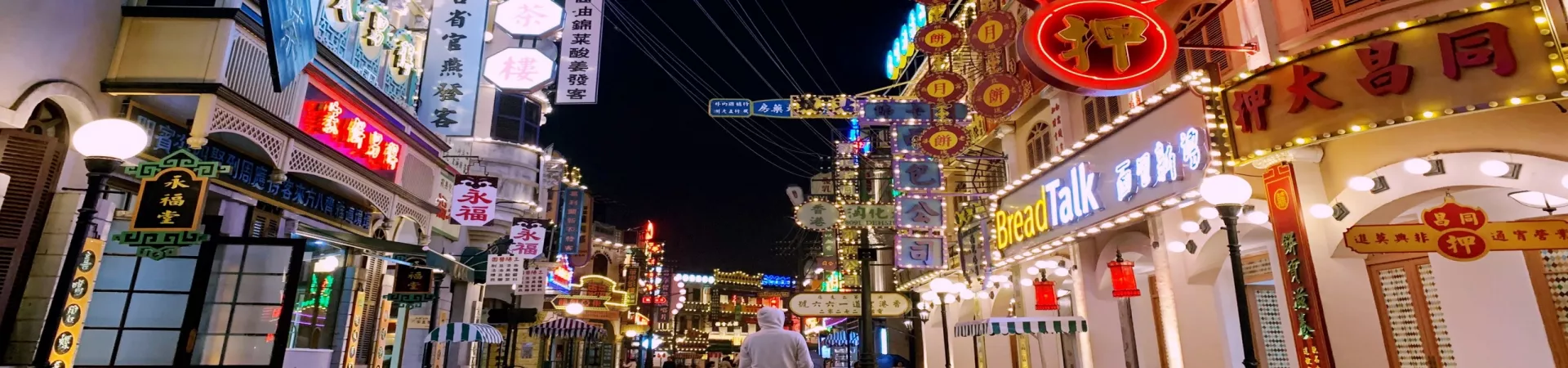
A Cinematic Journey Through Time: Exploring Hengdian's Guangzhou Street and Hong Kong Street
Subtitle: Where Film History Comes Alive in Intricate Detail
Nestled within the colossal Hengdian World Studios in Jinhua, Zhejiang, the Guangzhou Street and Hong Kong Street scenic area is far more than just a collection of film sets. It is the historic cornerstone of China's most famous movie and television production complex and a meticulously crafted portal into two pivotal eras of South Chinese history. Originally constructed in 1996 for the epic historical film The Opium War, this sprawling backlot marked the genesis of the Hengdian empire. Its subsequent expansion to include Hong Kong Street created a unique, immersive destination where visitors can walk through living history, trace the footsteps of cinematic legends, and capture memories of their own.
1. The Birthplace of a Dream: From Film Set to Cultural Landmark The story of this area is inextricably linked to the story of Hengdian itself. Its creation was driven by the ambitious vision to bring the past to life for the silver screen. The successful construction and filming of The Opium War demonstrated the potential for large-scale, permanent set building, laying the foundation for what would become the "Hollywood of the East." Walking these streets, therefore, is to walk on the ground zero of Chinese contemporary film production, offering a tangible connection to the industry's remarkable growth.
2. Stepping into the Past: The Thematic Districts The area is divided into two distinct yet complementary zones, each offering a deep dive into a specific time and place.
2.1. Guangzhou Street: The Port City on the Eve of Change This section is a vivid re-creation of Guangzhou's urban landscape around the period of the First Opium War (1839-1842). It captures the unique atmosphere of a major port city at a crossroads between ancient Chinese traditions and burgeoning foreign influence.
- Architectural Narrative: The architecture tells a story of cultural intersection. Traditional Lingnan-style buildings with their graceful curved roofs and ornate decorations stand alongside the distinct Western-style structures of the Thirteen Foreign Factories (Shisan Yi Guan). These factories, which historically housed foreign merchants, symbolize the complex trade relations and tensions of the era.
- Key Landmarks: A central highlight is the Tianzi Dock, a bustling waterfront area that was once the most important official pier in Guangzhou. This meticulously recreated dock, with its moored period vessels, serves as a powerful visual anchor, evoking images of merchant ships, diplomatic arrivals, and the constant flow of goods and people that defined the city.
2.2. Hong Kong Street: Colonial-Era Glamour and Nostalgia A short stroll transports visitors several decades forward and southward to the bustling, glamorous heart of Victorian-era Hong Kong. This zone recreates the iconic cityscape from the late 19th to early 20th century, under British administration.
- A Street of Icons: The set is dominated by famous thoroughfares like Queen's Road, lined with period-appropriate shops and facades. The stately Government House, the official residence of the British Governor, and the orderly Victoria Barracks compound are recreated with impressive attention to architectural detail, showcasing the colonial power structure of the time.
- A Photographer's Paradise: The romantic, vintage ambiance of Hong Kong Street, with its old-fashioned trams, classic European buildings, and charming alleyways, has made it an immensely popular location for wedding photography. Countless couples choose this backdrop for their婚纱照, adding a layer of modern-day storytelling to the historic setting.
3. A Living Film Studio: The Cinematic Legacy The true testament to the authenticity and versatility of these sets is their enduring popularity with filmmakers. To date, Guangzhou Street and Hong Kong Street have served as the filming location for over 100 major television series and films. This list includes acclaimed historical dramas like 天下粮仓 (Kingdom of Grain) and 雍正王朝 (Yongzheng Dynasty), as well as beloved wuxia series such as 小李飞刀 (The Legend of Dagger Li) and 新霍元甲 (The New Legend of Huo Yuanjia). Visitors might recognize a particular mansion, street corner, or dock from their favorite scenes, blurring the line between tourist attraction and active production lot. The occasional sight of a crew at work adds to the exciting atmosphere.
4. Essential Visitor Information 4.1. Tickets and Admission * Standard Ticket: 180 RMB (Adult). * Concession Ticket (50% discount): Applies to children aged 8-13 (inclusive) or measuring between 1.3m and 1.6m (inclusive); visitors with a valid disability certificate. * Free Admission: Granted to children under 7 years old or under 1.3m in height; active-duty personnel of the PLA, Armed Police, and National Comprehensive Fire Rescue Force; journalists with valid press credentials. * Important Note: All discounted or free admissions require the presentation of original, valid physical identification documents. Failure to present these documents will require payment of the full ticket price for entry.
4.2. Opening Hours Opening hours vary throughout the year. It is crucial to check the schedule before your visit: * February 1 - February 7: 10:00 - 20:00. * February 8 - September 30: 13:00 - 20:30 (Last entry at 20:00). * October 1 - October 6: 10:00 - 20:30 (Last entry at 20:00). * October 7 - December 31: 13:00 - 21:00 (Last entry at 19:00). * January 1 - January 30: 13:00 - 20:30 (Last entry at 20:00).
4.3. Getting There * By Long-Distance Bus: Direct buses to Hengdian are available from major cities like Hangzhou and Shanghai. * Local Transport in Hengdian: Upon arrival in Hengdian Town, take the local Hengdian Bus Line B and alight at the Guangzhou Street Hong Kong Street North Gate (广州街香港街北门) bus stop. The entrance is within walking distance from the stop.
4.4. Suggested Duration A thorough exploration of both streets, allowing time for photography, appreciating architectural details, and visiting any open exhibitions or shows, typically requires 1 to 3 hours.