Fotang Ancient Town
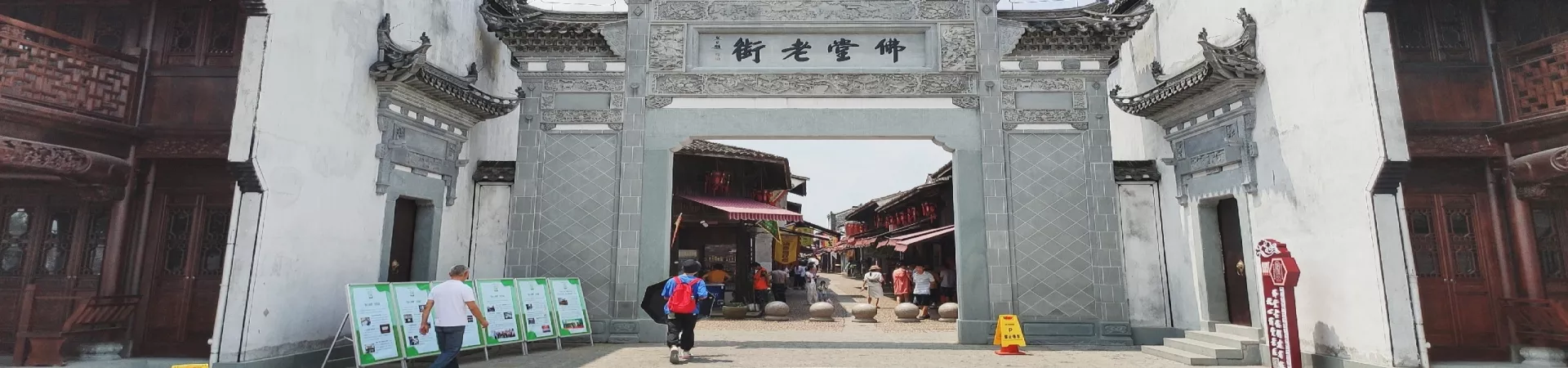
Fotang Ancient Town: A Quiet Echo of Waterborne Prosperity
Nestled in the southwest of Yiwu City in Zhejiang Province, Fotang Ancient Town stands as a serene, somewhat melancholic monument to a bygone era of bustling commerce. For centuries, particularly during the Ming and Qing dynasties, its fate was intertwined with the waterways. Countless vessels traversed the local rivers, and Fotang's floating bridge wharf emerged as the most vital port of call. This constant flow of goods and people transformed the town into a prosperous hub, its wealth and cultural sophistication etched into the very fabric of its architecture. While the clamor of trade has long since faded into silence, the town today offers a uniquely authentic and unadorned glimpse into China's historical tapestry, a place where time seems to have gently slowed.
• The Legacy Carved in Wood and Stone
The most tangible remnants of Fotang's glorious past are not found in grand museums but in the quiet lanes and weathered residences themselves. As you wander, lift your gaze to the eaves and windows. Here, you will discover a stunning open-air gallery of traditional craftsmanship. Exquisite niutui (corbel brackets), intricately carved window lattices, delicate brick reliefs, and expressive stone sculptures adorn the old buildings. These elements, often depicting scenes from folklore, symbols of good fortune, or intricate floral patterns, speak volumes about the aesthetic tastes and economic means of the merchants and families who once thrived here. Each carving is a silent story, a testament to the town's historical significance far beyond its current quietude.
• An Uncommercialized Authentic Experience
Unlike many ancient towns in China that have been transformed into bustling tourist markets, Fotang is notably subdued and genuine. It remains, as of now, largely in a state of ongoing, careful development and is freely open to the public, charging no admission fee. This policy has helped preserve its essential character. You will find an absence of overwhelming commercial hustle; there are no endless rows of identical souvenir shops or loud vendors. Instead, the atmosphere is one of undisturbed daily life.
• The Rhythm of Local Life in Deep Alleys
The true soul of Fotang resides in its narrow, winding alleys. Venturing deeper into this labyrinth, you become an observer of a rhythm that has persisted for generations. Locals go about their daily routines—elderly residents chat on doorsteps, the scent of home-cooked meals wafts through the air, and children play in the shadows of ancient walls. This glimpse into the unfiltered,朴实 (pǔshí, simple and honest) life of the townspeople is a rare and precious aspect of visiting Fotang. It presents a stark and beautiful contrast to the polished performances of more commercialized destinations, offering a profound sense of place and continuity.
• Practical Information for Your Visit
Getting There: The most straightforward way to reach Fotang Ancient Town from central Yiwu is by public bus. You can take bus routes Yiwu 318, K318, or the 530 inner ring line. Your alighting point is the Xinshiji (South) bus stop. From there, the ancient town area is within easy walking distance. Taxis or ride-hailing services from Yiwu city center are also readily available and offer a convenient alternative.
Admission Fees: There is no entrance fee to explore Fotang Ancient Town. Access to the historic streets, alleys, and public areas is completely free, making it an exceptionally accessible destination.
Opening Hours: The town is open to visitors 24 hours a day, every day of the year. This round-the-clock access allows for flexibility in planning. Different times of day offer distinct atmospheres—soft morning light illuminating the carvings, the quiet warmth of the afternoon, or the serene ambiance of the town under evening lights.