Shandong University
A Visitor's Guide to Shandong University in Jinan
Introduction: A Storied Institution in the Heart of Jinan
Nestled within the historic city of Jinan, the capital of Shandong Province, Shandong University (SDU) stands as a premier comprehensive university in China with a profound historical legacy. More than just an academic institution, its sprawling campuses offer visitors a unique glimpse into China's modern educational evolution, set against a backdrop of both traditional and modern architectural landscapes. For the culturally curious traveler, a visit to SDU provides a serene and intellectual counterpoint to the city's famed springs and historical sites.
A Journey Through History: From Imperial College to Modern University
The Founding Era Shandong University's origins trace back to a pivotal moment in Chinese history. It was founded in 1901 as the Government-run Shandong College (Shandong Daxuetang) during the late Qing Dynasty, amidst a national movement to modernize education. This establishment makes it one of the earliest modern universities in China, reflecting the profound shifts of the era.
A Century of Transformation The university's history mirrors the tumultuous and transformative journey of China itself throughout the 20th century. It has navigated the transition from the Qing Dynasty through the Republic of China era and into the modern People's Republic of China. Throughout this period, SDU has undergone numerous changes, including several name alterations, periods of suspension, reconstruction, mergers with other institutions, and even relocation. Its evolution is a testament to resilience and adaptation.
A Legacy of Educational Contribution A significant aspect of SDU's history is its role as a "mother university." Over the decades, it has absorbed various specialized colleges and, conversely, has facilitated the establishment of over a dozen independent institutions of higher learning. This dynamic history has shaped it into the comprehensive, multidisciplinary powerhouse it is today, directly under the administration of China's Ministry of Education.
Planning Your Visit: Practical Information
Location & Transportation The university has multiple campuses in Jinan. The central and historic campus is conveniently located within the city. The most straightforward way to reach it is by public bus.
- By Bus: Alight at the Shanda Nanlu (Shandong University South Road) station. Key bus routes serving this stop include: 1, 16, 48, 112, and K55. Jinan's bus system is efficient and offers a great way to see the city en route.
Visiting Hours & Access The university campuses are generally open to the public.
- Opening Hours: The outdoor areas of the campuses are accessible 24 hours a day, every day of the week. This allows for flexible visit planning.
- Note: While the grounds are open, access to specific academic buildings, libraries, and laboratories may be restricted to students and staff, especially during teaching hours. Visitors are encouraged to explore the public spaces, gardens, and historical buildings respectfully.
Admission Fees There is no admission fee required to enter and walk around the main campuses of Shandong University. It is a public institution, and its grounds are open for all to enjoy. For any specific inquiries regarding guided tours or special facility access, it is recommended to contact the university's administrative offices directly.
Experiencing the Campus: What to See and Feel
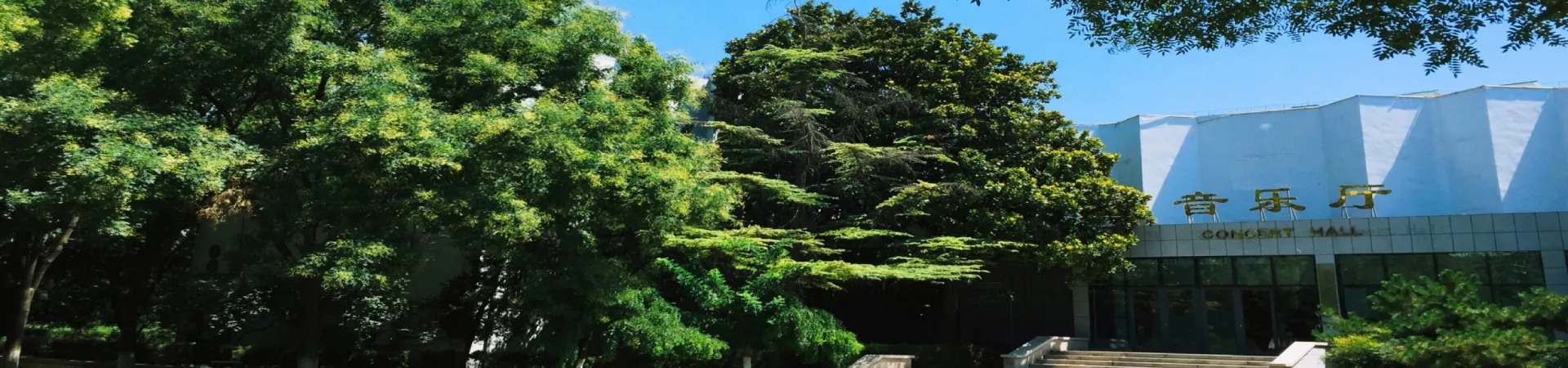
Architectural Harmony A stroll through the older campuses, particularly the one near Da Ming Lake, reveals a blend of architectural styles. You can find solemn, early 20th-century buildings that speak to its founding era alongside grand, Soviet-influenced structures from the mid-century, and sleek, modern facilities representing its current growth. This architectural timeline is a visual history lesson.
Atmosphere and Ambiance Visiting during term time allows you to absorb the vibrant energy of student life. The atmosphere is one of quiet concentration, with students studying under ancient trees, engaging in discussions on lawns, or cycling along shaded avenues. The campuses, especially the one centered around the iconic Eight-Road Campus (Bazhongxue) area, are known for their greenery and peaceful environment, offering a welcome respite from the urban bustle.
Cultural Context As you explore, consider the university not just as a collection of buildings but as a living entity that has educated generations of thinkers, scientists, and leaders. It has witnessed and contributed to the immense changes in Chinese society. Its location in Jinan—a city known for its Confucian heritage (being near Qufu, Confucius's birthplace) and its gentle natural beauty—adds another layer of cultural depth to the visit. The university embodies a fusion of deep-rooted scholarly tradition and forward-looking innovation.