Shandong Museum
A Comprehensive Guide to the Shandong Museum: A Journey Through Time in Jinan
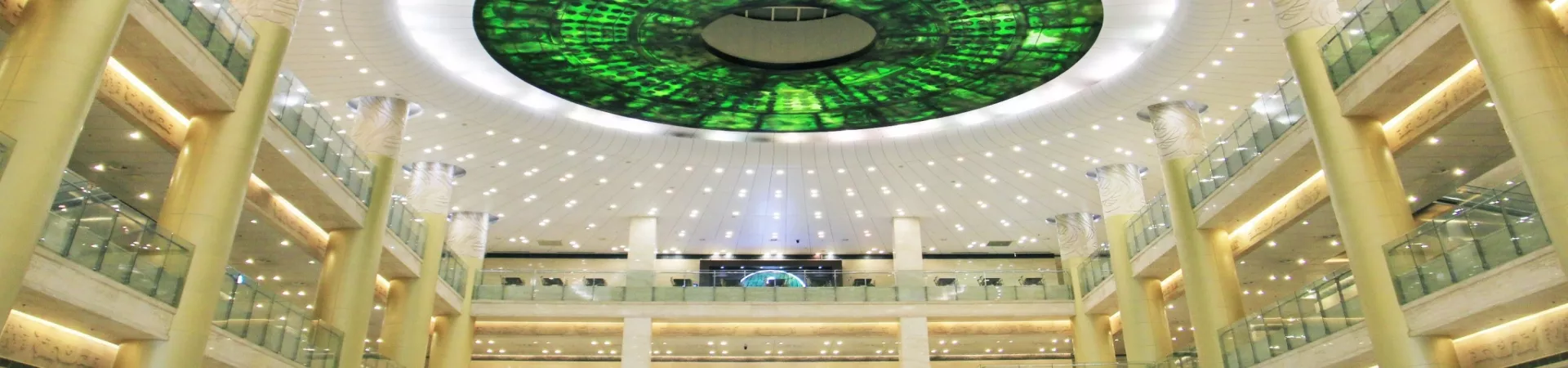
Nestled in the eastern part of Jinan, the capital city of Shandong Province, the Shandong Museum stands as a monumental custodian of history and culture. As one of the earliest established provincial-level comprehensive museums in China, it offers visitors an unparalleled journey through millennia. Spanning approximately 34,000 square meters with a built-up area of around 21,000 square meters, its grand and elegant architecture harmoniously blends traditional Chinese elements with modern artistic design, making it a significant landmark in this historic city.
1. Collections and Treasures: A Glimpse into Ancient Civilizations The museum's vast holdings, exceeding 140,000 cultural relics and nearly 10,000 natural specimens, provide a deep and multifaceted narrative of Shandong's pivotal role in Chinese history, from ancient times to the modern era.
1.1. Diverse Exhibits Across Eras The collection is remarkably comprehensive, featuring ancient ceramics, intricate bronze vessels, precious calligraphy and painting masterpieces, ancient books, oracle bones, and Han Dynasty stone reliefs. These artifacts collectively chart the region's technological, artistic, and philosophical evolution.
1.2. The Crown Jewels: Unmissable Masterpieces Among the immense collection, several items are designated as national treasures, drawing scholars and enthusiasts from around the world. Key highlights include:
- The Red Pottery Zoomorphic Vessel from the Dawenkou Site: A Neolithic artifact showcasing early artistic expression and ritual practices.
- Oracle Bones from the Shang Dynasty: Inscribed with some of the earliest forms of Chinese writing, these bones are crucial for understanding ancient divination and language.
- The Large Jade Bi Disc of the State of Lu from the Warring States Period: A symbol of authority and high ritual status, exemplifying exquisite ancient jade craftsmanship.
- Bamboo Slips of "The Art of War" and "Sun Bin's Art of War": These texts are invaluable military treatises that have influenced strategic thought for centuries.
- Murals from the Dongping Han Dynasty Tombs: Vibrant and detailed, these paintings offer a rare, vivid window into the daily life, mythology, and cosmology of the Han era. Please note: Due to their extreme fragility and value, some of these treasure-level items are not on permanent display and are exhibited only during special exhibitions or on a rotating basis to ensure their preservation.
2. Planning Your Visit: Practical Information A smooth visit enhances the experience of exploring the museum's wonders.
2.1. Admission and Opening Hours The museum operates on a free admission policy. However, visitors must obtain an entry ticket by presenting a valid ID document (passport, Chinese ID card, etc.) at the ticket counter. Tickets are valid only for the day of issue.
- Opening Hours: 09:00 - 16:00 (Last entry at 16:00), Tuesday to Sunday.
- Closed: Every Monday (unless it falls on a national holiday), and the first day of the Chinese New Year.
2.2. Getting There: Transportation Options The museum is conveniently accessible by public bus. Key routes that stop at the "Shandong Bowuguan" (Provincial Museum) station include:
- Bus Numbers: 326, BRT5, K115, K119.
- From the bus stop, the museum is within short walking distance.
3. Facilities and Amenities: Enhancing Visitor Comfort The museum is well-equipped to ensure a comfortable and engaging visit for all.
3.1. On-Site Services for Convenience To cater to visitors' needs, several amenities are available throughout the premises:
- Rest Areas: Ample seating is provided in and around exhibition halls, offering spots to rest and reflect.
- Drinking Water: Water dispensers providing hot and cold water are available on each floor.
- Dining Options: A café located on the first floor offers light meals, snacks, and beverages, perfect for a quick break.
- Souvenir Shopping: Also on the first floor, the museum shop sells a variety of replicas, books, and cultural souvenirs, allowing you to take a piece of history home.
3.2. Suggested Duration and Tips To thoroughly appreciate the main exhibitions, a visit of 1 to 3 hours is recommended. For a more in-depth study, allocating half a day would be ideal. It is advisable to check the museum's official website or contact them prior to your visit for information on any special temporary exhibitions or changes in the display of key artifacts.
4. Thematic Galleries and Layout The museum's exhibitions are thoughtfully curated, often organized into thematic sections that may include Ancient Shandong, Buddhist Art, Archaeological Discoveries, Ming and Qing Dynasty Furniture, and Natural History of Shandong. While the specific layout of permanent galleries may be updated, visitors can typically expect a chronological or thematic flow that guides them from the prehistoric periods through to the Qing Dynasty, with the natural history section showcasing the province's geological and biological diversity. The grandeur of the building itself, with its spacious halls and thoughtful design, complements the viewing experience, making exploration both educational and aesthetically pleasing.