Hongjialou Cathedral
A Visitor's Guide to Hongjialou Cathedral, Jinan
Subtitle: History, Architecture, and Practical Information for Your Visit
Nestled in the bustling university district of Jinan, Shandong Province, stands the Hongjialou Cathedral, a monumental testament to faith and architectural fusion. More than just a place of worship, it is a pivotal piece of cultural history, a stunning visual landmark, and a haven of tranquility amidst urban life. Officially known as the Cathedral of the Sacred Heart of Jesus, it is not only the largest Catholic church in Jinan and the broader East China region but also ranks as one of the three most renowned Catholic cathedrals in all of China.
1. Historical Context and Significance The cathedral's story begins at the turn of the 20th century. Its construction was initiated in 1901 under the direction of a German Franciscan friar, with the project largely financed by the local Catholic community and completed in 1905. This period coincided with significant foreign influence in the region, and the cathedral's very existence reflects the complex interplay of cultural exchange during that era. Despite the tumultuous events of the 20th century, including damage sustained during the Cultural Revolution, the church has been meticulously restored, standing today as a resilient symbol of continuity and spiritual heritage. Its recognition as a Major Historical and Cultural Site Protected at the National Level underscores its immense value to China's architectural and historical tapestry.
2. Architectural Grandeur: A Gothic Masterpiece in China The immediate and overwhelming impression of Hongjialou Cathedral is one of awe-inspiring verticality and intricate detail, embodying the classic Gothic Revival style.
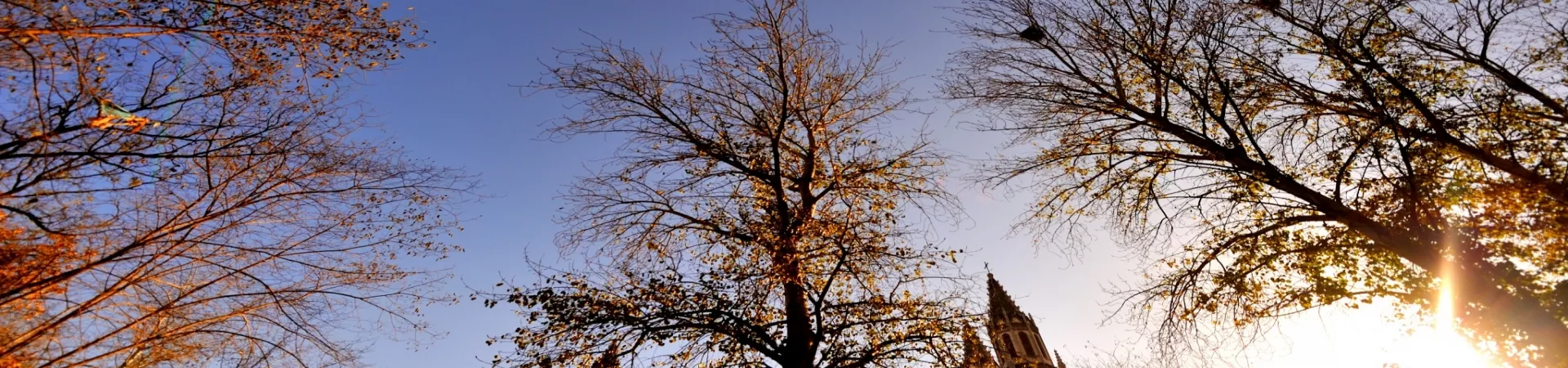
2.1. The Twin Towers and Facade The most iconic feature is its pair of towering spires, rising approximately 60 meters into the sky. These twin bell towers, flanking the main entrance, create a dramatic and symmetrical silhouette that can be seen from various points in the city. The facade is a richly decorated canvas of carved stone, featuring a large rose window, pointed arch portals, and numerous statues of saints and biblical figures, all characteristic of the Gothic desire to inspire reverence and direct the eyes heavenward.
2.2. Interior Space and Atmosphere Passing through the main doors reveals an interior that is vast, solemn, and unexpectedly luminous. The spacious nave, capable of holding over a thousand worshippers, is defined by its high vaulted ceilings supported by slender columns. This sense of immense space is deliberately designed to evoke humility and grandeur. 2.2.1. The Play of Light The true magic of the interior is orchestrated by light. Large, arched stained-glass windows line both sides of the nave. In the afternoon, sunlight filters through these vibrant windows, casting a kaleidoscope of colored light onto the stone floors and wooden pews. This interaction of light and shadow, combined with the silent, respectful atmosphere, creates a profoundly moving experience often described as spiritually uplifting or purifying, regardless of one's personal beliefs.
2.3. Comparative Stature While the port city of Qingdao to the east is famous for its European-style churches, Hongjialou Cathedral holds its own with absolute distinction. Its scale, architectural integrity, and imposing presence are in no way diminished by comparison. It represents the pinnacle of Gothic religious architecture adapted to Chinese soil.
3. Practical Information for Planning Your Visit
3.1. Location and Access The cathedral is situated at No. 1 Hongjialou West Road, in the Licheng District of Jinan. The area is also a major hub for higher education, neighboring Shandong University. * By Public Bus: This is the most convenient method. Take bus routes 11, 30 (interval service), B165, B48, or B98 and alight at the "Huayuan Road Hongjialou West Road" station. The cathedral is a short and easy walk from the bus stop. * By Taxi/Ride-hailing: Simply showing the driver "洪家楼天主教堂" (Hongjialou Catholic Church) is sufficient.
3.2. Admission and Opening Hours * Admission: Entrance to the cathedral is free of charge. * Opening Hours: The church is generally open to visitors daily from 09:00 to 16:00. It is advisable to avoid visiting during formal worship services (usually held on Sunday mornings) to maintain the sanctity of the service and to explore the interior freely.
3.3. Suggested Duration and Tips * Time Required: Allocate between 1 to 3 hours for a thorough visit. This allows time to admire the exterior from all angles, explore the interior at a leisurely pace, absorb the atmosphere, and take photographs. * Visitor Etiquette: As an active place of worship, visitors are expected to dress modestly and behave respectfully. Keep voices low, silence mobile phones, and avoid using flash photography if taking pictures inside. Always observe any posted guidelines or instructions from staff. * Best Time to Visit: Weekdays are typically less crowded than weekends. The aforementioned afternoon light, particularly on a sunny day, provides the most spectacular interior visual experience.
Please note: All practical information (hours, bus routes, etc.) is subject to change. It is always recommended to verify details with official local sources before your final visit.