Five Dragon Pool
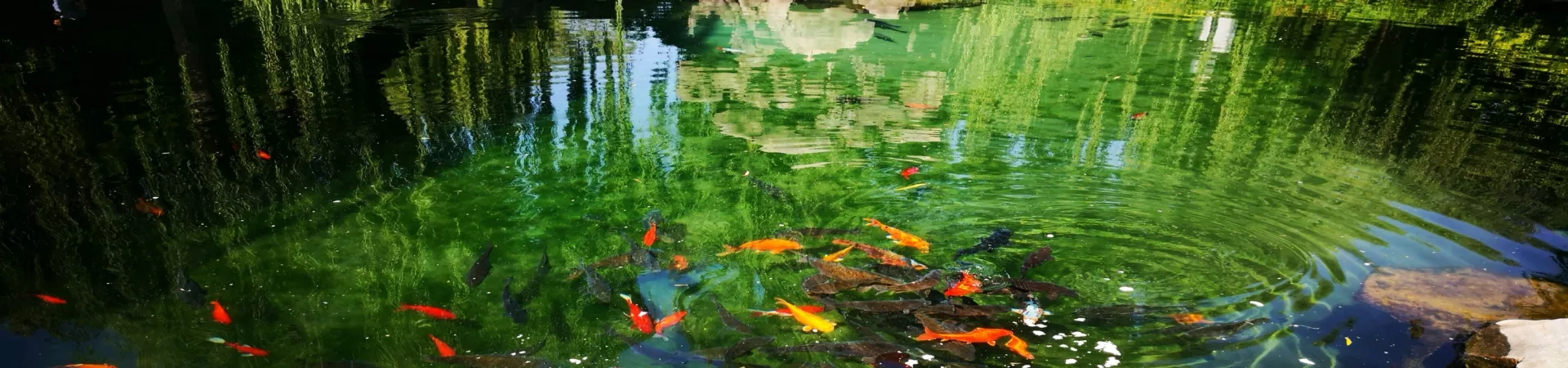
Subtitle: A Serene Oasis of Springs and History in Jinan's Old City
Introduction Nestled just outside the western gate of Jinan's historic old city, Wulongtan Park (Five Dragons Spring Park) offers a tranquil and historically rich escape in the heart of Shandong's capital. This exquisite urban park forms a critical part of Jinan's famed "Spring City" identity, situated strategically between two of its most iconic landmarks: the roaring Baotu Spring to the south and the vast expanse of Daming Lake to the north. More than just a single spring, the park is the epicenter of the Wulongtan Spring Group, a collective of numerous artesian springs that feed a network of clear pools, winding streams, and quiet ponds. The park masterfully blends natural hydrographic beauty with profound cultural heritage, creating a landscape where legend, history, and serene scenery flow seamlessly together.
Section 1: The Heart of the Park - Legends and Liquid Landscapes 1.1 The Central Legend: From Mansion to Deep Pool The park's namesake and central feature is the Wulongtan itself, a deep, emerald-green pool shrouded in local folklore. The most enduring legend states that this site was once the location of the mansion belonging to Qin Qiong, a revered general and heroic figure from the Sui and Tang dynasties, often celebrated in Chinese literature and opera. As the story goes, a cataclysmic storm caused the grand estate to collapse and sink into the earth, giving birth to the deep, mysterious spring we see today. This tale imbues the site with a sense of historical drama, inviting visitors to ponder the layers of history beneath the calm water's surface.
1.2 A Hydrographic Tapestry: The Wulongtan Spring Group The significance of Wulongtan extends far beyond its central pool. The park is the hub for a remarkable concentration of springs, collectively known as the Wulongtan Spring Group. Approximately 27 distinct spring-fed pools and ponds are ingeniously interconnected within the park's design, linked by murmuring streams and gentle rivulets. This creates a dynamic and ever-moving waterscape where the sound of trickling water provides a constant, soothing soundtrack. Key springs within the group, each with its own character and name, contribute to a complex aquatic ecosystem that is both visually captivating and ecologically vital for the city's groundwater system.
Section 2: Artistic Design and Architectural Harmony 2.1 A Synthesis of Garden Styles The park's design is a celebrated example of harmonizing northern and southern Chinese garden architecture traditions. It incorporates the bold, open vistas and robust structures often found in northern imperial gardens with the intricate, delicate details, water features, and poetic intimacy characteristic of southern private gardens. This synthesis creates a space that feels both grand in scope and invitingly personal.
2.2 Core Landscape Elements The design philosophy revolves around the skillful manipulation of water and stone. The landscape is articulated through several key elements: * Tan (Deep Pools): The Wulongtan is the prime example—a large, profound body of water that acts as the anchor. * Chi (Ponds): Smaller, calmer pools scattered throughout, often shaded by willow trees and hosting koi fish. * Xi (Streams): Narrow, winding waterways that connect the various pools, adding movement and sound. * Gang (Small Waterways/Inlets): These provide structural definition to the watercourses and create picturesque bridges and crossings.
This careful arrangement ensures that every path and turn offers a new, thoughtfully composed view, embodying the traditional Chinese garden principle of "scenery within scenery."
Section 3: Traversing History - Cultural and Historical Sites Wulongtan Park is a living chronicle of Jinan's past, preserving sites that span from ancient legend to modern revolutionary history.
3.1 The Site of Qin Qiong's Former Residence Marked within the park, this site commemorates the legendary connection to the Tang Dynasty hero. While no above-ground structure remains, the designated area serves as a tangible link to the folk tale of the spring's origin, allowing visitors to stand where history and myth intersect.
3.2 The Former Site of the Shandong Provincial CPC Leadership Organ Adding a layer of significant modern history, the park preserves buildings that once served as the clandestine headquarters for the Chinese Communist Party's Shandong provincial leadership during a critical period of revolutionary activity. This site offers a sobering contrast to the ancient legends and classical gardens, reminding visitors of the region's complex journey through the 20th century.
3.3 Mingshi Ge (Celebrated Scholars Pavilion) and Other Structures The Mingshi Ge is a prominent traditional pavilion that often serves as a focal point for views across the water. Along with other elegant structures like covered walkways, moon gates, and stone bridges, these architectural features are not merely decorative. They provide restful vantage points, frame the natural beauty, and are often inscribed with couplets and poetry that reflect on the surrounding landscape, deepening the cultural experience.
Section 4: Essential Visitor Information 4.1 Location and Transportation The park is located at No. 18, Kuanhouli Street, outside the west gate of Jinan's old city. The most convenient access is by public bus. Visitors can take routes such as K1, K5, K59, or K104 and alight at the "Baotu Spring North Gate" bus stop. The park entrance is within a short and pleasant walking distance from this stop.
4.2 Admission and Operating Hours One of the park's greatest attractions is its free admission, making this cultural and natural gem accessible to all. The park is open daily from 7:00 AM to 10:00 PM throughout the year. A typical visit to appreciate the scenery and key historical sites can take between 1 to 3 hours, though one could easily spend longer enjoying its peaceful ambiance.
4.3 Contact Information For inquiries, visitors can contact the park management at 0531-86921741 or 0531-86924835.
Please note: The information provided above is for reference purposes. Details such as opening hours or specific access points are subject to change. It is always advisable to check for any updates from the park administration prior to your visit.